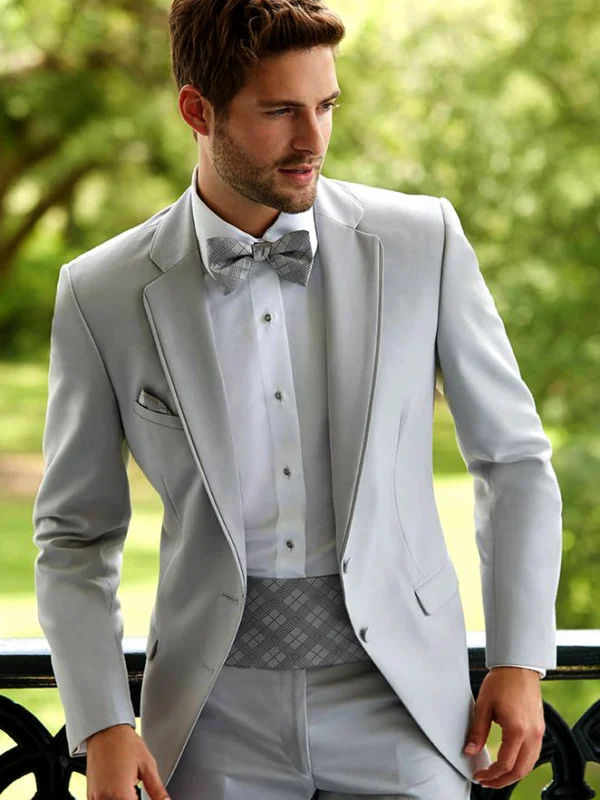
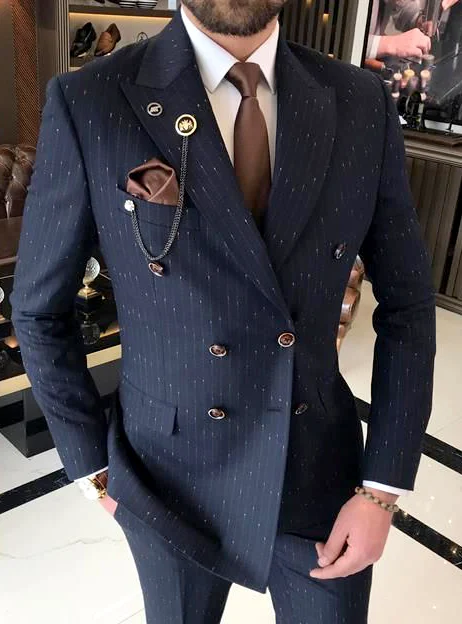
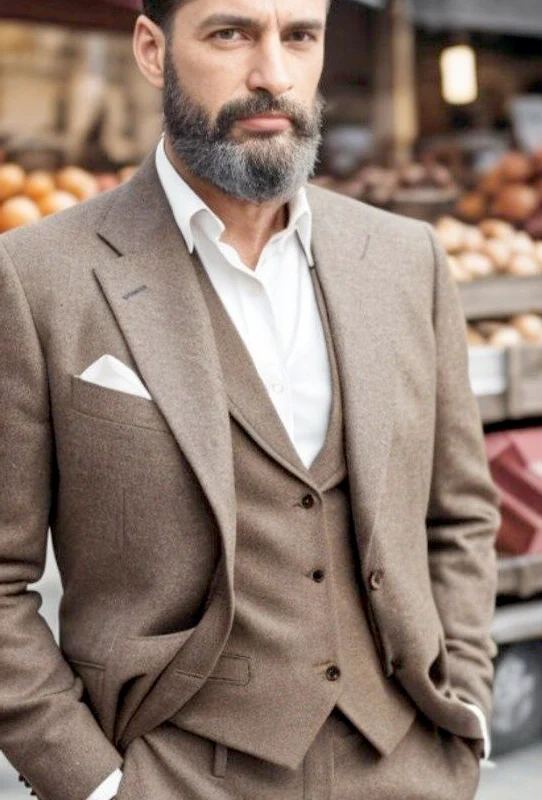
A summer suit should work with your actual plan: a longer journey, an outdoor invitation or time across several indoor spaces introduces different outfit questions. Do not begin by assuming a pale shade already establishes a particular wearing experience. Four references offer specific design choices: a closer pale combination, beige above dark trousers, a navy jacket with pale trousers and a brown three-piece suit. The two contrasting looks deliberately combine different colour areas rather than establishing identical matching sets. Compare their tasks for your own summer appointment and complete actual product information for each model separately.
1. Connect the summer suit with your actual summer plan
Write down what you are really doing first. Is the main part outdoors, do arrival and dining change location, or will the jacket stay worn for a longer period? Any stated clothing brief belongs to the choice. A summery-looking photographic backdrop does not replace it. For a freer meeting you might plan a pale base with an open shirt; elsewhere a tie or waistcoat may be wanted. Choose the real setting before asking one suit to fulfil every possible idea about summer at once.
Select a main outfit state. Should it work principally with the jacket or feel complete without it too? Switching between both need not require a second suit, but it does need a deliberately selected shirt area. Record which pieces stay and which are removed during the intended sequence. The wedding guest suit guide adds invitation and role where that is your occasion. The additional question here concerns how the chosen summer surfaces work together through those actual changes rather than how many loosely seasonal details can be collected.
2. Choose a pale base or contrast as the starting point
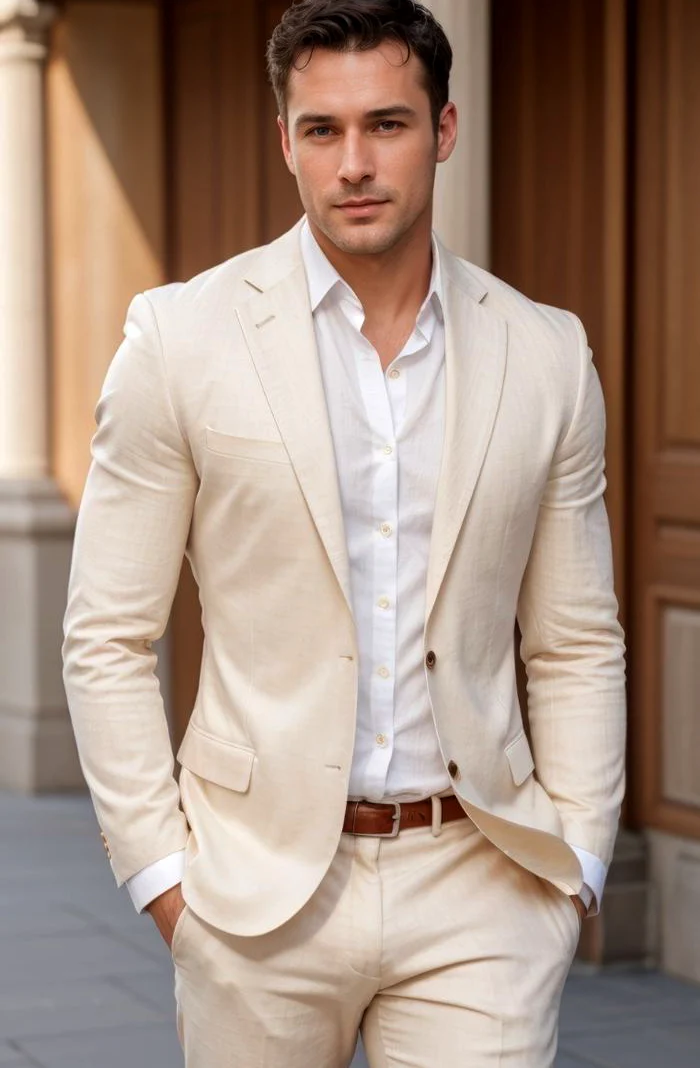
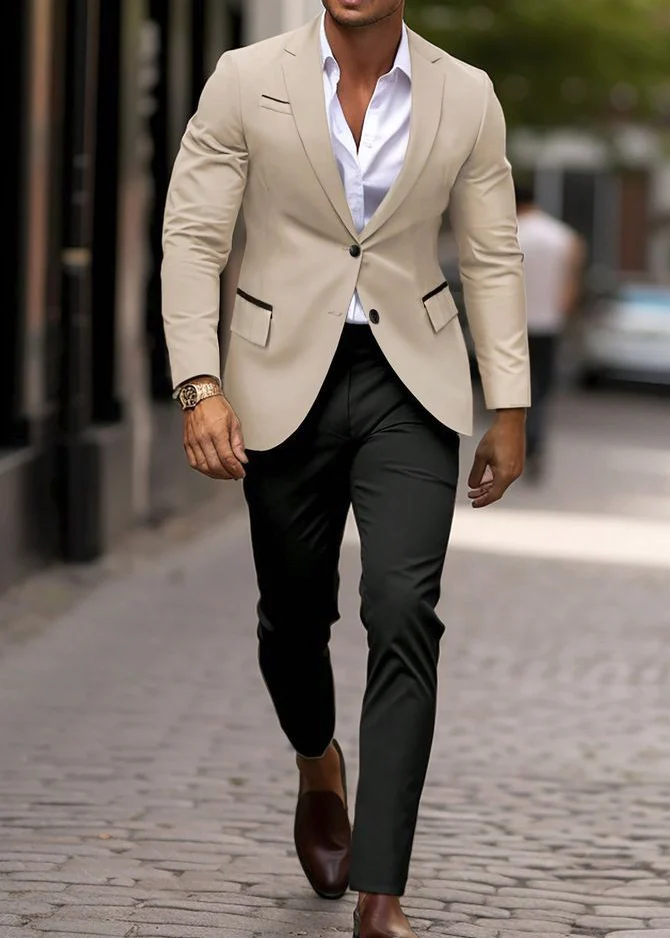
The cream close view shows similar pale jacket and upper trouser areas beside a white shirt. A brown belt supplies a smaller darker point between them. The beige look instead places distinctly dark trousers beneath the pale jacket. These are different colour distributions. Perhaps the more continuous pale direction appeals; perhaps the waist transition should remain particularly visible. Choose the relationship rather than only a jacket’s individual shade. The word summer does not already settle that difference, making the amount of each actual area worth assessing together.
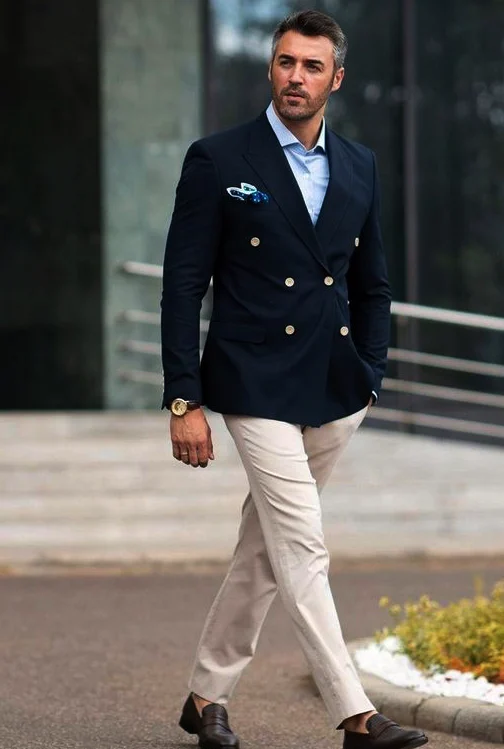
The navy double-breasted jacket over pale trousers reverses the distribution: darker above, lighter below. A pale blue shirt and small multicoloured chest accent accompany it. Compare this direction with existing pieces without needing to buy them as one matching set. Keep the shirt consistent initially when switching between closer lower colour and clear trouser contrast. The cream crop lacks a complete trouser finish. Complete it on the actual candidate instead of borrowing footwear or length from another reference, keeping each picture useful for the information it genuinely supplies.
3. Assess an open neck and tie-and-waistcoat combination separately
The pale references show open-collared white shirts; the navy jacket has a pale blue open-collared shirt. The brown three-piece instead places a dotted tie before white. Choose the middle that fits your setting and intended distribution. A summer suit need not express its seasonal direction solely through a wide opening. You can select a smaller open transition, a tie-and-waistcoat combination or another deliberate shirt arrangement. Compare how much pale area should remain between face and jacket on the real outfit rather than making one photographed opening decide every related preference.
When the jacket is removed, that inner area becomes a larger visible component. Inspect the shirt alone with the actual trousers and planned belt accordingly. In the cream example the brown middle remains an accent of its own; beige above dark trousers creates another boundary. Choose that relationship first. Bag and square can add what you actually want emphasised afterwards. A new accessory need not repeat every shade found somewhere in the whole photograph, keeping its individual contribution clear beside a shirt surface you have already deliberately selected.
4. Choose the waistcoat for a particular outfit phase
The brown three-piece has a waistcoat, white shirt, darker dotted tie and further small chest details. Its larger central layer is a clear difference from the open-collared shirt looks. If wanting such a waistcoat for your appointment, give it a task. Does its shape without the jacket particularly appeal, or should it principally limit the shirt area within the full combination? Choose it through that visible contribution. A brown photograph establishes neither a specific warm fibre nor a temperature result suitable for you, leaving the actual arrangement to be assessed on real pieces.
Try the intended jacket-free state rather than only imagining it. Should the tie stay then or does the neckline change too? Decide beforehand and keep the other state available for comparison. A waistcoat need not serve as an assumed smaller replacement for every jacket. Perhaps a simpler shirt-and-trouser version appeals with the jacket retained for arrival. Perhaps the extra central frame is precisely what you enjoy. Both choices need your real components rather than deriving suitability automatically from a count of layers or one attractive completed photograph.
5. Separate actual cloth information from the summer image
If seeking a particular composition, check the model’s product information. A pale suit can supply a similar colour idea to another product without having the same composition or layers. Compare the actual candidates worn and have included components, underlying areas and layers explained. Name the preference: a particular fall, less pronounced upper shape or another visible shirt area. Those questions connect appearance with the product without promising general properties through colour, helping distinguish why one real candidate fulfils the intended task rather than treating all summer-labelled options as interchangeable.
If linen is expressly wanted, our linen suit guide adds composition and actual garment questions. The summer plan remains the starting point here; none of these references is identified as linen through appearance alone. Choose which pieces you would want to wear separately afterwards too. Pale trousers might have another wardrobe role from a complete brown three-piece. Establish whether you seek one matching set or want existing items combined specifically for this appointment, connecting actual use with the pieces included with the model before selecting it.
6. Confirm the finished summer suit with chosen clothing and accessories
Add the planned bag and your intended way of removing or carrying a jacket during the journey. Consider which hand should remain free and whether the shirt without the jacket appears as selected. This is a specific sequence decision rather than a quality a photographic pose can guarantee. Inspect the whole combination standing normally afterwards. The walking references show a single step; your trouser line and preferred ankle area need both legs in a relaxed standing position too, particularly when separate upper and lower pieces are being assessed together.
Read the actual pieces’ care labels separately. The GINETEX care-symbol explanation supports interpretation without assigning treatment to a pale or dark photographed area. Save two confirmed states if switching between them: jacket worn on arrival and a shirt-and-trouser arrangement later, for example. A summer suit is then selected through real surfaces and your plan. When a companion changes, compare its contribution with that specific base instead of searching for another general summer image each time, keeping the useful earlier relationship available for a deliberate next decision.
Choose a summer suit through your actual sequence. Select pale or contrasting areas and assess which shirt or waistcoat middle should remain without the jacket.
Frequently asked questions
Which product details should I check when choosing a summer suit?
Check composition, included pieces, inner layers and care information on the actual garment. Assess the candidate worn as well.
Can I combine a light jacket with dark trousers for summer?
The beige reference shows that colour combination. Compare the real pieces with the same shirt and check the actual clothing expectations for your event.
Must the summer suit shirt stay open?
No. Compare neckline with your actual clothing brief. A tie-and-waistcoat combination or smaller opening can be selected deliberately.
Why assess a waistcoat without the jacket?
It shows which upper shape and shirt area actually remain during an intended change. Select the waistcoat for that specific task.