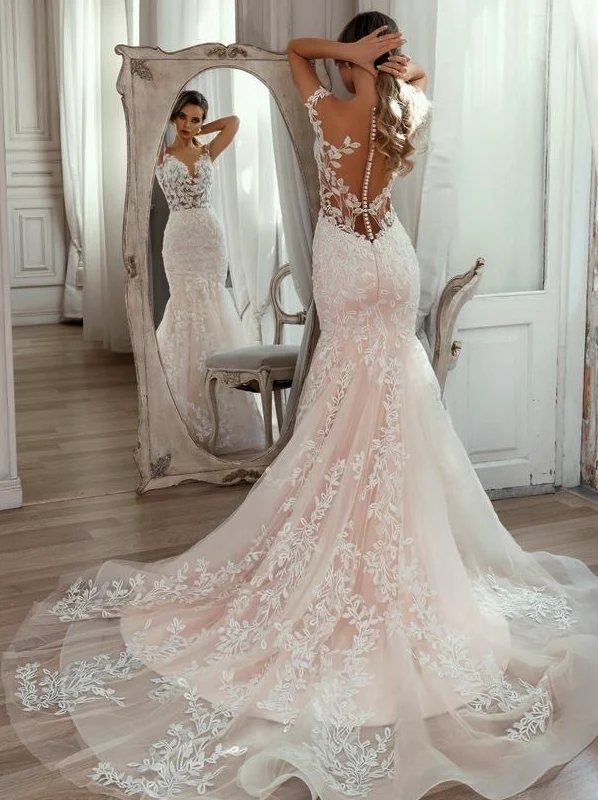
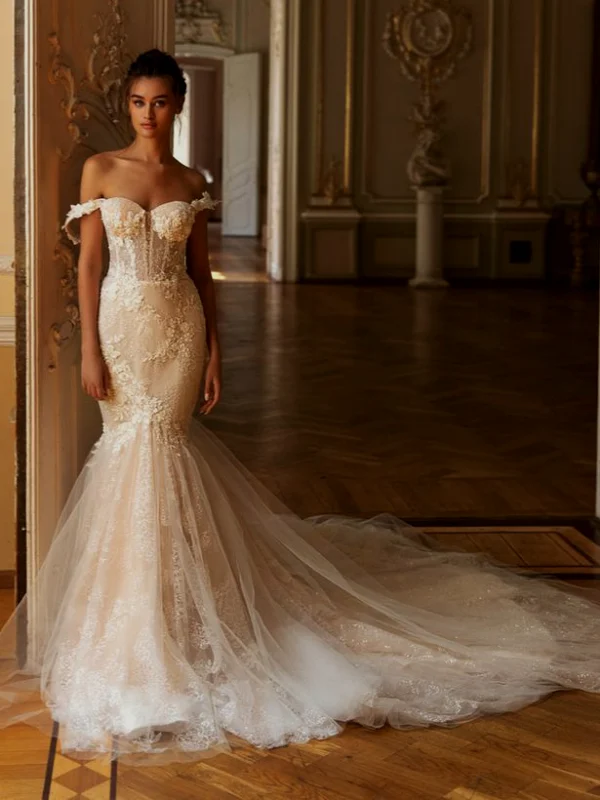
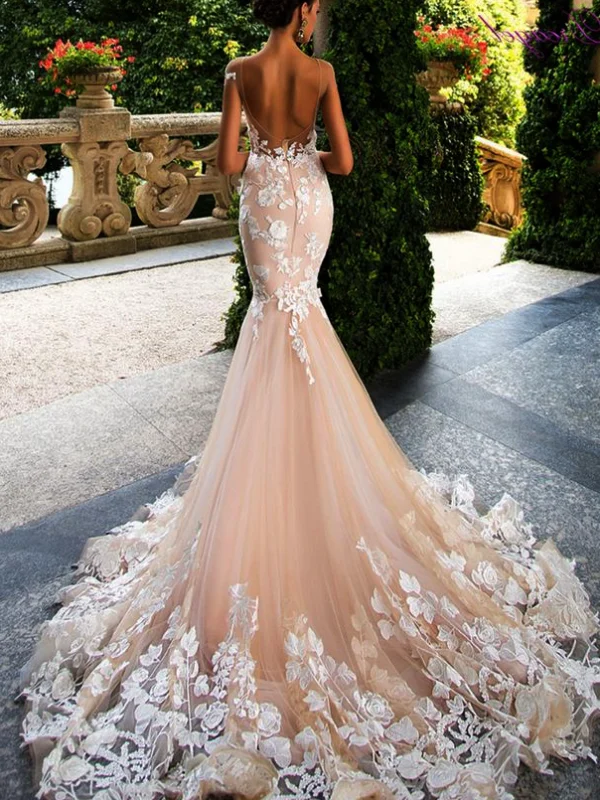
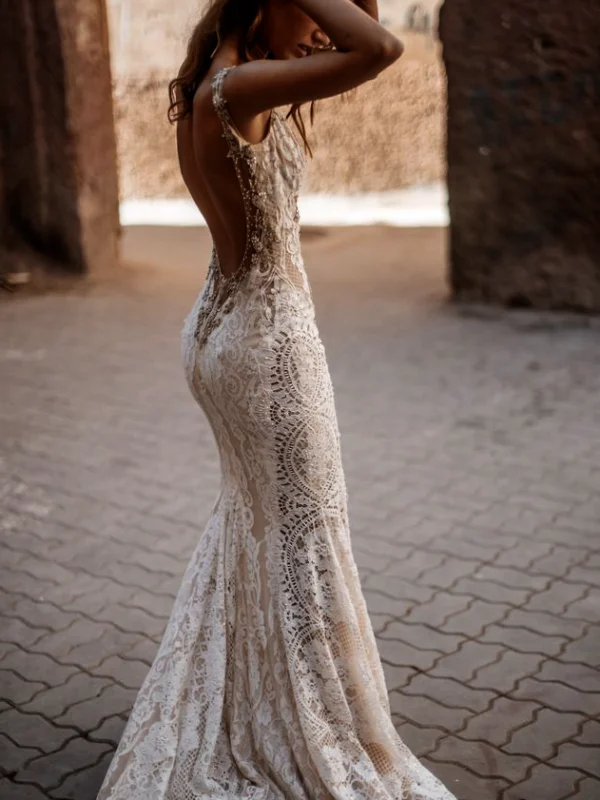
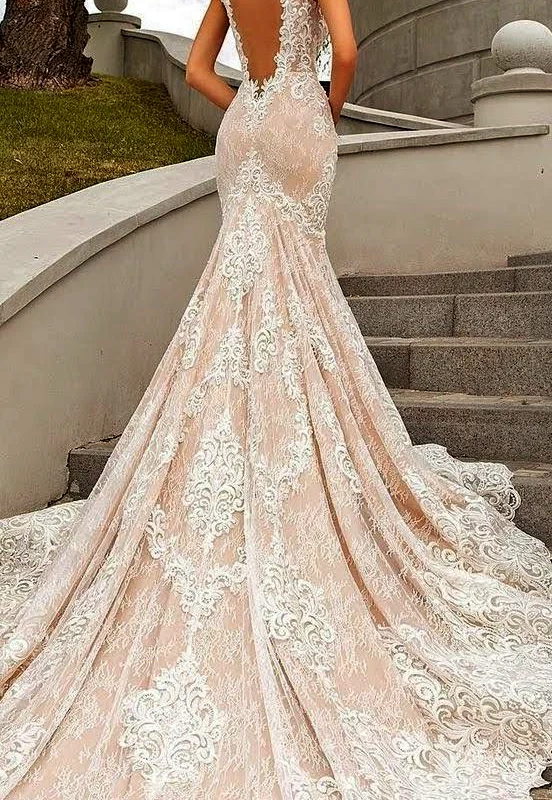
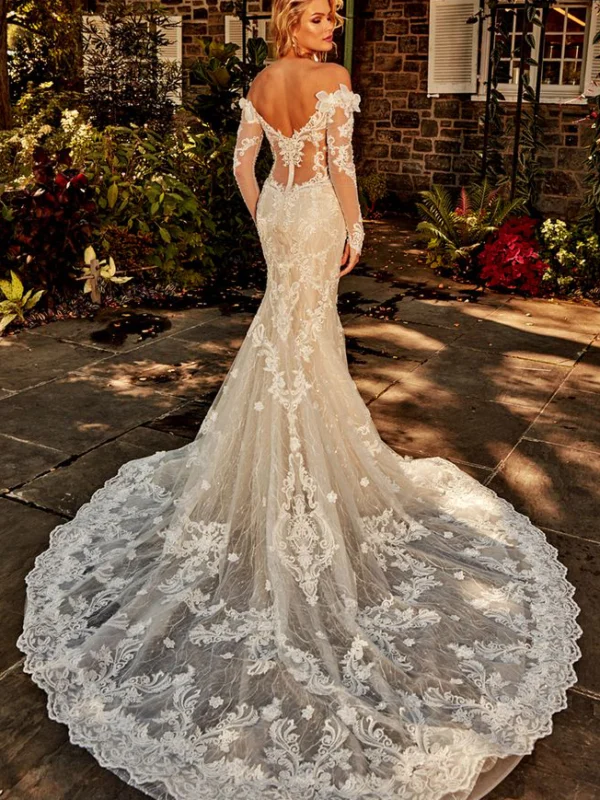
Rounded backs compared reveal more than differences in depth. The view with fine shoulder lines joins a softer lower curve to larger floral shapes. Shorter shoulder sections frame a longer rounded middle beside curling patterns. In the side photograph, a raised arm changes the stance. Look at the edge and its lower direction first rather than adopting the complete pose. These details help describe the shape you want more precisely.
Guide to comparing these images
Separate the outer curve from additional lines
Long patterned sleeves instead accompany an angular, V-like opening. That reference is a deliberate alternative to the rounded shape. Perhaps you mainly enjoy an exposed back; perhaps the soft curve itself matters most. A complete front view adds another upper idea but leaves its own back unseen. It cannot be attached to a different rear photograph without further information.
Choose two real candidates with comparable width, then assess depth and motif border. Request matching front and side views. Keep hair clear and arms resting normally for the first trial; add the intended hairstyle afterwards. You can then explain which rounded line you want visible and which areas may deliberately be covered. Take that preference into the next appointment as a short specific request.
Place the mirror-side back photograph with its central vertical row beside the fine-shoulder-line view first. Leaf shapes and small rounded details divide the skin-visible area in the former. The open middle stays quieter in the latter, with larger flowers along its lower border. Choose whether you want that additional central detail. Its visible row does not establish how the actual fastening is operated.
For side coverage, the short patterned shoulder sections add a broader connection than the finer lines elsewhere. The turned side pose is more limited evidence of how both edges sit together. Compare shoulder width and back curve from reasonably similar viewpoints. One attractive side boundary need not explain the opposite side of the same real garment, so request a matching neutral view as well.
Keep two pictures with different jobs for the next fitting: a rounded border you want and a view that identifies missing information. That may be the front without a visible back or the side pose without a neutral rear. Request the corresponding additional view on the actual offer. This sequence supplies different comparison ideas rather than one shared dress.