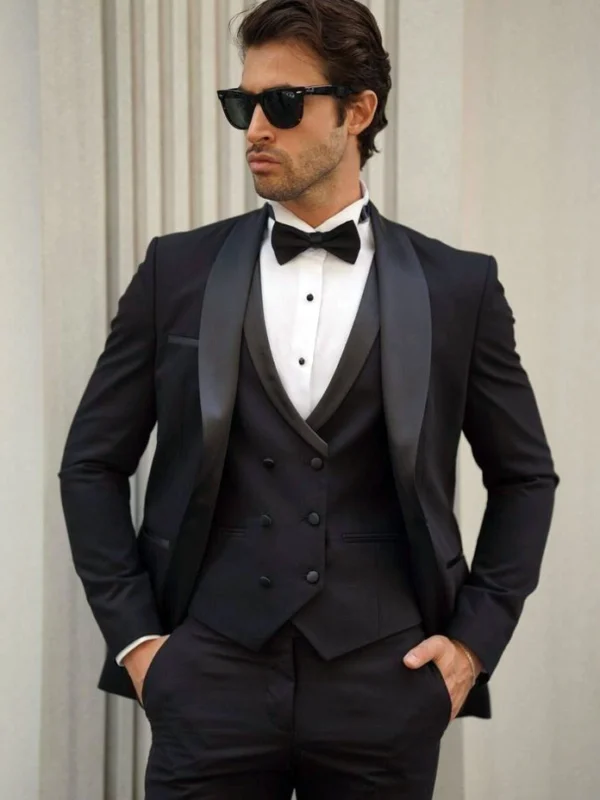
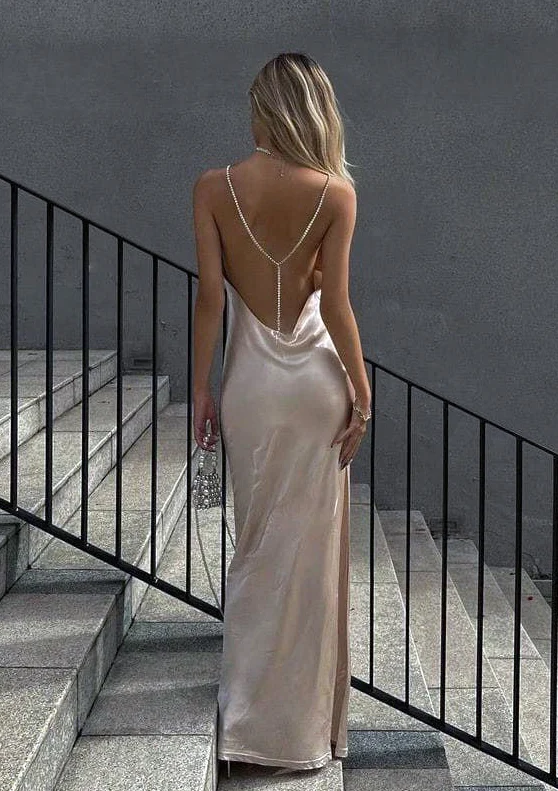
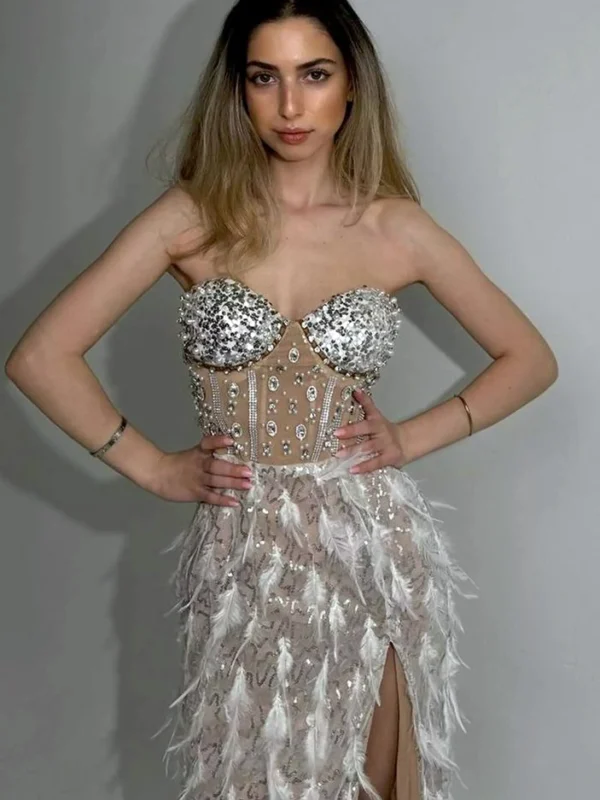
A party styling consultation becomes more useful when it begins with a specific question rather than a request for any new look. You might want to dress up an existing suit, complete a long dress without further purchases or prepare for two very different invitations. The five references range from a pale jacket and straight tie to contrasting lapels, waistcoats and a long dress with a leg opening. Use them to discuss individual decisions. Your occasion, existing wardrobe and the result you want to recreate independently remain the starting points rather than somebody else’s complete photographed appearance.
Start the party styling consultation with the invitation
Bring the actual invitation and note time, venue and your role. A stated dress code cannot be explained through a reference photograph alone. If the wording is unclear, ask the host. Explain whether you expect long periods seated, dancing or introducing someone on stage. These details help compare suitable options without replacing your own style preferences. You can enjoy a quiet pale area yet choose a darker direction because that is what you prefer for the particular evening. The useful brief connects what you want to see with what you actually expect to do.
Name one visible goal and one practical question
Write two sentences before the appointment. The first describes the intended effect, perhaps a quieter neck area or a stronger light-and-dark contrast. The second identifies an unresolved question: which shoes work with an existing skirt, or how to wear a jacket without a tie. A party styling consultation can then address those issues separately. Wanting to look different offers less direction than an observable preference. Choose one main task first so that colour, shape, accessories and hairstyle need not all be replaced together before you understand what makes a particular proposal appealing.
Show existing pieces as a complete attempt
Build an initial combination at home and photograph front and side views. Bring the actual shoes, inner layer and bag where possible. An isolated jacket leaves the relationship between shirt, tie and waistband unresolved; a dress alone says little about the intended outer layer. Note what you want to keep. A favourite existing piece can define the brief, and advice need not end with an entirely new purchase. Ask which addition makes an identifiable contribution and which changes can be explored using your own clothes. This makes the starting arrangement something you can assess together.
Sort references by features rather than people
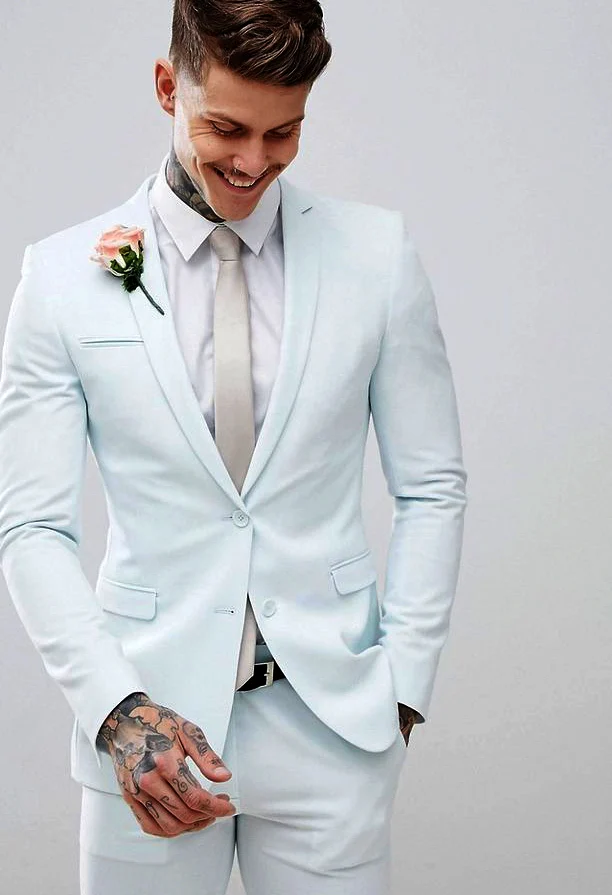
Choose two or three pictures with clear differences. A straight tie leads downwards in the pale blue example, while the grey arrangement highlights a bow tie and broad patterned middle. The dark outfit uses a waistcoat and more strongly contrasted lapel. The long dress offers another relationship between upper V-line and broad skirt. Identify only the feature that interests you in each view. Body, setting and pose are not a commission. This allows the consultation to seek a line within your clothing instead of attempting to reproduce another person’s whole appearance as closely as possible.
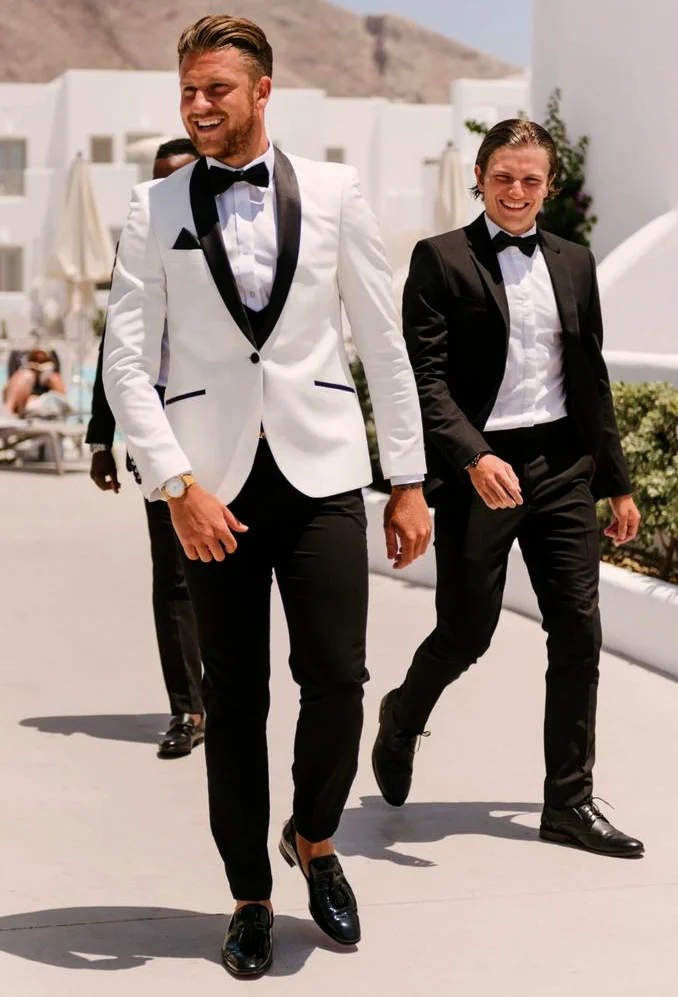
Compare two options through one clear change
Ask for a direct comparison when a suggestion becomes interesting. Keep shirt and trousers unchanged and exchange the neckwear first, for example. Alternatively retain the dress and compare two bag positions before introducing another jacket. Keep distance from the mirror and lighting similar. Which version meets the preference you wrote down initially? A party styling consultation then produces an understandable result. You may enjoy several pieces changed together without knowing which alteration made the difference. A small countercomparison helps you use the idea independently later with alternatives you already own rather than depending on one exact new combination.
Test movement questions during the consultation
Do more than say that a piece looks uncomfortable: show the movement that concerns you. The trouser transition while seated may matter with the dark waistcoat arrangement, while the leg opening on stairs may concern you in the long dress. Try relevant actions in the actual outfit instead of taking only a photographic pose. Size and alterations can then be discussed on the real garment. Your observation should be concrete: you want to turn, reach a bag or remove a jacket. That gives an adjustment a clear purpose instead of relying on a general idea of perfect fit.
Agree the budget and responsibilities before shopping
Set the overall allowance for clothing, alterations and accessories. With a specific consultation offer, ask which services are included and which costs arise separately. A shopping recommendation is not a completed alteration. Decide whether the work should begin with existing pieces or deliberately seek a new main garment. This boundary helps a party styling consultation: finding missing shoes or adjusting a hem differs from replacing a wardrobe. Record unanswered questions before adding products simply because they fit a reference during the discussion. Several small purchases can change the complete plan as much as one larger item.
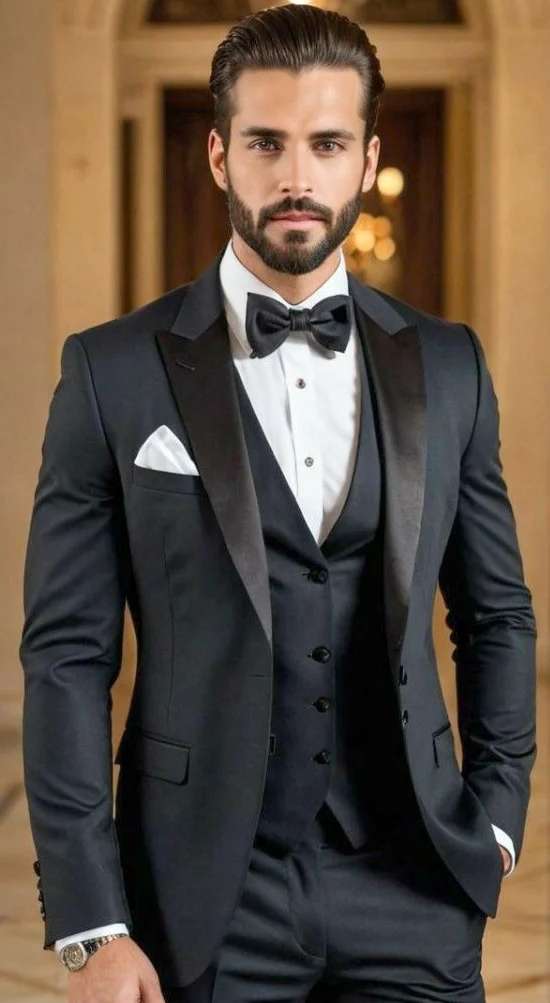
Record the result as an outfit you can repeat
Photograph the agreed main version completely, including actual shoes and accessories. Add a second solution for travel or later jacket removal if needed. Write down the precise pieces used and any alteration still outstanding. One sentence about the effect helps next time: the pale jacket creates contrast while the remaining areas stay quiet, for example. This lets the party styling consultation finish with a decision you understand. You should be able to rebuild the outfit without guessing and explain why a particular addition belongs, instead of remembering only that the arrangement looked convincing in the appointment.
Connect care and further comparisons to the brief
Check the chosen pieces’ labels before planning cleaning or pressing. The GINETEX care symbols explain instructions rather than determining treatment from a photographed surface. For closer lapel questions use our suit lapel guide; the high-low party dress selection offers another hem comparison. Follow those references when they answer your actual remaining question. A useful ending is a wearable outfit, a clear next step and a brief whose outcome you can judge yourself, with the complete combination recorded rather than more unrelated inspiration accumulated.
A party styling consultation starts with a clear brief. Establish the occasion, existing pieces and desired outcome before choosing new clothing.
Frequently asked questions
Must I buy clothes before the consultation?
No. Begin with existing pieces and show what works or remains unresolved. Any new purchase should have a named role.
Which reference photographs are useful?
Choose a few contrasting views and identify one feature in each, such as lapel contrast, neckwear or skirt fall. You need not reproduce an entire picture.
How should I explain a fit question?
Describe the situation: the front pulls while seated or the skirt needs holding while walking. Test that movement in the actual outfit.
What should I record after the discussion?
Keep a complete main combination, an alternative if needed and a short list of agreed alterations or genuinely required additions.