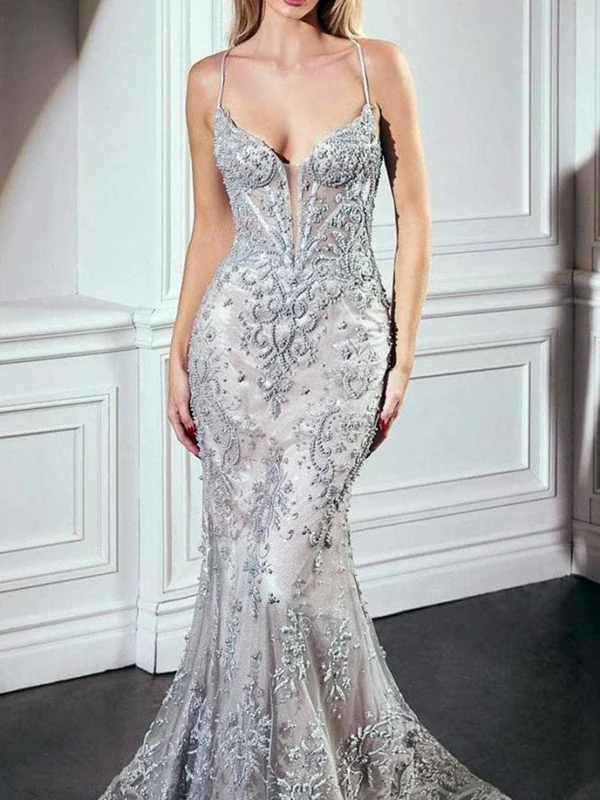
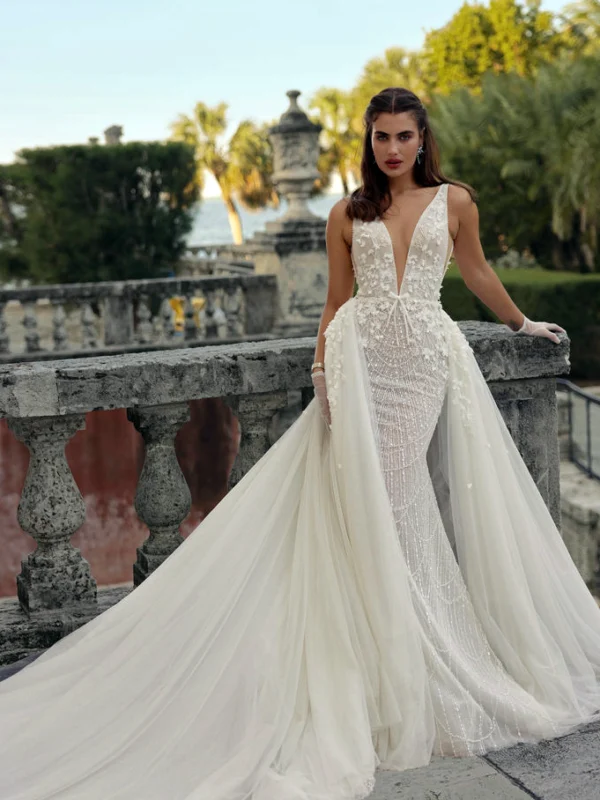
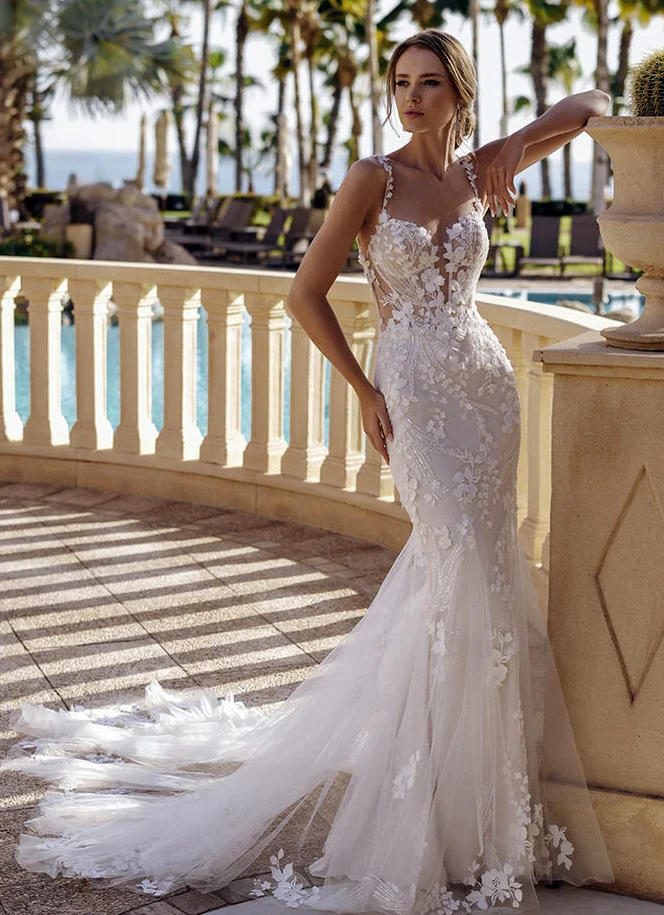
A bridal collection can offer beautiful photographs while leaving the important buying questions unanswered. Which dress suits your day, which details matter to you, and which statements actually describe the model being offered? A useful comparison separates visible design, your fitting experience and documented product information. The four references here show different approaches to bodices, skirt volume and open backs. They do not establish the dresses’ fibres, makers or environmental performance. Treat the photographs as prompts for a conversation with the shop, rather than evidence of an unverified product attribute. You can appreciate a design while keeping its unknown details open.
Compare a bridal collection against your own brief
Before an appointment, write down three things: your day’s schedule, the effect you want and a budget that includes alterations. A reception involving repeated stairs raises different questions from a celebration held in one room. Decide whether you hope to wear one dress throughout or might change for the evening. That choice affects the compromises you are willing to make on skirt size, coverage and a train. Start with a few dresses that solve the same requirements differently. A long sequence of nearly identical photographs can make it harder to understand what you actually prefer.
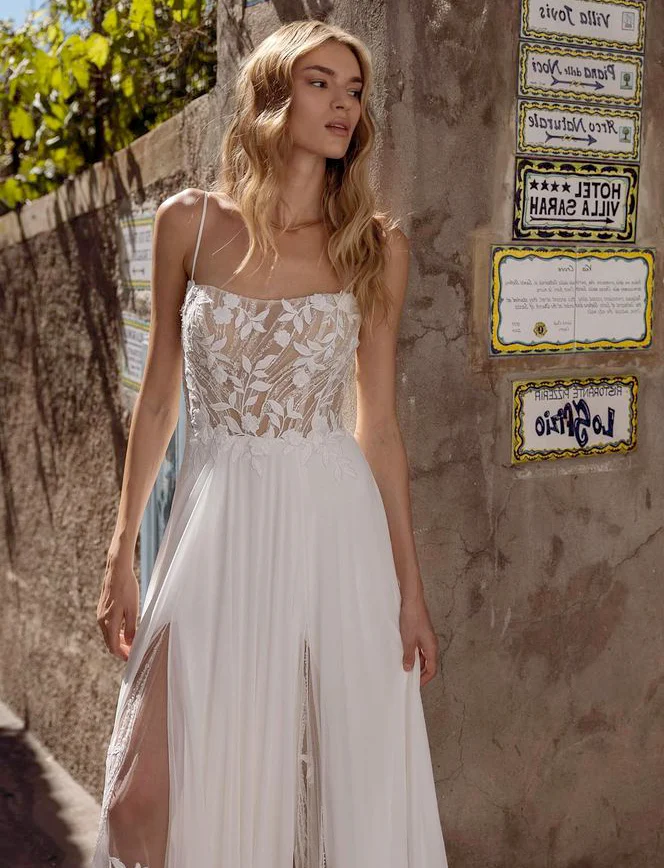
Separate the silhouette from the surface
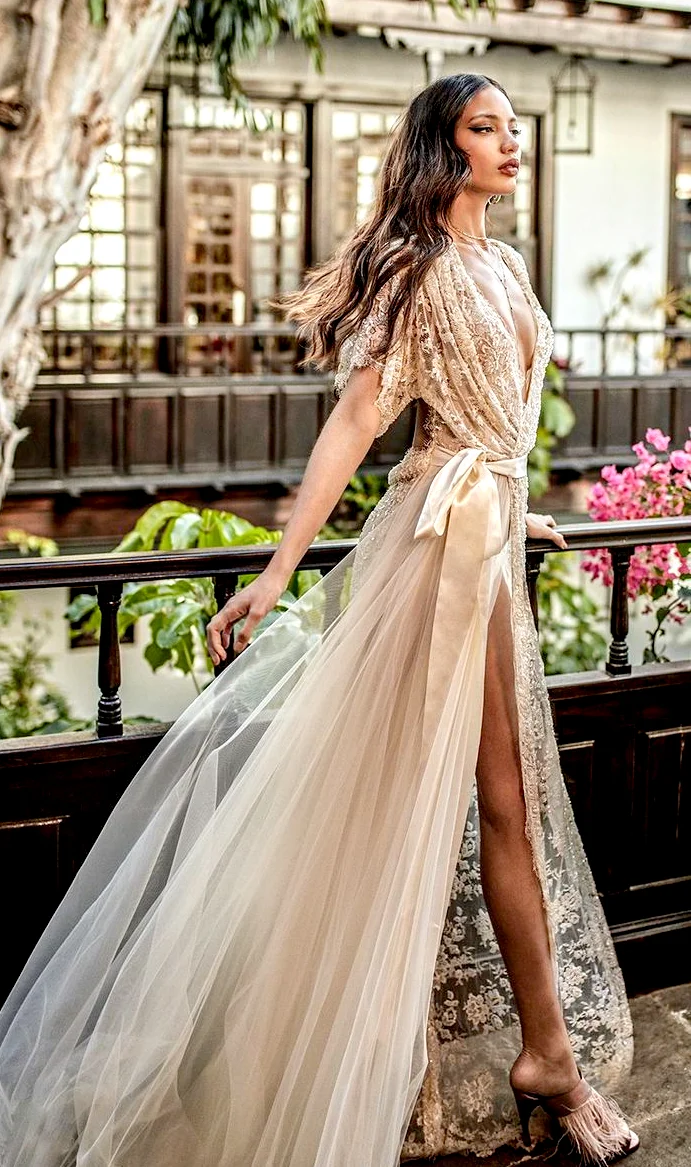
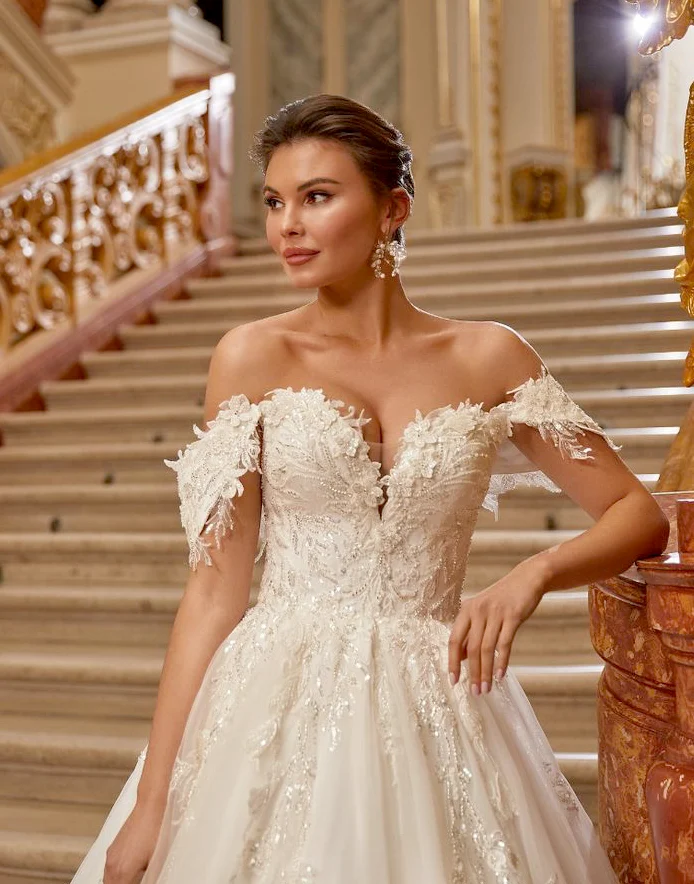
The first reference pairs a narrow strapped bodice with leaf-like patterning and a relatively loose-looking long skirt. The third has a more shaped bodice, details beside the shoulders and substantially more skirt volume. Decide which distribution of shape appeals to you before considering decoration. You might like the structure of a dress while wanting a quieter surface, or enjoy its pattern without wanting the same skirt. The boho wedding dress guide offers additional questions for comparing real fittings. Keep shape and decoration as two separate entries in your notes so one does not conceal the other.
Check bridal collection materials beyond the photograph
Shiny, translucent and patterned describe an appearance. Silk, polyester and cotton describe fibre content, which a photograph cannot establish. Ask about the outer fabric, lining and any additional layers of the actual garment. Also clarify whether a collection name refers to an individual product or simply an overall style. The FTC explains fibre-content labelling for the US market. For your comparison, the practical point is to connect product information to the dress in front of you. An evocative fabric description cannot replace that connection. Record unanswered questions instead of completing the description yourself.
Turn environmental wording into specific questions
If a collection is described as sustainable, ask which attribute the statement concerns. Does it cover the whole dress, a percentage of the outer fabric or only the packaging? What evidence identifies the model? The US FTC Green Guides summary cautions against broad, unqualified environmental claims. A useful shopping response is to ask exactly what is claimed and what supports it. A pale colour, a natural background or a simple design cannot answer those questions. Keep documented information separate from matters awaiting an answer, even when you find the presentation appealing.
Follow a certificate back to the product
If a certification is mentioned, record its full name, identifier and stated scope. Request a traceable page from the issuing organisation and check whether the evidence relates to the offered garment. Information about a supplier does not necessarily describe every component of a finished dress. Likewise, a fibre label does not answer every question about making or subsequent use. You do not need to turn these different facts into a single score. Identify which criteria matter to your decision, and avoid counting an unclear statement as a confirmed benefit. Leave space for a seller to provide a specific answer later.
Test the collection against your movements
The second reference combines a long, spread skirt section with a visible leg opening. That arranged stance can look different from sitting down or walking through a narrow aisle. Try the actual dress with movements from your own schedule: stepping onto a stair, greeting someone and sitting on an ordinary chair. Look again before carefully rearranging the skirt. The fourth reference, with its deeply open back, makes intended underwear an early fitting question. A rear photograph still cannot establish the entire fit. Request front and side views of the same garment rather than assuming they match another dress in the collection.
Discuss alterations before placing an order
Ask where an adjustment would be made and what its visible result would be. With fine straps and a patterned bodice, the meeting points may matter as much as the length. With a larger skirt, ask how shortening would affect the lower edge and decoration. Record the agreed work, timing and scope. Compare a dress requiring substantial adjustment with one that already fits using the full proposal, rather than the starting price alone. The crochet-look wedding dress guide includes further questions about open patterns and lining. Specific explanations are more useful than a general promise that everything can be changed.
Include care and later use in the decision
Consider whether you want to keep, pass on or alter the dress after the celebration. These are plans for use, rather than automatically established environmental benefits. Ask about cleaning, transport and possible repairs for the actual garment. GINETEX explains the symbols for washing, bleaching, drying, ironing and professional textile care. Follow the real label rather than a universal cleaning recommendation for bridalwear. If you hope to change the dress later, discuss that as a possibility first. A reference photograph cannot promise that a particular alteration will be straightforward or give the result you imagine.
Leave with a comparison you can explain
For each serious candidate, keep the same small set of notes: shape, unresolved fitting issues, documented composition, alterations, care and outstanding product information. Add what you particularly enjoyed about wearing it. This preserves the personal experience alongside the factual questions. Make the final comparison between actual offers rather than general collection promises. A clearly described model and a convincing fitting give you more to assess than an impressive description with central questions unanswered. You can still keep the decision open until the information you need is available. A useful appointment should leave you understanding your choices, even if you do not choose immediately.
Assess a bridal collection through shape, documented composition, alterations and care. Match any environmental claim to the actual offered model.
Frequently asked questions
Do the pictures establish sustainable wedding dresses?
No. They provide design references, without verified composition, origin or environmental performance.
Which material details should I request?
Ask for documented fibre information for the offered model, including its outer fabric, lining and other relevant layers.
Is a collection certificate enough?
Check its scope and whether the evidence can be connected to the particular dress you are considering.
How should I compare prices?
Consider the dress price together with the proposed alterations, accessories and care requirements still to be clarified.