A white party outfit starts with the real invitation, followed by your preferred clothing type. Four references show a white wide-leg jumpsuit, a pale jacket-and-trouser combination and two pale dresses with large sleeve areas. They offer different lines despite similarly light colour areas. Choose whether you want a dress, jumpsuit or suit first. The pictured people do not have to be attending a white party for this comparison; you are using visible shapes for your own planned invitation.
A particular event can be stricter than the general name suggests. The official Dîner en Blanc Paris FAQ requires white and excludes ivory, off-white and beige. This is an example for that event rather than a rule for every white party. Compare your candidate with your own organiser’s current instructions.
Choose a white party outfit around the actual plan
Read the colour guidance your invitation actually gives. Is an entirely white outfit requested, or are pale variants explicitly mentioned? Clarify imprecise wording before deciding that a cream-looking jacket and a brighter white top meet it. Ask about the setting too if it is unclear. Existing pieces can then provide concrete starting points. The general idea of a white party replaces neither the invitation nor your decision about clothing type.
Use the schedule next: will you sit at a table for a long time, stand for most of the event or want to dance? This does not automatically select trousers or a dress. It does give you actual movements for a fitting. Try the real outfit sitting, standing up and walking with your bag. Introduce an outer layer early if needed. You do not have to combine all four references into one outfit to plan a pale look.
Compare a dress, wide-leg jumpsuit and suit
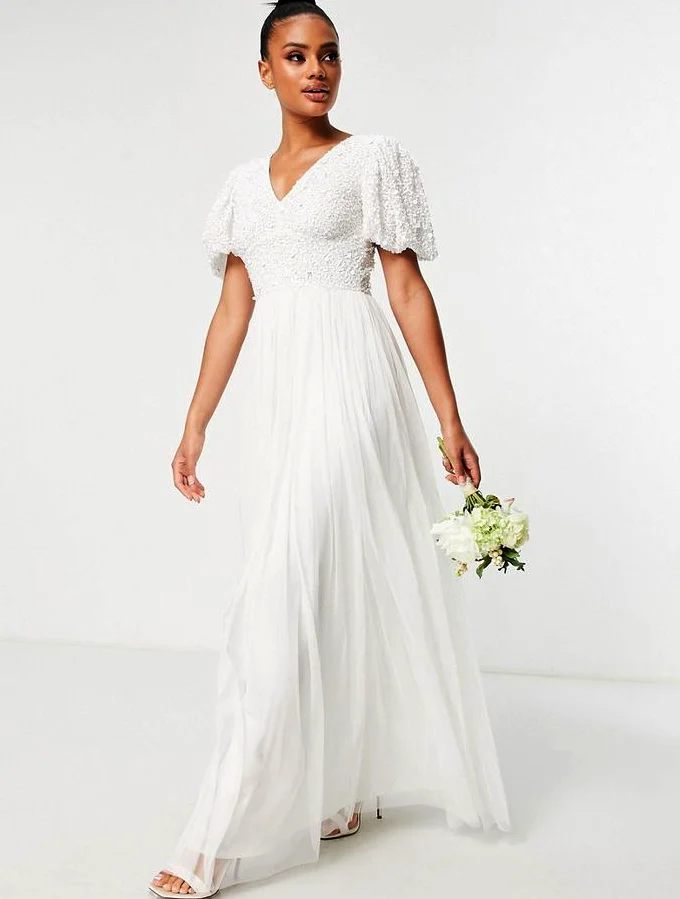
The white jumpsuit shows a V-neck, short falling sleeves and two wide trouser legs. A pale bouquet and open-toe shoes are visible. The other trouser look combines a pale jacket with broad pointed lapels and an open pale patterned shirt front. The dresses place large folded or rounder sleeve volumes beside exposed shoulders. Compare this actual distribution of fabric and clear areas first. Similar colour does not make the four shapes interchangeable.
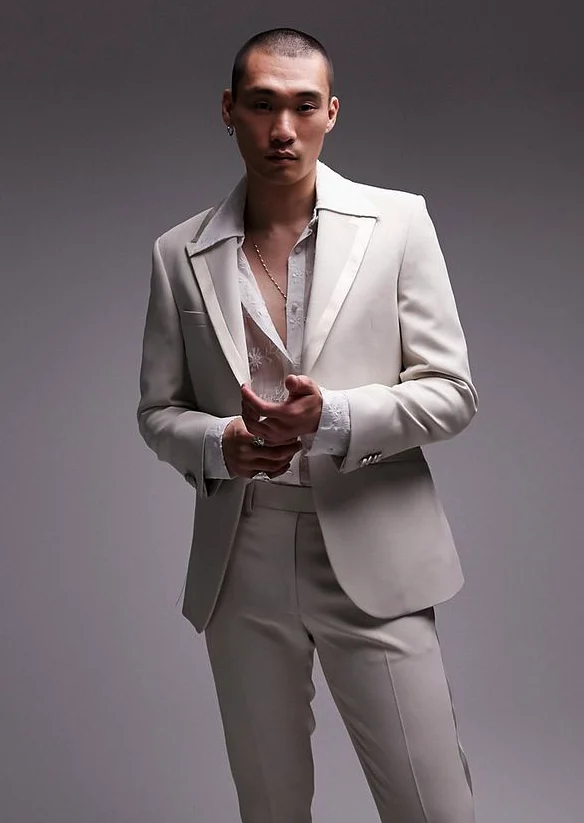
If choosing between clothing types, try available candidates with the same accessories initially. Have putting on and removing the actual jumpsuit explained, then practise it yourself. Decide whether to wear the jacket open or in its intended closed setting, assessing the complete look both ways. Choose dress skirt fullness separately from shoulder volume. The party jumpsuit guide develops the practical trial of a one-piece trouser outfit.
Compare white and cream on the actual pieces
The suit look appears warmer and creamier than some dress areas, but the pictures also have different lighting. Place the real pieces together and wear them before buying them as the same white. View shirt, jacket and trousers under one light source. Would you like a more uniform effect, or may the shirt contrast slightly? Choose deliberately if it fits the actual colour guidance, rather than relying only on a product being named white.
Place intended bag and shoes beside the garments too. A pale bag can introduce another warm or cool tone. Use existing pieces first so you can see the difference. For your white party outfit, shades and visible accessory areas are separate decisions rather than just a product name. Photograph pieces together instead of in separate rooms. Pictured colour and brightness confirm neither identical fibres nor a jacket and trousers sold as a matching set.
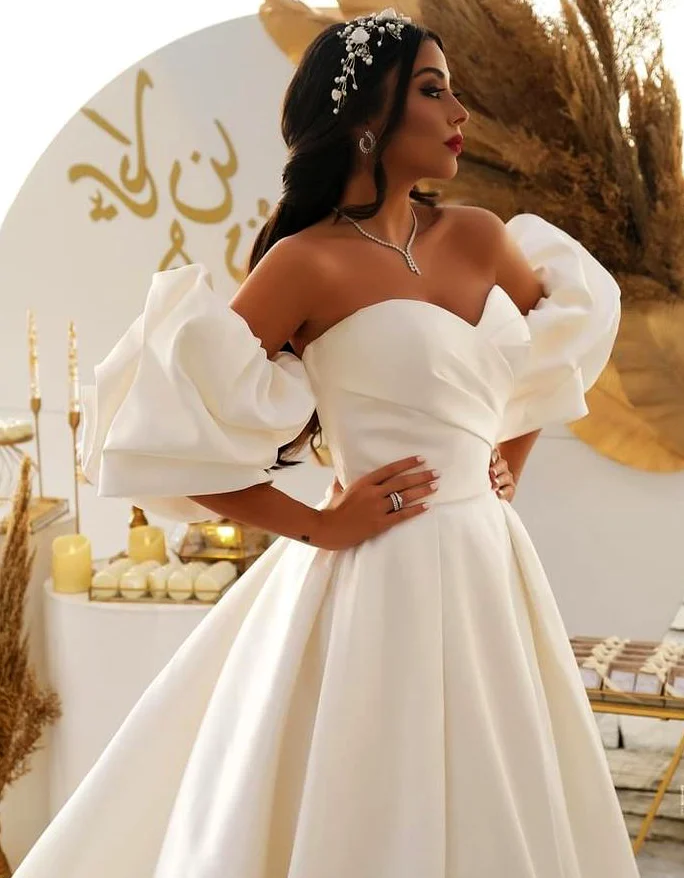
Select upper coverage and jewellery line together
The dresses expose the shoulders; the jumpsuit provides a V line with smaller sleeves. The open shirt beneath the jacket leaves another area at the neck. Choose your preferred upper coverage. Try actual underwear with the candidate, especially when selecting a fine-looking shirt area or deeper opening. View the front and side and briefly raise your arms. A pale overall appearance supplies no reliable information about the inner layers that are actually present.
Choose earrings or a necklace beside the real neckline afterwards. The folded-sleeve dress has a Y-shaped necklace and floral hair ornament; the jacket look shows a finer necklace against the open shirt front. You need not adopt those distributions. Try one available piece first with hair unchanged. The party separates guide helps introduce other individual pieces gradually. Keep your white outfit’s upper shape unchanged during this jewellery comparison.
Add shoes and bag to the actual lower length
Pale open-toe shoes appear below the wide jumpsuit legs. The suit photograph ends before the lower trouser legs and feet. One dress picture also stops before the hem, while the other dress conceals shoes with a broad floor-near skirt. These differences establish no common heel height. Wear your own shoes and assess the actual lower end of each available candidate. Walk and check where skirt hem or trouser leg meets the shoe.
Introduce your bag next. A small pale option and a larger existing bag can provide two trial ideas; these references establish no completed bag combination. Hold your real model at the side and in front. It can conceal different lines beside a full dress from those beneath an open jacket. Open it while wearing the outfit and remove something you need. Choose the shape and carrying position that fit your actual movement, checking how much additional colour remains visible.
If the larger arm area is decisive, the puff-sleeve evening dress expands the volume and neckline comparison. Use it to describe the shape you seek while keeping permitted colour tied to your invitation.
Rehearse the complete white look before the event
Set out your white party outfit with all selected pieces. Try the outer layer you actually intend to bring as well. Large sleeve volumes and wide trouser legs need a complete view with jacket and shoes; an attractive upper close-up is insufficient. Follow the sequence you expect: collect the bag, walk, sit and stand again. Practising dressing and undressing belongs to jumpsuit preparation; actual connections matter when combining separate garments.
Keep product and care information for each component. GINETEX care symbols help interpret textile labelling; white alone does not prescribe washing. Clarify outstanding product details on the real piece. Finish with front and side photographs under the same light. You have then selected clothing type, desired white shades and usable accessories together. The completed look can be prepared for your invitation without inventing a photographed event or unknown material properties.
Choose a white party outfit through the invitation, clothing type and actual white shades. Try coverage, jewellery, shoes and bag on the complete look afterwards.
Frequently asked questions
Does cream count as white at a white party?
The actual invitation decides that. Clarify imprecise colour guidance and compare real pieces under the same light before combining cream and white for your look.
How should I choose between a dress and jumpsuit?
Compare available candidates with the same accessories. Try sitting, walking and standing up; practise putting on and removing the actual jumpsuit yourself too.
Must shoes and bag be the same white?
Clarify the colour guidance first. Compare actual pieces together and worn to choose a more uniform effect or a deliberately different shade where permitted.
How should I try a jacket over large sleeve volumes?
Put the intended outer layer over the real dress and remove it again. Assess sleeves with relaxed arms and the complete outfit with your shoes.