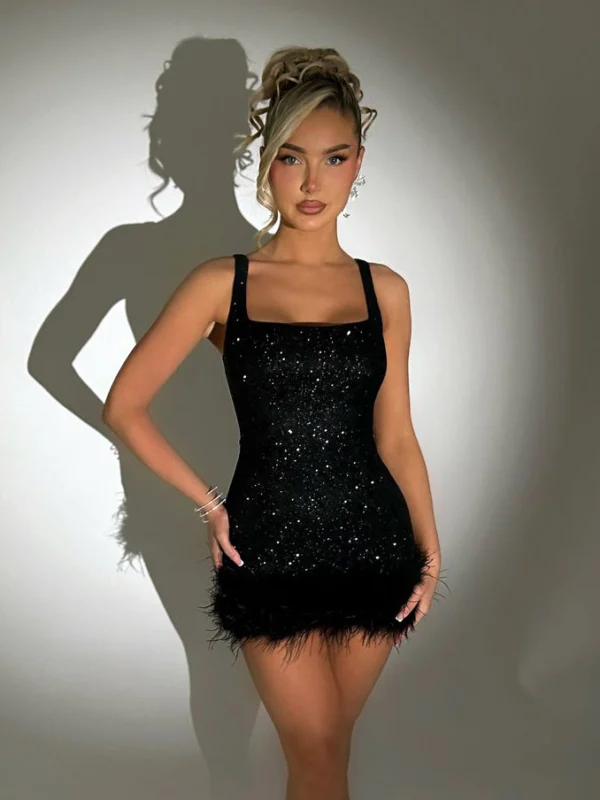
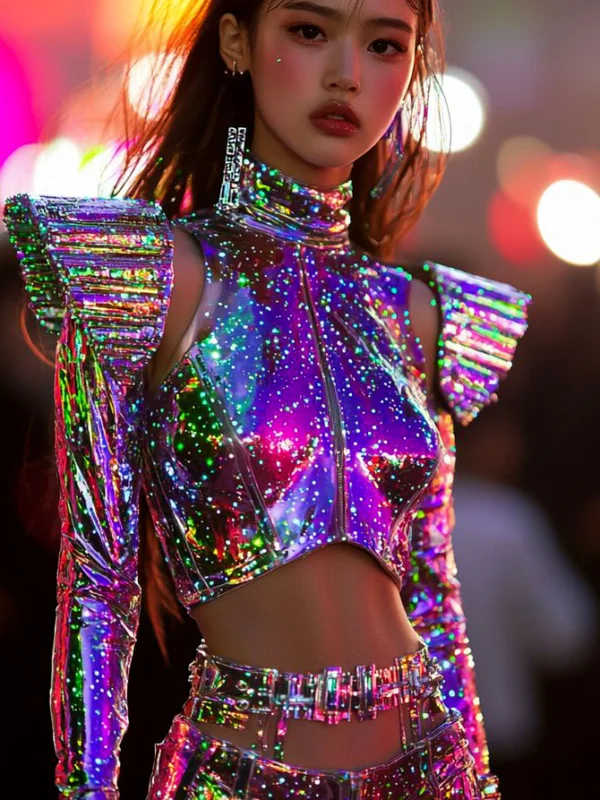
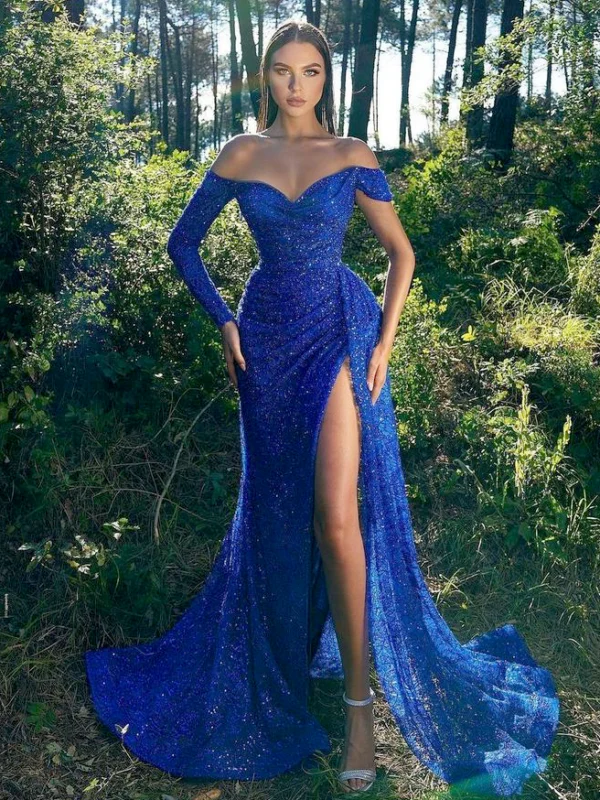
A fitted party dress initially shows a close outline in a photograph. That does not reveal particular stretch, a shaping effect or your appropriate size. These seven independent references combine the outline with different upper lines and lengths, from a burgundy mini through knee-near shapes to long white and dark red versions. A red close view already ends at the hip. Use the differences as specific search preferences and clarify actual properties on the offered model rather than accepting a general promise about a body shape.
1. Define the outline in several areas
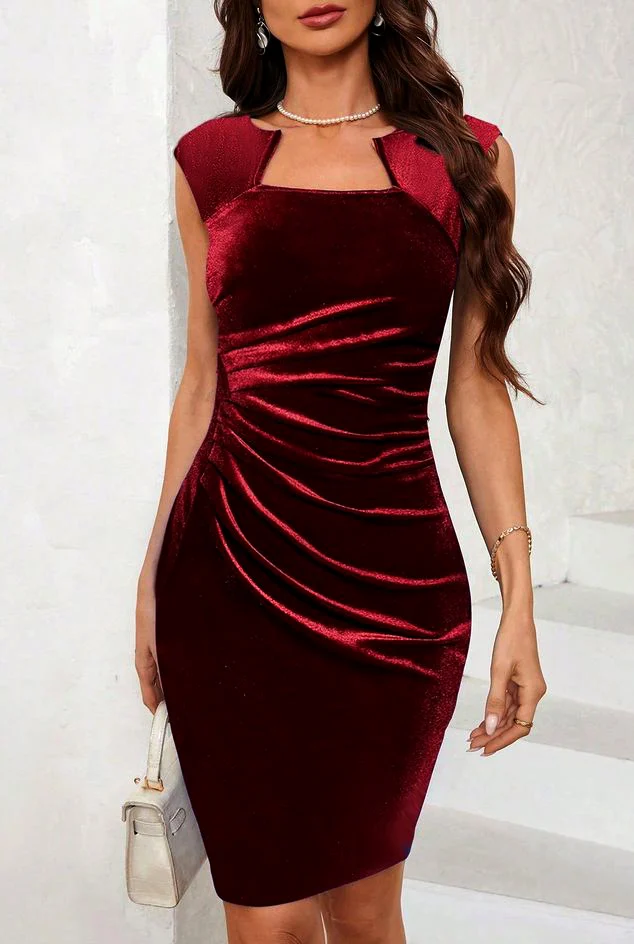
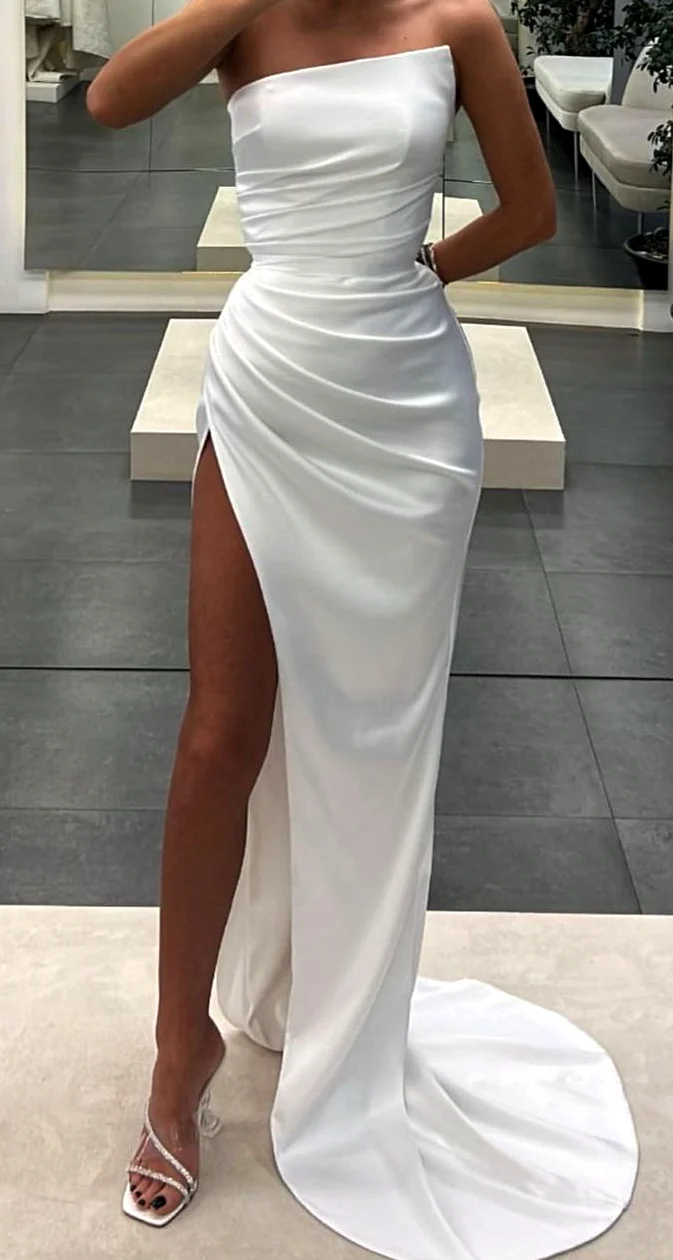
The leading burgundy mini has a high wide boat-like edge and vertical bodice lines. Its surface looks shiny and leather-like; that is a visible resemblance, not confirmed material information. Beside it, the knee-near red shape shows folds radiating towards the side waist. Long white references combine hip folds with a front leg opening. Note which lines you want and where you want them to sit on your own candidate. A named visible detail is more useful than simply searching for a tight dress.
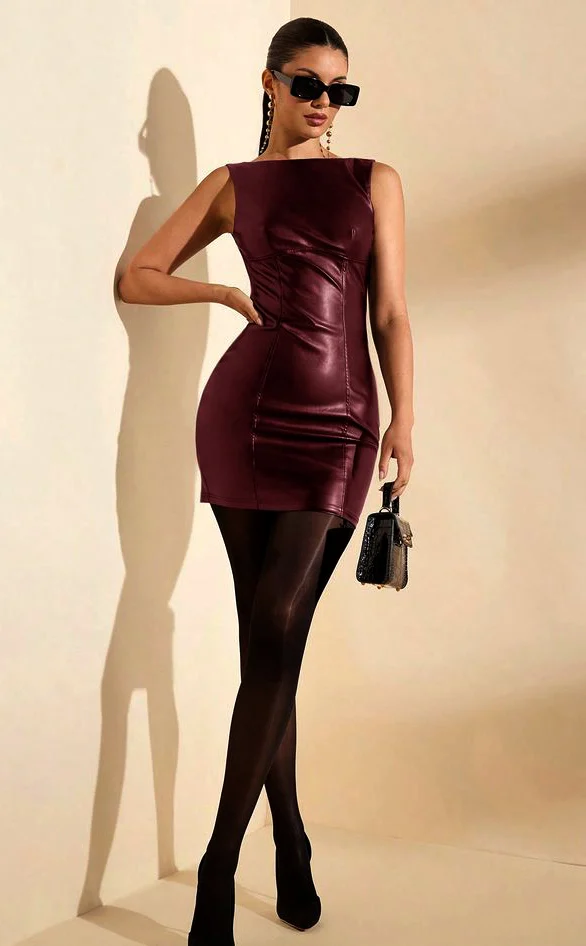
Separate the visible shape from a claimed change to the body. A dark area, side fold or narrow photographed waist proves neither support nor a particular inner construction. Ask to see the offered inner layers, fastenings and any pieces needed separately. Compare the front without a bag next, so that hands and accessories do not cover the important area. Only then return to the same question in your complete outfit. Do not fill gaps in the specification with a photographic assumption.
2. Use sizing information that belongs to the model
A named example shows why a general chart should not be the only information. Reformation’s sizing guide describes its chart as a general guide and says exact measurements vary with style. It considers bust, waist and hip separately. This is information about that manufacturer’s guide, not an identification of the archive dresses or a transfer of its sizes to a different listing. Use the example to formulate a better question about the actual product.
Ask which body measurements the candidate’s stated size assumes and which product-specific information is available. Do not confuse body measurements with garment measurements taken flat. Record the measurement system and offered version before ordering. A number from another dress is insufficient to confirm the same fit. Discuss open questions with the person responsible for the actual product rather than estimating an exact size from the close outline. The candidate’s own specification needs to answer the sizing question.
3. Compare the upper edge separately from length
The burgundy mini rises higher over the chest. The black knee-near reference has a one-shoulder connection with a broader folded area. In the long dark red shape, thin dark straps lead to a softly falling front edge. The white images offer an almost straight strapless frame and a folded edge lying lower across the shoulders. These different connections do not establish identical support or included layers. Their combination needs to be visible on the actual version you consider buying.
The comparison of long-sleeved party dresses adds further upper lines. Look at your real favourite with the hairstyle and underwear you plan. Move hair aside for a second view if it covers connections. Request the model’s own back as well. A similarly coloured photograph from an independent reference explains neither the rear edge nor your candidate’s fastening. A front detail is only part of the information about the complete dress.
4. Add the complete lower view
The references are not all short. The burgundy mini has a clearly visible hem, while the high-neck red close view omits it entirely. The long white strapless shape shows a front leg opening and longer fabric lying on the floor behind. The dark red strappy dress also continues down at length; only toes appear at the lower edge, without a reliably complete shoe view. Do not take a finished length decision from those crops or complete one dress with another photograph.
The guide to short or long party dresses helps define your preferred finish independently of the upper shape. Add your candidate with your shoes in a straight stance. Walk a few steps and sit to check the movement view you want. A still close shape does not explain how hem, folds or leg opening behave during your movements. Ask about possibilities on the specific dress before discussing alterations or assuming a particular adjustment is available.
5. Build the actual whole outfit
The leading image combines the burgundy dress with dark tights, pointed closed shoes and a black structured bag held low. Those are visible additions in this arrangement, not universal requirements for close-fitting dresses. The red knee-near reference shows a pale rectangular bag, while the black one-shoulder shape carries a dark flat bag low at the side. Choose your accessories according to which areas you want to emphasise or leave clear rather than copying the entire photographed styling.
The guide to a party outfit for women considers the combination as a whole. Try shoes and your intended outer layer first, then bag and jewellery individually. Check the invitation for the real occasion; the scenery does not confirm a dress code. Sunglasses, a telephone or a raised hand also shape the photograph. Add a quiet view without those items when assessing face, neck line or upper connections on your own actual candidate.
6. Clarify workmanship and care before buying
Shiny surfaces look different in photographs. Leather-like gloss, velvet-looking dark areas and fine red reflections are not interchangeable material specifications. Ask about the real model’s composition, lining, connections and instructions for individual pieces. Clarify which pieces are included and which alteration may need a separate discussion. The seven images establish neither a shared brand nor the same workmanship. Each actual candidate needs its own product information rather than a specification borrowed from a similar photograph.
GINETEX explains textile care symbols. Read the instructions belonging to the real product; the close shape establishes no universal hand-washing or other treatment. Finally, place your desired visible lines beside the confirmed practical properties in your notes. A fitted party dress then becomes a verifiable choice of a specific product rather than a photographic promise about your body.
A close photographic outline is no substitute for sizing or material information. Compare upper lines, folds and length, then check the actual dress with your complete outfit.
Frequently asked questions
Does a photographed fitted party dress prove stretch material?
The close outline of a fitted party dress proves neither stretch nor a shaping or supporting effect. Those properties must be confirmed on the actual product.
Are all the close-fitting references mini dresses?
The fitted references include short, knee-near and long shapes. The red high-neck close view omits the hem, leaving its length unconfirmed in that photograph.
Which measurements do I need for a fitted party dress?
Compare the requested body measurements and model-specific information for the actual fitted party dress. Distinguish body from garment measurements and do not automatically transfer another maker's chart.
Does the same colour confirm that two white images show one model?
The white close-fitting references are independent views without a confirmed model connection. Request your actual candidate's own front and back.