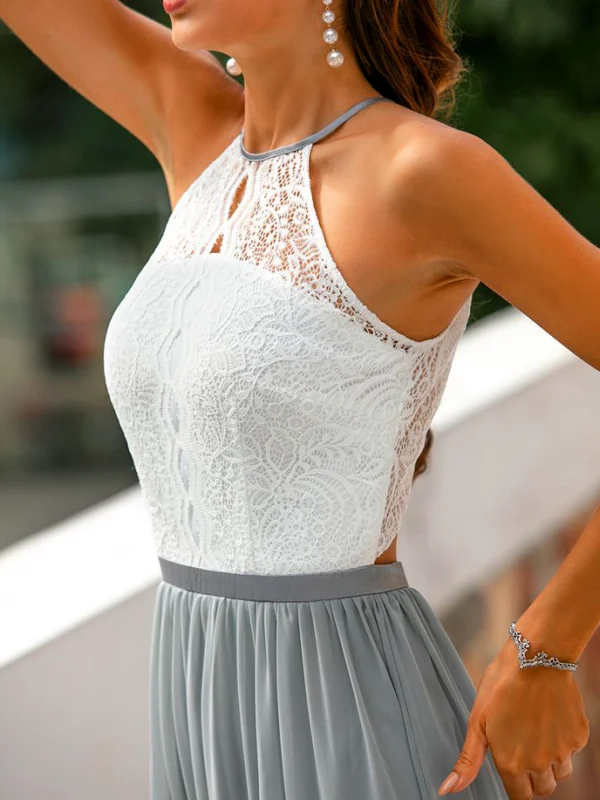
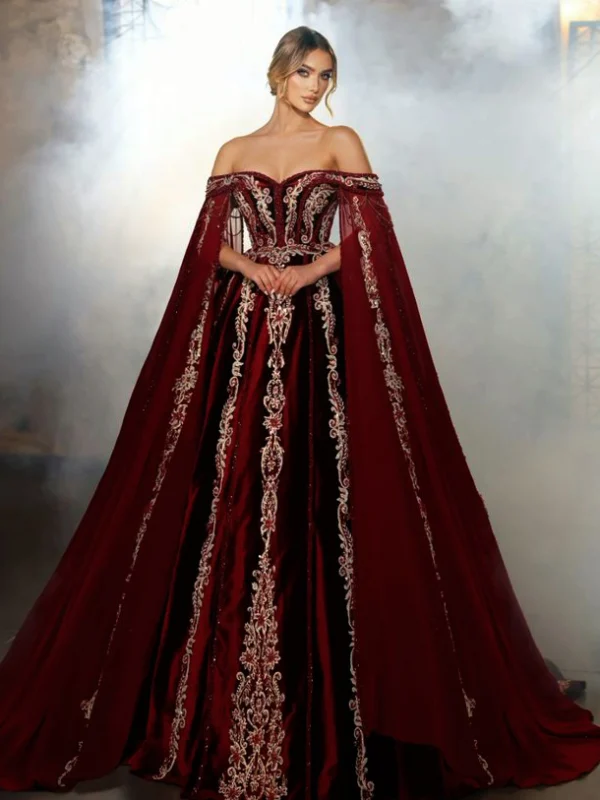
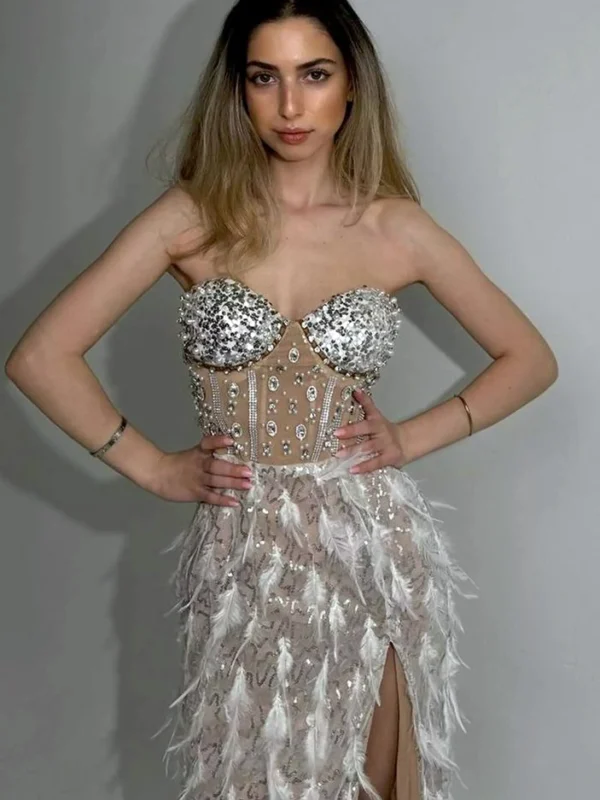
An Empire waist describes a particular shape rather than every dress with an expressive bodice. For choosing a garment, the main questions are where the skirt transition sits and how the fabric continues below it. A cup edge or broad waist area can attract similar attention in a photograph without showing the same construction. The five references here help distinguish visible lines. None clearly establishes an Empire skirt beginning directly below the bust. Treat them as comparisons with other waist and contour arrangements, then assess the actual shape you want on an offered garment. Accurate description makes the comparison more useful than grouping different dresses under one name.
Understand an Empire waist through the transition position
The Metropolitan Museum describes the Empire waist on a dress from around 1814 as sitting just under the bust. That spatial distinction is enough for your current search; it does not require you to assume historical underwear or a particular fabric. Ask the shop where the bodice and skirt meet on the actual model. Have the line shown at the front, sides and back. A high visual emphasis alone does not prove that the skirt starts there. Keep the observed detail separate from the construction being explained.
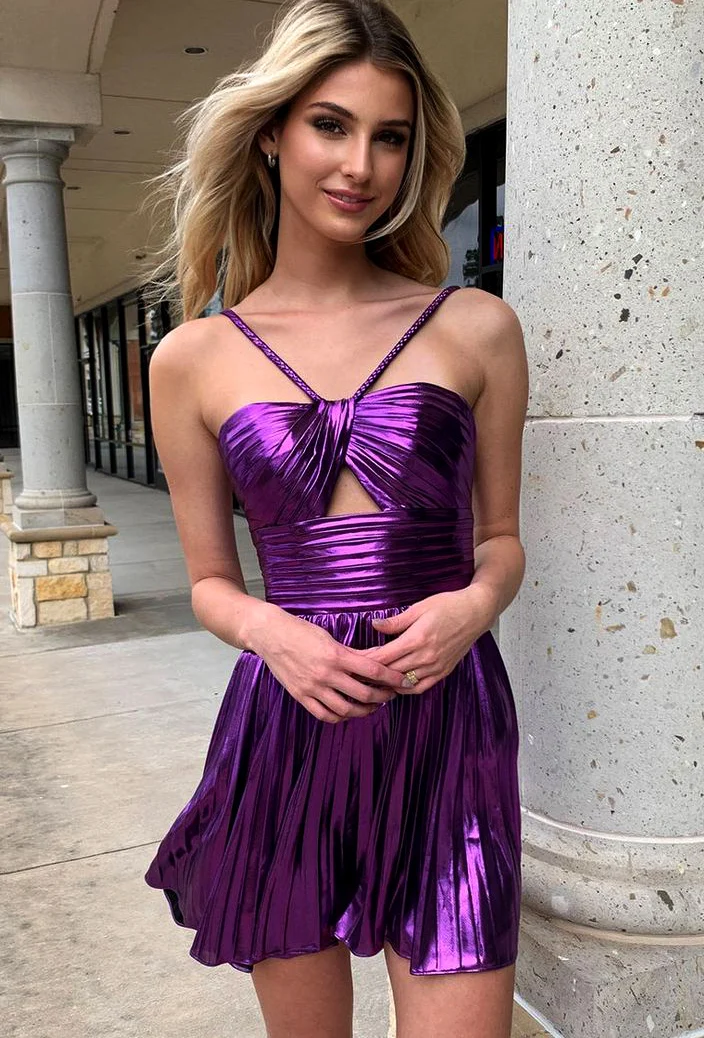
Do not confuse a broad waistband with the high join
The short purple reference has a wider, clearly marked area below the upper section. A short full skirt starts beneath it. To assess an Empire waist, look more closely: where does the upper section finish, where is the entire waist panel and which line leads into the skirt? A broad area can have several visible edges. Do not identify one as the required seam simply because it sits near the bust. Use this picture to compare transitions at a fitting. Perhaps your actual preference is the broader waist emphasis rather than a loose skirt beginning higher up.
Follow the cup edge separately from the skirt
In the short black model, shaped upper pieces sit above a patterned middle area. The bottom edge of a cup shape is not automatically the beginning of an Empire skirt. Follow the fabric below it: does the middle remain close, where does the width change and can you see a genuine join? Ask those questions about the real product rather than naming a silhouette from an upper curve alone. With unclear product photographs, request a side view or a plain description of the construction. A precise fitting brief is more useful than several related terms that merge different arrangements.
Distinguish pattern lines from seams
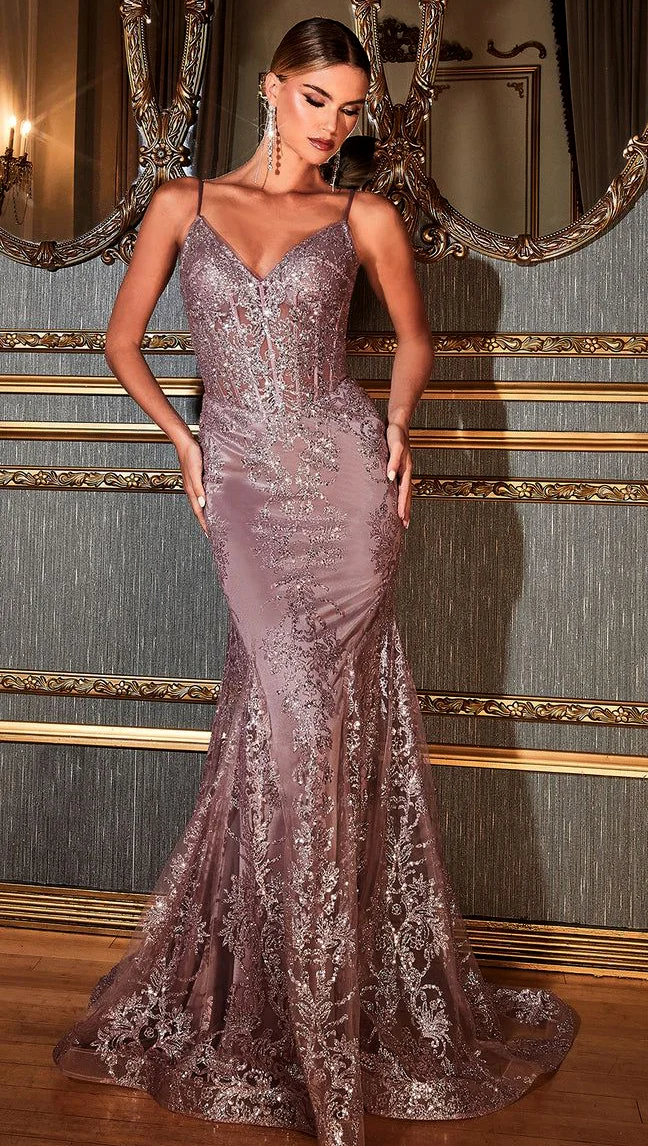
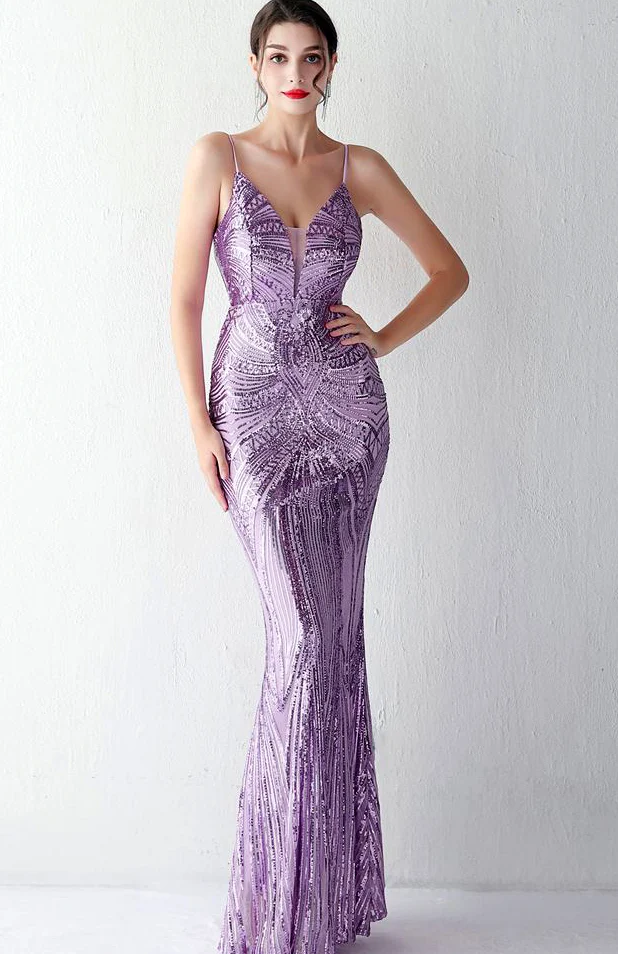
The long pink and purple references have lines and decoration drawing the eye down from the bodice. A visible vertical or diagonal mark need not be a construction seam. The continuous-looking bright surface in another long reference does not reveal every join either. Ask about the actual cut and request a view of unclear areas. The corset-look evening dress guide adds questions for comparing upper construction. Visible lines can matter as design without confirming internal support or a high skirt join. Record your pattern preference separately so you can enjoy it without turning it into an unsupported structural description.
Choose the skirt effect independently
An Empire waist only becomes a complete outfit decision together with the lower area. Do you want a closer continuing skirt, more fabric or a clear opening? Add those preferences to the high-line request instead of deriving them from a search term. Where possible, compare two real models with a visible transition and different skirt shapes. Walk and sit in your shoes. The evening dress with ruffles comparison adds lower-movement questions if you prefer a more divided area to a quieter fall. Liking a high line does not oblige you to choose a particular length or decoration.
Test the high join with your intended support
Bring your planned underwear to the fitting. Let the dress settle in an ordinary posture and check where the explained transition actually sits. Sit, breathe normally and move your arms as you expect to during the evening. Decide which wearing experience you prefer. A particular waist position guarantees neither comfort nor universal support. If you notice pressure or movement, describe its location and the action that causes it. Discuss size, cut and possible changes on the real garment instead of judging the entire shape from one unsuitable model. Repeat the final trial with the same inner layer if an adjustment is made.
Compare jewellery and the outer layer with the finished shape
A high visible line can interact with neckline, necklace and jacket edge. Look without jewellery first so you can see the actual form. Add a necklace or earrings, then try the jacket open and fastened. Decide which lines you want to emphasise. You do not need to repeat or hide the high transition through a prescribed accessory. Check your bag position while standing and sitting as well. An expressive upper design can work with quieter accessories if that is the relationship you enjoy. A few existing pieces are enough to begin this comparison without rebuilding the entire wardrobe.
Clarify alterations and care on the actual garment
If moving a transition or changing a bodice, ask about the effect on neckline, sides, back and skirt. Changing seam position is more than adding a different belt. Have the proposal explained on the piece and arrange a final movement comparison. Read the care label too. GINETEX explains care symbols. Shine, pattern and the waist name do not supply a cleaning instruction. Keep material details, care and agreed work together so the chosen construction remains understandable after alterations. Ask the provider about unclear instructions before trying water, steam or heat.
Leave with a precise fitting request
Finish with a short description: a high transition directly below the bust, your preferred neckline, skirt fullness and unresolved product questions. If the broad panel in a reference is what you actually like, name that instead. An Empire waist is not compulsory because it was your original search term. The comparisons may reveal that another line better matches your idea. Decide through clear views and a real fitting. A precise request does not remove the need to choose, but it makes the choice understandable and prevents different constructions being compared as though their labels made them identical.
An Empire waist sits directly below the bust. Check the actual bodice-to-skirt connection and distinguish it from decorative, cup and broad waist edges.
Frequently asked questions
Is a cup edge already an Empire waist?
No. The relevant feature is the actual skirt transition directly below the bust, rather than only an upper cup edge.
Do the five photographs establish Empire dresses?
No. They are comparisons for distinguishing other visible waist, cup and pattern lines.
Can a broad waistband look similar?
It may attract attention higher up, but that does not make it the same construction. Ask to see the real joins.
What belongs in a high-waist fitting?
Planned underwear, shoes, ordinary posture, sitting and arm movement help assess the real position and wearing experience.