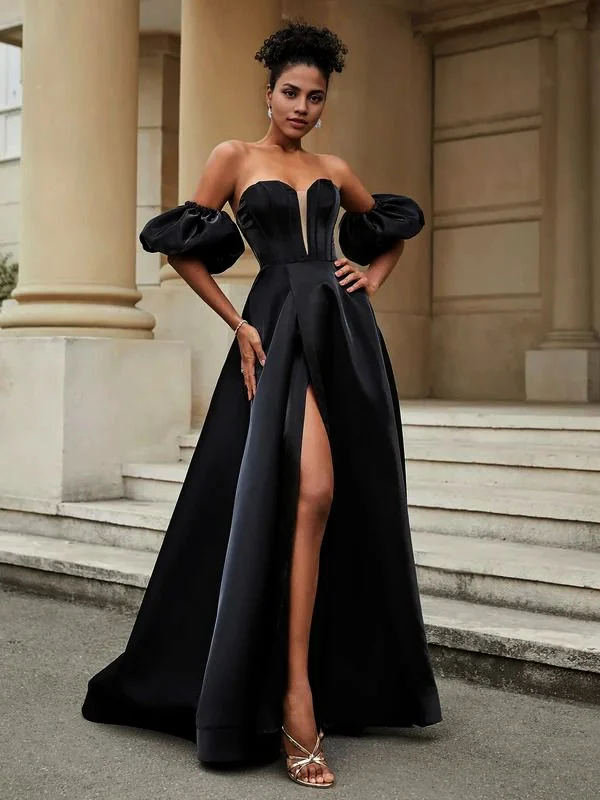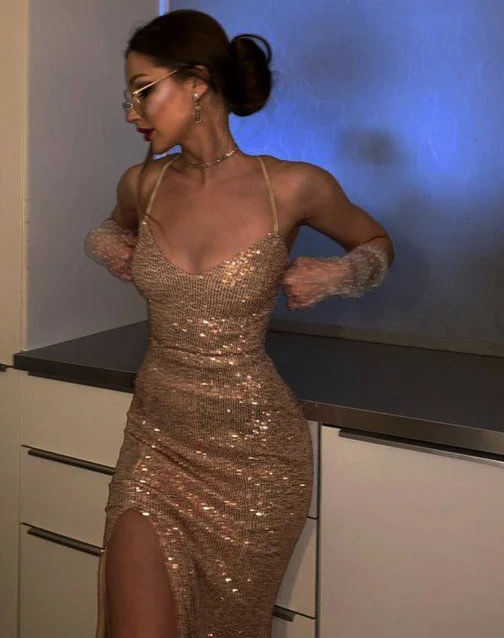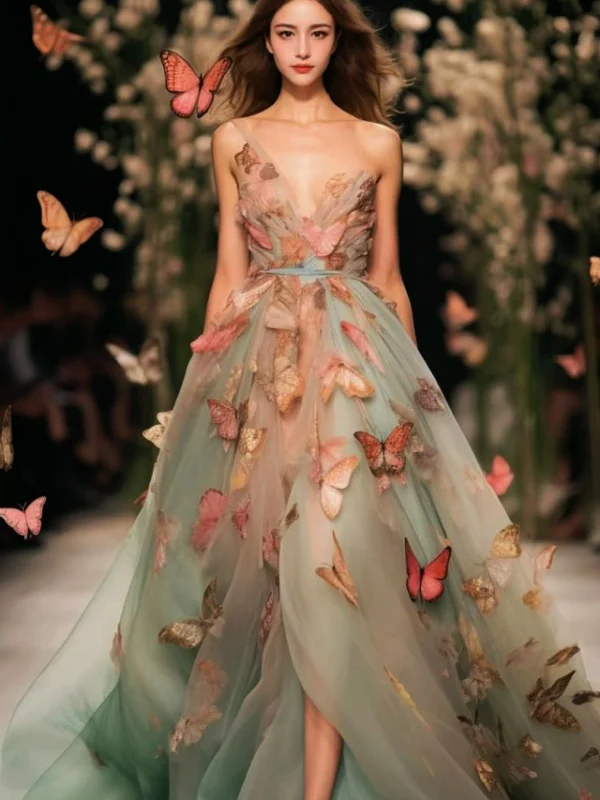
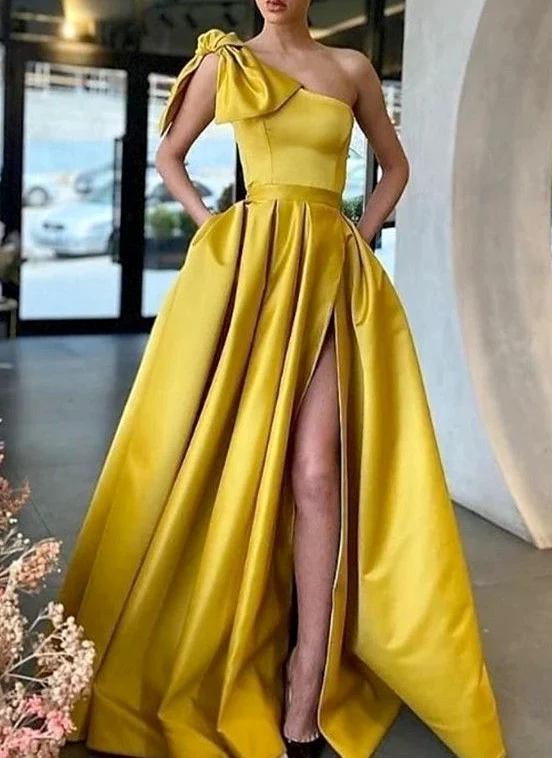
Colourful party outfits become easier to plan when you choose the largest colour area first. In the yellow example, a prominent shoulder tie leads through a quieter bodice to a wide skirt with a front opening. The red dress combines an asymmetric upper line, a visibly patterned surface and a broad lower area. Both use strong colour, but their emphasis differs. Avoid choosing hue, pattern, skirt volume and every accessory simultaneously. A sequence makes the comparison clearer and helps you bring existing shoes or a bag into the decision for a specific reason.
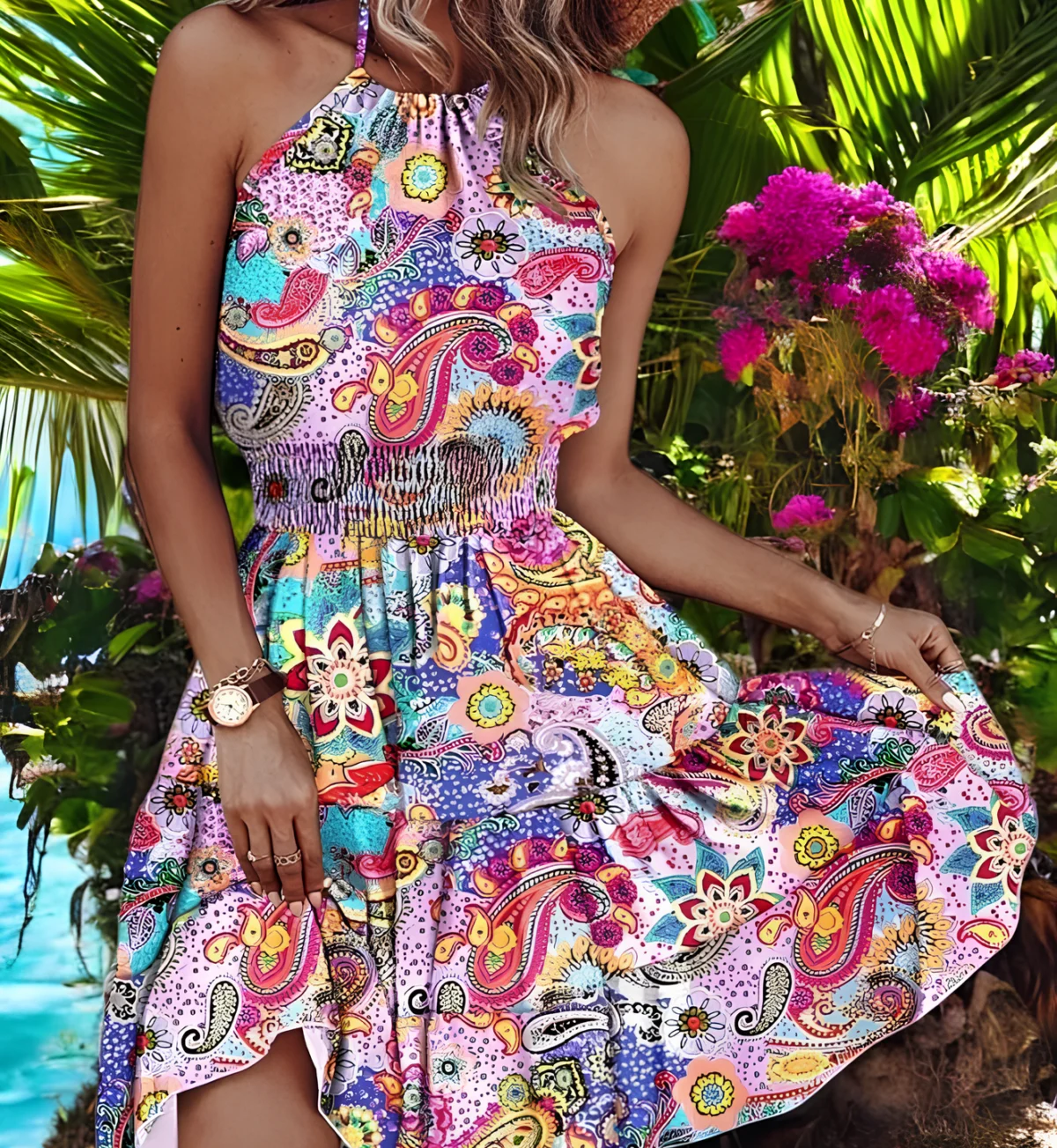
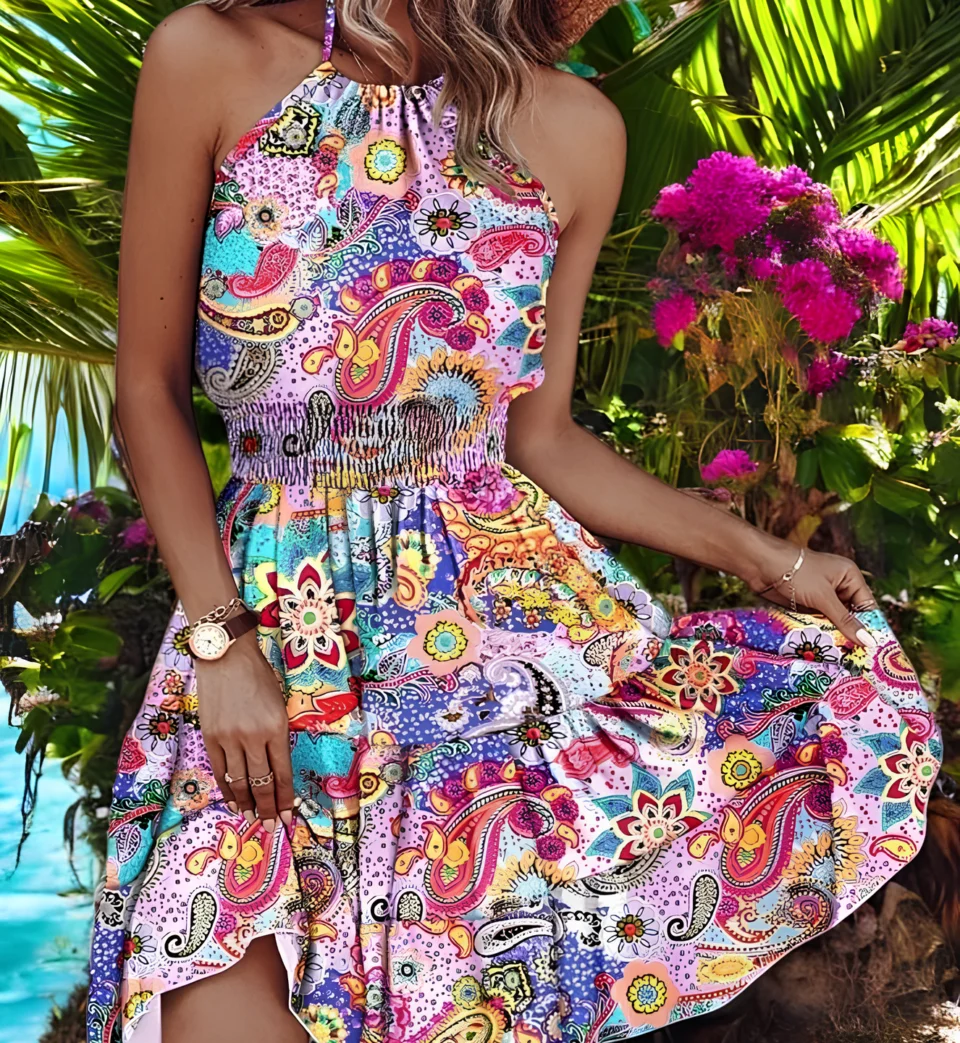
Another gallery view adds a short multicoloured patterned dress with a higher neckline and gathered middle. It offers an alternative to one large hue: several colours sit within the garment rather than only in its accessories.
Colourful party outfits start with a lead colour
Decide which existing or tried-on piece should carry the colour. This may be a dress, trousers or a top. In the yellow dress, the colour continues over a large area; the folds mainly change the distribution of light and shadow. Note whether you want that extensive surface or a smaller yellow accent. A light bag beside a coloured dress makes a different division from a coloured top over quieter trousers. Neither arrangement is automatically the correct one. Start with the piece you want to communicate the main idea of your outfit.
Place three items together before dressing: the main garment, shoes and bag. Change only one companion at a time. You can then see which change actually affects the result. If useful, photograph the two worn options from a similar distance as a reminder. Return to the actual outfit before deciding. Lighting and screens can complicate a colour comparison. A photograph records an option rather than replacing a direct view of the real shade with its intended companions. Putting the pieces together is more informative than mentally combining colours from separate product photographs.
Compare colour and surface for colourful party outfits
Alongside its strong red, the second example carries a dense visible pattern across the outside. The yellow look has larger quieter surfaces, with skirt folds creating lighter and darker areas. Ask two questions: do I like the hue, and do I like the pattern or surface? If only one answer is yes, seek an alternative. You can pursue the same colour preference with a quieter surface, or choose a similar drawing in a different shade. The reference does not need to be adopted as a complete package.
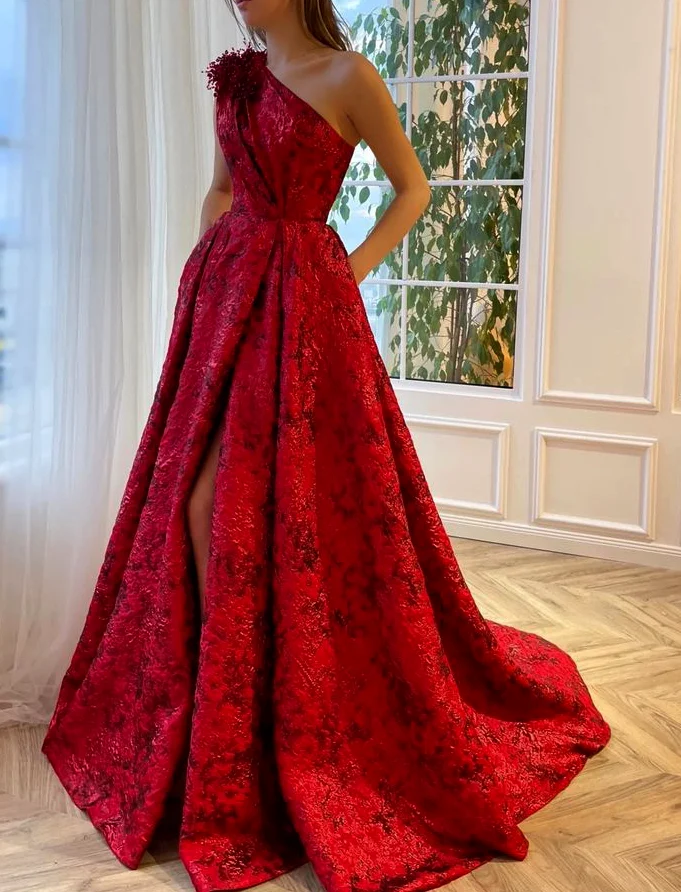
With a real dress, compare the bodice from the front and slightly to the side. Look at the skirt without spreading it for a photograph. Decide whether its drawing should lead from normal viewing distance or become a detail discovered closer up. Shine does not reliably identify fibre or making technique, so ask the supplier about those properties. For a narrower exploration of one colour area, the green evening dress guide provides another comparison. Its purpose here is to clarify how you assess colour, rather than replace your preferred yellow or red.
Compare shoulder details and skirt volume on yellow and red dresses
The large tie at the shoulder of the yellow dress sits near the face and already provides a strong detail. The red dress establishes a different asymmetric frame above the bodice. Try jewellery after choosing this shape. A long necklace may cross the upper line; small earrings leave it visible differently. If you want a large shoulder feature, also check your outer layer. A jacket may cover or change it. Decide which effect matters on arrival and during the celebration rather than judging only a photograph without a jacket. Those two moments need not use the same emphasis.
Both skirts show considerable width, but the yellow opening creates a different front line. Test a comparable real shape while walking, turning and sitting. Notice whether you want to arrange the skirt repeatedly. A narrower candidate can carry the same colour preference if you dislike the width. The elegant party outfit guide adds questions about the whole occasion. Combining colour choice with actual movement gives you a more personal result than treating the photographed cut as compulsory. Repeat the comparison with the shoes and bag you intend to use.
Choose accessories for colourful party outfits deliberately
After the main garment, choose one accent you actually want to see. It might be a bag, shoe or piece of jewellery. Hold a quieter item beside the outfit, then a more contrasting one. Judge both in a complete view. If attention immediately leaves your intended lead colour, reduce the accent or place it elsewhere. If that shift is your aim, keep it. The decision follows the distribution you want rather than a ban on combining strong colours. Changing one piece at a time also helps you identify the detail responsible for the effect.
With a multicoloured pattern, you can repeat one visible tone in an accessory. Compare the real items rather than seeking a supposedly exact screen match. Alternatively, keep companions quiet and leave the variety within the garment. Look at jewellery and a bag clasp together if both shine strongly. There is no need to invent a universal rule requiring all metal tones to match. A direct comparison can show whether you prefer repetition or deliberate mixture. Add a second prominent jewellery item after the first decision becomes clear, so each addition has an understood role.
Finish with the invitation, light and actual care information
Read a stated dress code before buying and clarify unclear wording with the host. Bright colour alone cannot establish whether an outfit suits the actual celebration. Consider seated periods, the journey and cloakroom arrangements. Try the complete look with the shoes you will wear. If you plan two pairs, compare both. Inspect the whole lower line before discussing a hem change. This keeps the decision connected to your event rather than an unverified general party rule. Include your arrival and return layer in the final fitting as well.
Read the actual garment’s care label; GINETEX explains the care symbols. The earlier 2025 archive label is neither a future trend promise nor evidence of a ranking. Retain your concrete decisions instead: lead colour, intended surface, tested shape and secondary accent. This comparison can help at the next occasion because you know what you liked about the combination. A different shoe or existing jacket may change its emphasis without requiring an entirely new set of pieces. Your way of wearing colour grows from those specific, repeatable choices.
Start with one dominant colour area. The yellow shoulder detail and patterned red skirt show why hue, surface and volume deserve separate decisions.
Frequently asked questions
Must colourful party outfits be paired with black?
No. Compare a dark companion, a related tone and a clearly contrasting accent. Your intended distribution matters more than a general obligation.
Are colourful party outfits in yellow or red appropriate for every invitation?
The photographs cannot establish that. Check the stated dress code and the actual arrangements of your event.
Do these photographs prove the leading trend of 2025?
No. The earlier year belongs to the archive history of this article. The selection explains colour decisions rather than a trend ranking or market share.