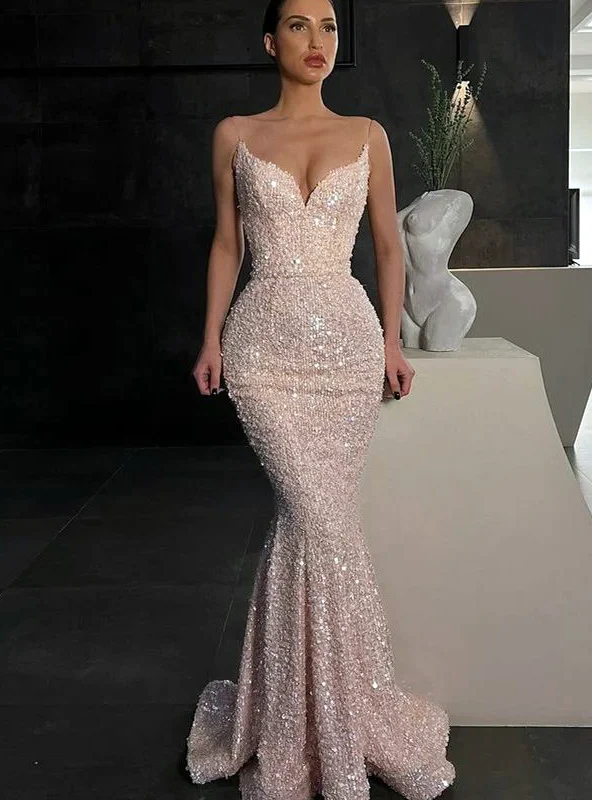
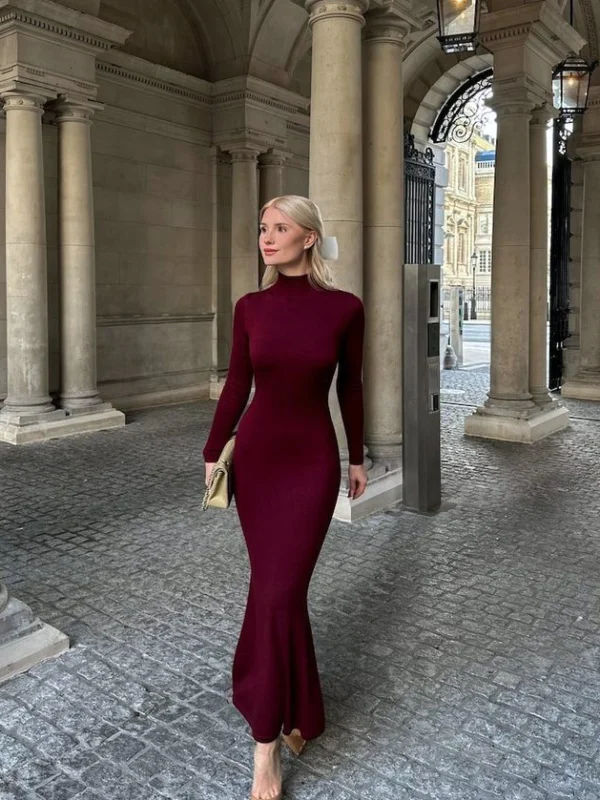
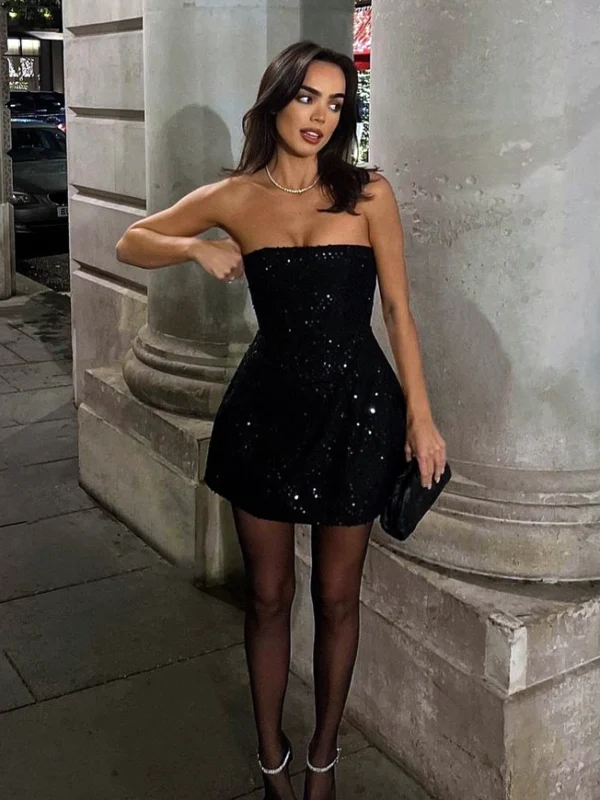
A winter evening dress needs to work in two different settings: the journey outside and the event indoors. Length alone does not settle that choice. The burgundy reference combines long sleeves with a high neckline, while the red comparison leaves the shoulders open despite its long sleeves. These pictures show different areas of coverage, rather than evidence of how warm either garment feels. Start with your actual evening and choose the dress alongside its outer layer. You can then assess a complete arrival outfit and a second complete outfit after you leave your coat at the cloakroom.
Winter evening dress: plan the change indoors
Write down how you will arrive and when you expect to remove your coat or jacket. A short transfer from a taxi to a cloakroom involves different practical decisions from walking to a restaurant and waiting outside. Ask the venue about coat storage and any planned outdoor moments. This does not create a universal dress rule. It gives you a concrete basis for deciding whether another layer stays over the dress for much of the evening or disappears soon after you arrive.
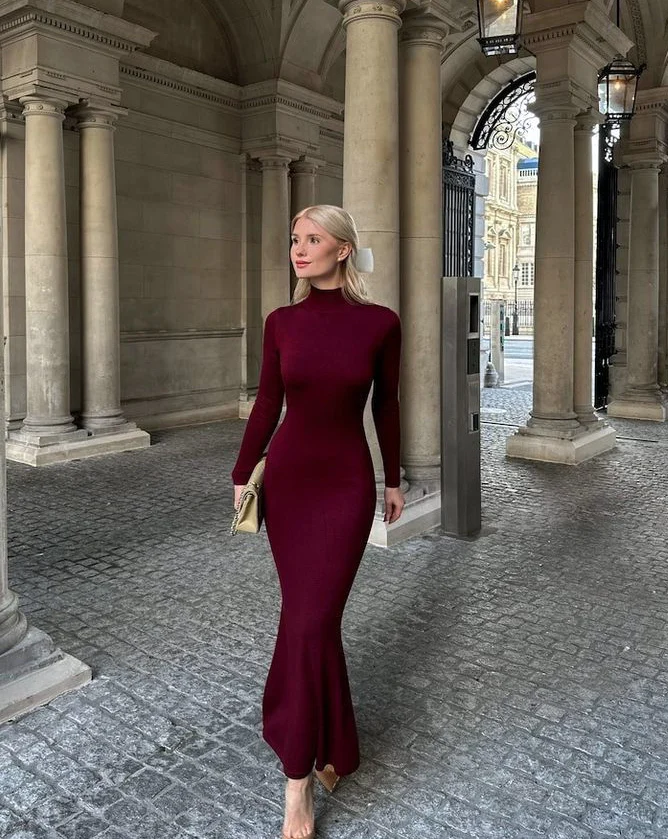
At a fitting, put on the whole arrival outfit first. Then actually remove the outer layer and put it somewhere, as you would at the event. Notice whether a bag catches at your wrist, a sleeve twists or a fastening needs another person's help. These are details you can reorganise beforehand. If you prefer a wrap, try the particular wrap with the dress. You should be able to take it off without having to hold your jewellery, bag and loose fabric in one crowded hand.
Separate shoulder coverage from sleeve length
The burgundy dress makes a largely continuous upper area through its long sleeves and high neckline. That may suit someone who wants to sit at dinner without a scarf. Compare where the neckline ends and how its edge feels when you turn your head. The picture establishes neither the fabric composition nor insulation. Use it as a shape reference and try the desired coverage on the actual garment, rather than reading warmth into its dark colour or its close outline.
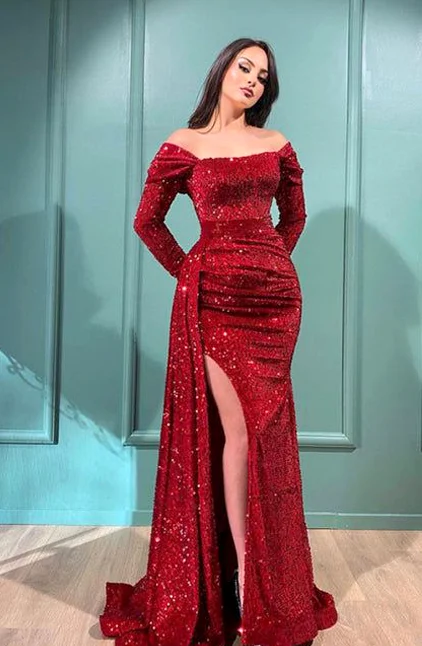
The red comparison also has long sleeves, but leaves the shoulders and upper chest open. You can choose that line for the indoor part of the event and organise the journey separately. Put your jacket on and check whether the shoulder edge stays where you want it. Remove the jacket without pushing that edge down accidentally. A scarf changes the visible neckline, so decide whether it belongs only to the journey or remains part of your reception outfit. Each option can work, but they suggest different choices for jewellery near the face.
Check coat space at the sleeves and hips
The relatively narrow sleeves in the burgundy reference provide a useful starting point for comparing a coat. Reach forward, put the bag over your shoulder and bring both hands together in front of you. Then check whether the dress has been pulled upwards beneath the coat. An outer layer that looks composed while standing may behave differently when you get into a car or sit down. Choose its size and shape using the complete combination, rather than assuming a jacket you already own will accommodate every dress.
The red dress adds a long side panel to the outline. Put a coat over a similar detail and look from behind: does the panel hang beyond the coat in the way you intended, or move into a different position when you open it? You may like a visible contrast, but assess it from the side as well. If you want a quieter arrival silhouette, compare a longer outer layer. Before pinning or shortening a dress with hanging details, ask an alterations specialist what changes are possible on the actual garment.
Connect the hem with travel shoes and changing
A floor-reaching hem or long side panel needs consideration during the journey. Try the intended event shoes and observe how much fabric touches the floor. If you travel in another pair, check the hem with those shoes too. A length that clears the ground with a higher heel may rest on it with a lower shoe. Decide whether to change at the venue or set the length around your preferred pair. Allow time and bag space for that change instead of leaving it as an unresolved detail.
A narrower dress such as the burgundy reference still benefits from a movement trial. Walk several steps, turn and sit on a chair, then look at the lower outline before immediately adjusting it. For an evening with repeated room changes, you may prefer a hem that does not require frequent handling. For a brief reception followed by a seated meal, you may make another choice. Our long evening dress guide explores hem clearance and trains in more detail; the winter decision here is how those choices work between outside and inside.
Complete the outfit for the dinner table
The burgundy reference uses a small pale bag and pale shoes. You could repeat that light accent or choose darker companions. What matters is which pieces remain after the coat comes off. Photograph both outfits in the same lighting. A bag that looks pleasing beside your coat should also suit the dress on its own. Keep the first comparison manageable: one bag, one pair of shoes and one direction for jewellery will show more than a pile of changing accessories.
The red dress already has many points of reflected light across its surface. Try jewellery while seated and leave the shoulder edge room to sit as intended. For cleaning the actual dress, read its care label. GINETEX explains the meanings of washing, drying, ironing and professional textile care symbols; use that source to interpret symbols actually present. Resolve unanswered care questions before buying. Once the journey, cloakroom routine and later care are considered, you have fewer loose decisions to manage on the evening itself.
For a closer comparison, use the long evening dress guide and the dress and coat comparisons.
Plan the journey and the indoor outfit separately, then try the dress, outer layer, shoes and bag as a complete combination.
Frequently asked questions
Does a long dress prove it will be warm enough?
No. Visible length describes shape. Assess the actual garment and plan the outer layer around your journey.
Can I choose open shoulders for a winter event?
Choose the shoulder line you want indoors and try outerwear separately for arrival and any outdoor moments.
What should I check when changing shoes?
Check hem clearance with both pairs and allow time and space for the change.
How should I compare a bag with a coat?
Photograph the complete outfit with and without the coat, then assess the bag in both views.