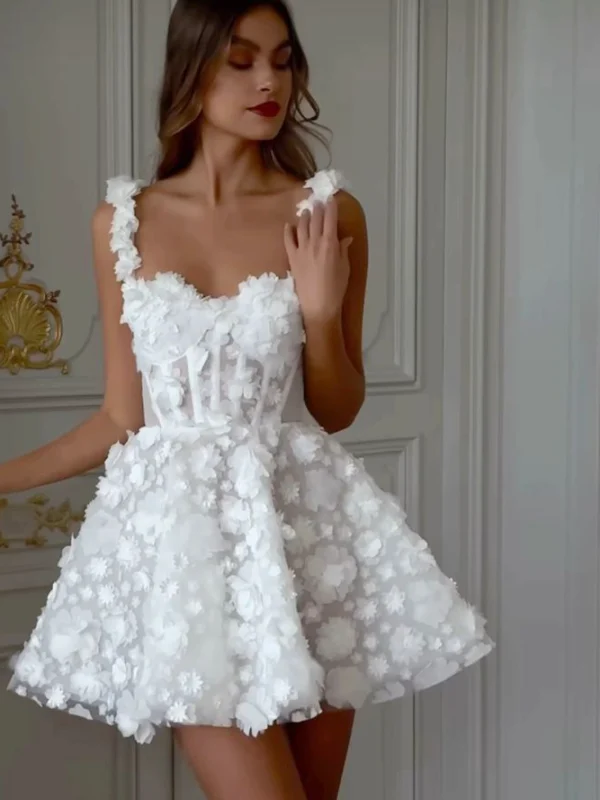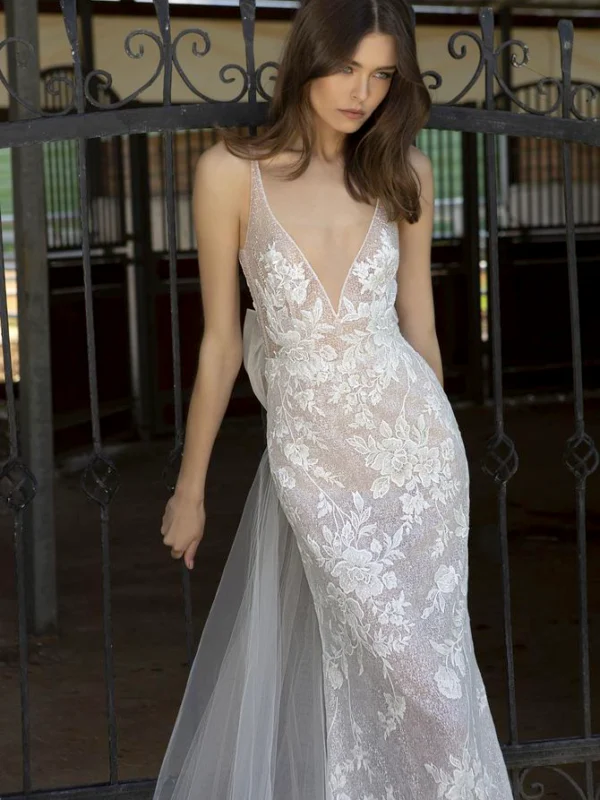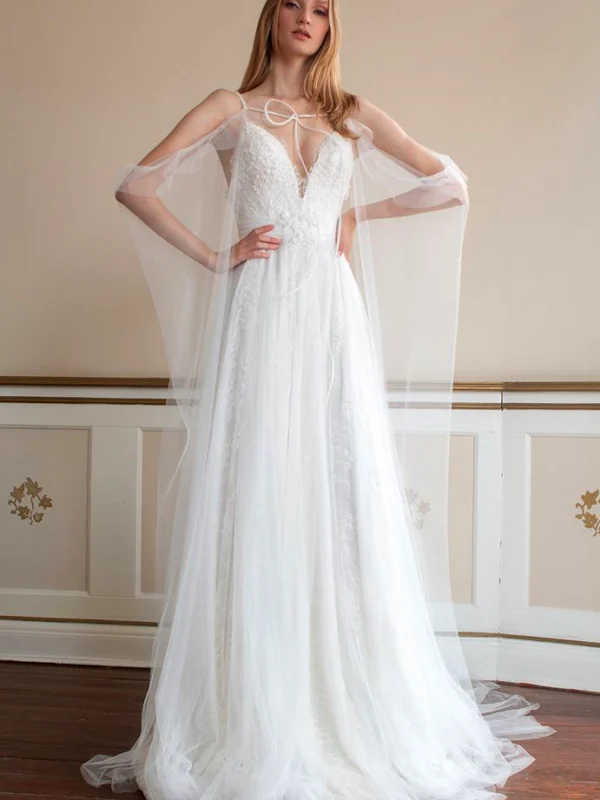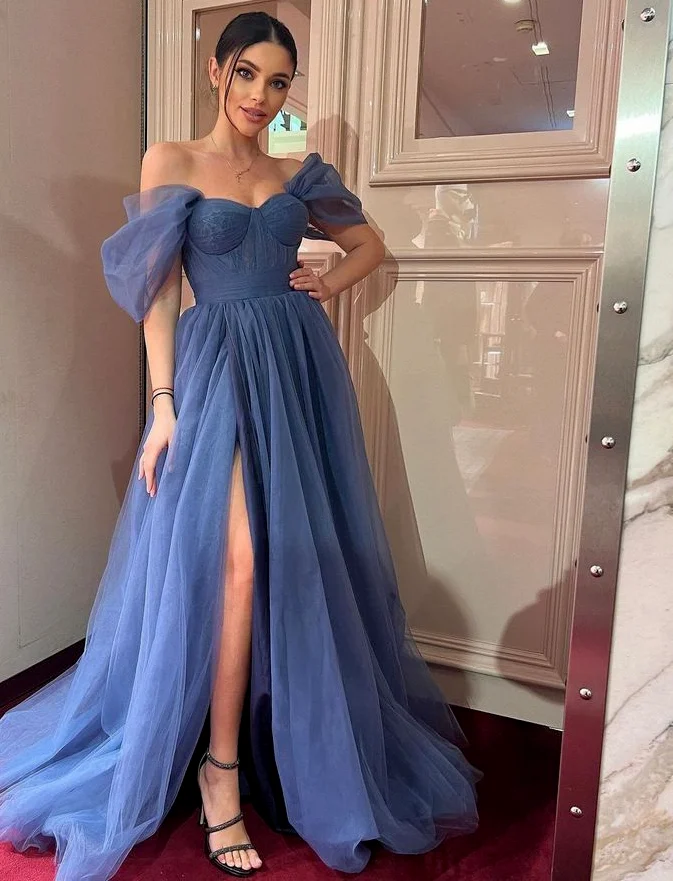
When you coordinate bridesmaid dresses, you need not select the same shape several times. A shared palette can connect different sleeves and silhouettes when that is your intention. The pictures show individual dresses in pink, blue-related shades, dark red and orange, plus a pair with a similar orange direction and different upper shapes. The photographed people’s actual wedding roles are not established; the visible garment features are used here as selection ideas. Choose the shared property you want and the personal preferences you intend to leave open before comparing real candidates through a clear common brief.
Coordinate bridesmaid dresses through one clear shared task
Begin with a short sentence agreed together. For example, long dresses within a warm colour family but individually chosen sleeves. Or a similar length with two deliberately different blue directions. Such a sentence is more useful than simply asking everything to match. Also establish who makes the final shared selection and how each person can give feedback. Different preferences can then become visible early rather than after several separate dresses have already been purchased. Photographs support the conversation but should not replace agreements that nobody has actually discussed.
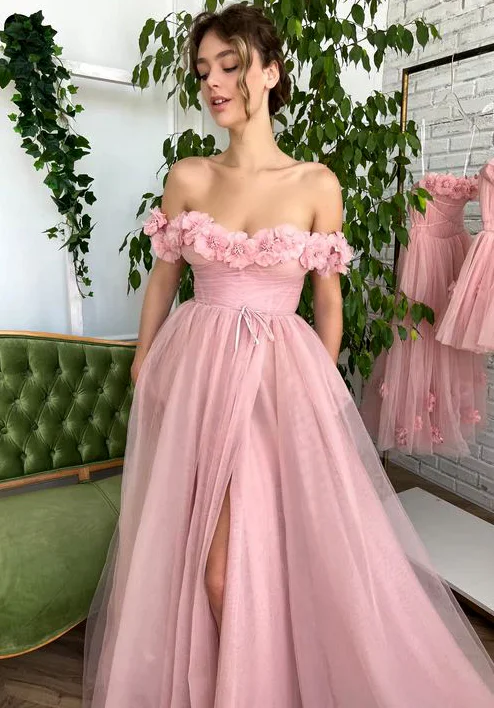
Limit the compulsory properties. Requiring identical colour, length, neckline, sleeves, jewellery and shoes leaves little individual room. That may be exactly what you want, or a smaller connection may be enough. Discuss it explicitly. Record differences you welcome too, such as a narrower skirt beside a fuller shape. Test the agreement through two concrete pictures or real garments. Their visible comparison shows whether the sentence actually describes your intention and whether further rules are needed, rather than adding restrictions simply because another detail is available to coordinate.
Choose colour as a family or a closer match
The orange pair view shows similar-looking broad colour areas with different upper outlines. It offers an idea for a shared colour direction without identical shape. The blue-related individual pictures instead differ through brightness, surface and decoration. Decide whether you welcome nearby shades or want a closer match. Both are design preferences; the photographs cannot establish a universal right or wrong. Exact shade needs the actual candidates anyway, so screen colour alone should not become binding product information or the final basis for judging a replacement.
Compare real samples or dresses together in the same light. Separate screen pictures on different days can change your memory of the relationship. Keep the background quiet for the first trial and look from some distance. Record which difference you deliberately want to retain. Wedding dress colours adds questions about colour area and light, while Bridal accessories supports shared thinking about later companions. Use the relevant comparisons rather than automatically giving everyone the same necklace or hairstyle. Those pieces can respond to the actual upper line of each chosen dress.
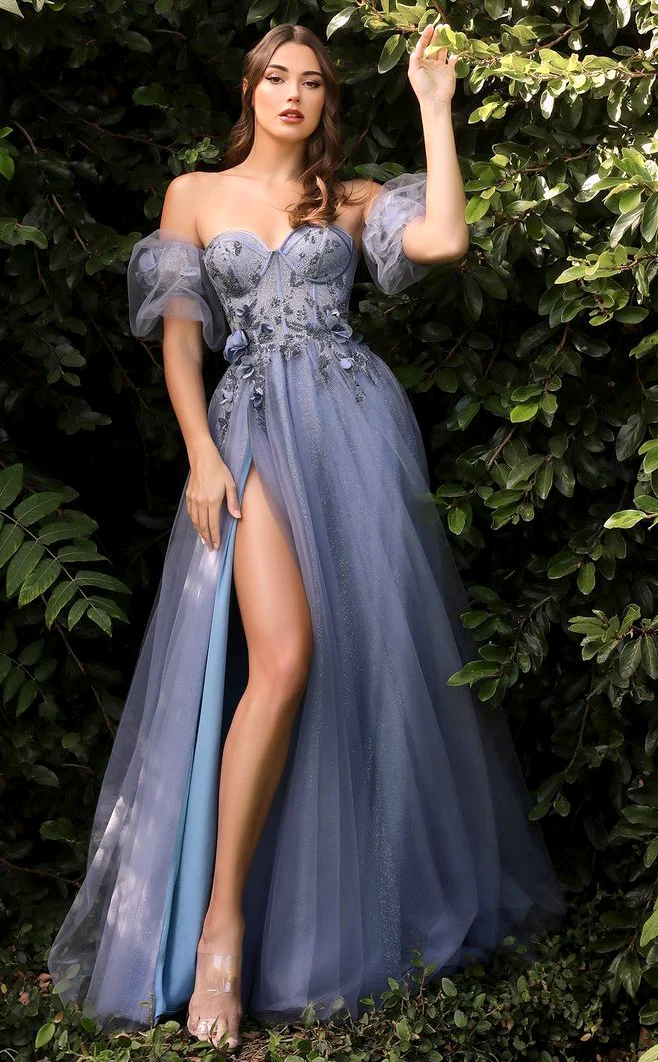
Allow different silhouettes within the connection
The dark red dress has a narrower long shape, while the pale blue example includes a substantially fuller skirt and large side sleeves. Pink floral shapes and a broad lower area create another outline. If shapes remain individual choices, compare two candidates within your colour agreement first. Decide together whether their differences read as the intended variety. The question is not which cut universally looks best, but which relationship you want to present as a group. One attractive dress alone cannot settle the complete group arrangement.
Let each person make their own movement trial. A narrow skirt and a full skirt raise different practical questions while sitting and walking. A shared length requirement does not replace that experience. If you want a similar outside effect, view hems with the actual intended shoes. Different heights and heel choices can otherwise mean an identical product name does not produce an identical visible result. Discuss specific changes on each garment rather than relying only on a shared clothing size. Personal experience and the group image both deserve a place in the decision.
Treat sleeves and shoulder details as separate choices
The orange pair reference places a longer side arm area beside a freer shoulder arrangement. The individual blue pictures range from larger loose sleeves to smaller side-volume shapes. The pink dress adds floral forms at the upper edge; the dark red example uses longer quiet sleeves beside an open shoulder line. If common colour already connects the group, those differences can deliberately remain open. Agree whether you want comparable coverage or genuinely identical outline. These are different wishes, and separating them makes individual preferences easier to understand.
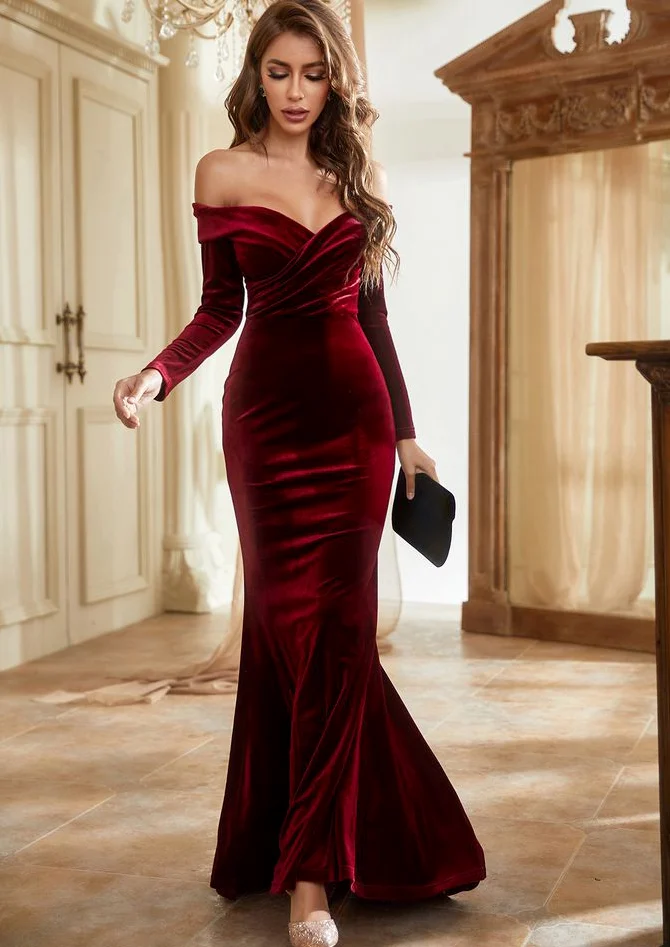
Test intended tasks such as holding a bouquet, greeting someone or sitting at a table. Each person can say which arm shape feels comfortable and which needs repeated rearranging. Combine that feedback with the group image rather than overlooking it. Add jewellery afterwards. A decorated shoulder edge may already provide substantial interest, while a quieter shape leaves other options. Try companions on each actual outfit instead of inferring the same jewellery requirement from a common palette. The visible upper area of the real garment is the more useful starting point.
Compare real offers on the same basis
Before ordering, identify missing information: actual colour, included pieces, alteration possibilities and availability of the required options. Ask for those details about the specific candidate. A photograph of two similarly dressed people cannot prove a current shared sales set. Visible pattern also cannot establish fibre or manufacturing route. You can compare colour and shape for styling, while the properties of the offered product need separate clarification before becoming part of a shared selection. Keeping inspiration and actual offer contents distinct helps avoid expectations built on unsupported assumptions.
Agree a realistic sequence for feedback and alternatives too. If one person cannot obtain a candidate or dislikes its shape at the fitting, make clear which connection the replacement should retain. A shared palette is often a more precise description than a loose inspiration photograph. Record important information and decide genuinely unresolved points together. A small change then need not restart every property from the beginning. If the original sentence still applies, an alternative can be assessed within the plan rather than rejected automatically merely because it differs.
View the group through completed individual outfits
Place the chosen dresses together with shoes and important companions. Look from front, side and during ordinary walking. A shared picture without especially dramatic posing shows the intended connection more clearly. Each person should also enjoy their own complete look. Remove an added accent temporarily if it conceals the shared property. Not every small difference needs correction; compare it against the sentence you actually agreed at the beginning, rather than introducing new unspoken expectations at the final stage.
Read each real dress’s care label individually. The GINETEX explanation of care symbols supports interpreting labels; a common colour cannot determine one shared treatment. Confirm unresolved changes directly on the relevant product. The completed group may show different sleeves and silhouettes while still clearly belonging together. What matters is that the connection was selected deliberately and that you have viewed its effect on the actual garments together, retaining individual preferences within a clear shared basis.
Agree a few shared properties and leave other decisions open. Colour, length and sleeves can be treated as separate group questions.
Frequently asked questions
Must everyone wear exactly the same dress?
No, if your shared plan allows different shapes. Specify which properties should connect and which remain individual choices.
Can a common colour connect different sleeves?
Yes. The orange pair reference shows a similar colour direction with different sleeve and shoulder shapes. Compare your own real pieces together.
Is a colour name enough for selection?
A name is a starting point. Compare real pieces or samples in shared light and decide which shade differences you welcome.