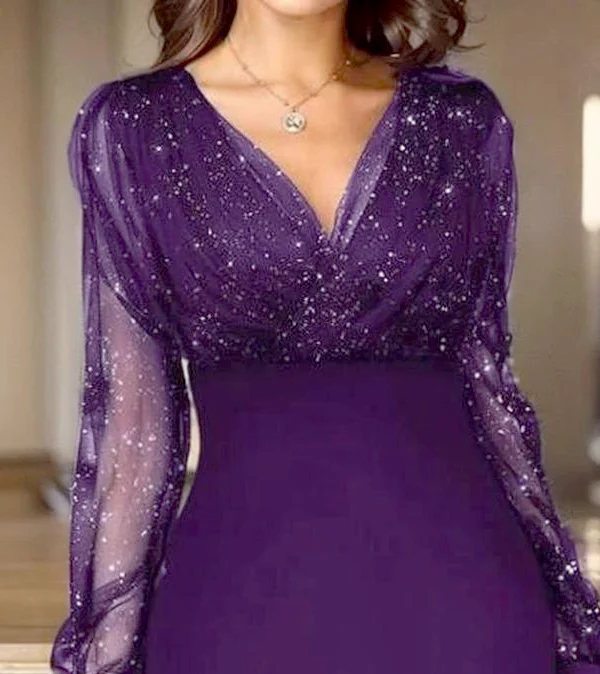
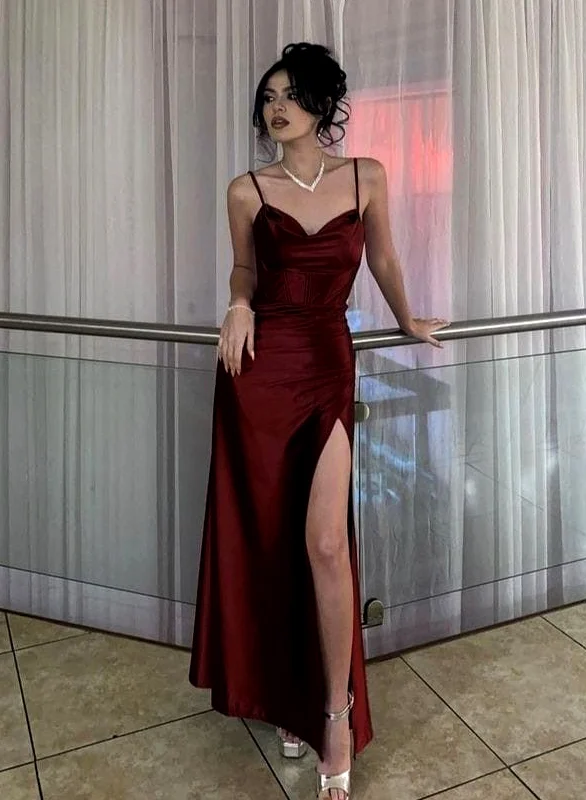
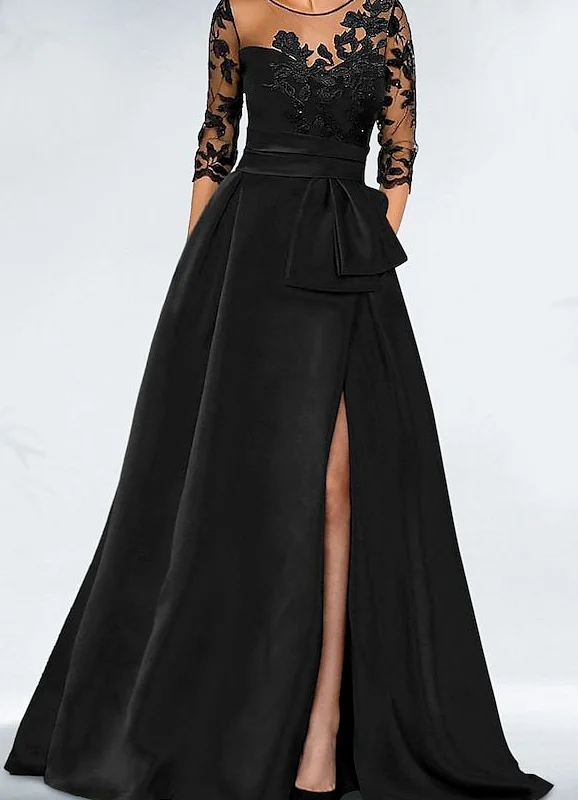
A long evening dress is more than a skirt reaching the floor. Consider where the lower shape stays close, how much fabric lies behind you and how the bodice accompanies movement. The four references offer a pink draped look, two gold-coloured dresses outdoors, a narrow long-sleeved shape and a pale look with fine shoulder lines. Compare those decisions separately. You can then choose a silhouette you enjoy without treating a spread photographic pose as a demonstration of handling through your entire evening. A preferred bodice and skirt do not need to come from the same reference.
Plan a long evening dress around the actual route
Describe the route you expect to take in the dress. Are there steps, a narrow doorway, a cloakroom and longer seated periods? Add your intended shoes to the note. This needs no elaborate timetable. A short list already identifies whether you should prioritise front clearance, a way to manage trailing fabric or uncomplicated sitting. The invitation remains the starting point for the expected level of formality rather than the photographed setting.
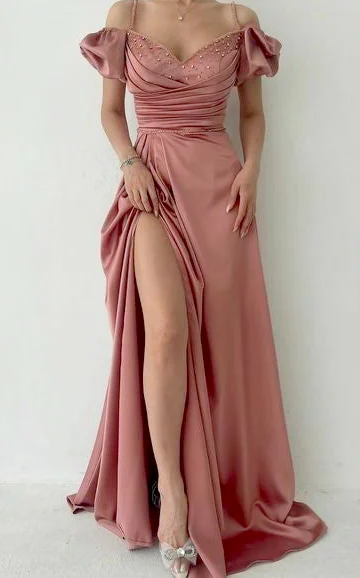
Separate front length from the fabric behind. A train may matter for your arrival while you want less fabric to manage later. Ask about an actual way to gather it if necessary and have the arrangement demonstrated. Establish that possibility on the specific model. A skirt lying on the floor in a photograph does not explain how you carry it during a change of location. If help is needed, include the person in the rehearsal.
Compare a long evening dress with a narrow or fuller lower line
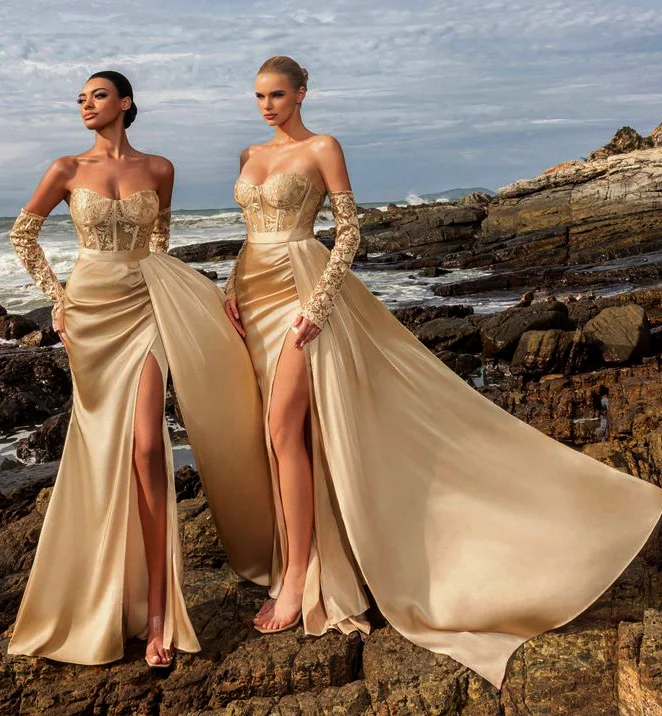
Look at the pictures without jewellery first. The gold-coloured long-sleeved reference keeps the lower outline together for longer, while other views open larger fabric areas to the side or rear. Ask where you want visible movement: from the waist, further down or mainly in a trailing section. This is a shape preference, not a rule assigning cuts to bodies. Choose two versions whose difference you can describe clearly at a fitting.
Try both with the same shoes. Walk normally, change direction and stop. Notice how the fabric distributes itself before arranging it with your hands. If you prefer a long evening dress with a closer lower outline, test your normal stride particularly carefully. With more width, watch the space beside a chair. The desired visual movement then becomes connected to actual use rather than remaining a feature enjoyed only in a standing picture.
Select neckline and sleeves independently of the skirt
The pink look has a broader falling neckline and short shoulder details. The gold long-sleeved version creates another upper frame, while the pale reference uses finer shoulder lines. Decide among these separately from the skirt. You may prefer the lower shape of one photograph and different coverage above it. Name both wishes instead of treating the entire image as the only possible combination. This gives the fitter a clearer brief.
Wear your planned underwear and test reaching forward and an ordinary greeting. Lower your arms and watch the upper edge. A decorative-looking sleeve may raise a different question during bending from an exposed shoulder area. Our corset-look evening dress guide adds questions about the bodice. Use it to discuss support and alterations on the real model; the visible surface alone does not explain its internal construction.
Check openings and seated length in ordinary posture
A larger leg opening contributes to the pink reference and the gold outdoor looks. Try a similar opening during normal walking and sitting. Decide the coverage you want yourself. A deliberately extended photographic step is no measurement for your use. Include a relaxed side view in the comparison. If you want an adjustment, have the proposal shown on the actual dress rather than assuming that the photographed opening translates directly to your proportions.
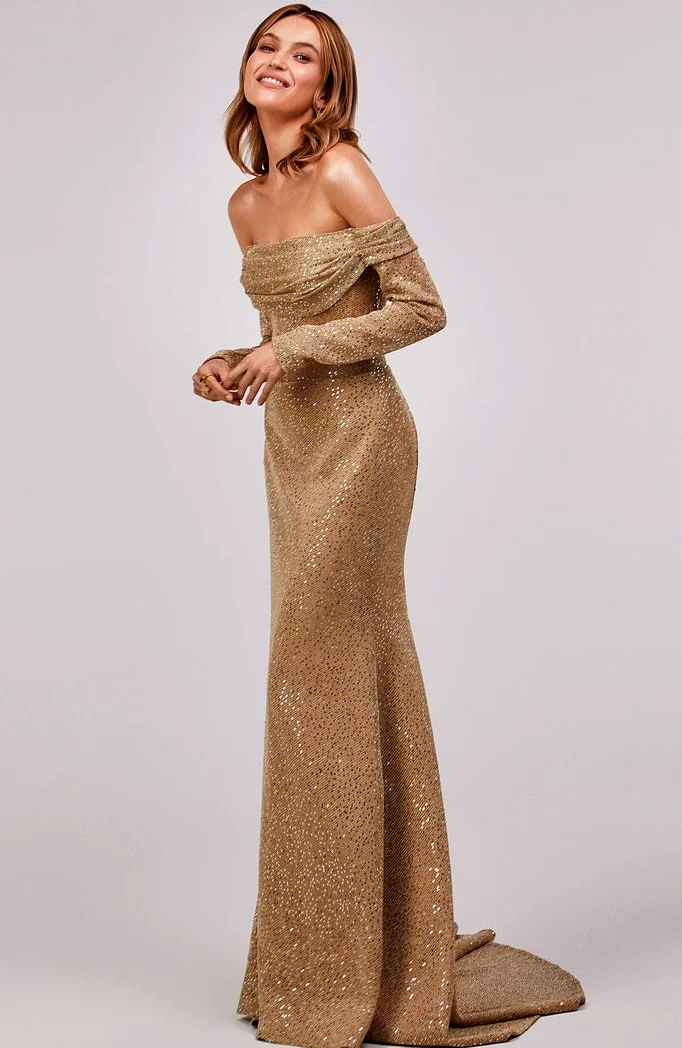
A skirt without an obvious slit also needs a seated comparison. Sit on an ordinary chair, stand and inspect the hem before correcting it. Include your bag so that both hands are not automatically available for the dress. Ask whether you want to manage the chosen structure this way. A long evening dress with more fabric may behave differently from a narrower option even when you like both standing pictures. Keep both results in your notes.
Add outerwear and transport before the final fitting
Actually wear the jacket, wrap or coat over the dress. Compare it open and closed, then sit. The shoulder area needs to fit underneath, and you should enjoy the outer layer’s length with the skirt. Arrival and the indoor event can have different effects. What helps is being able to use the added garment without continually rearranging it and knowing where it will go after you take it off.
Discuss how the dress reaches the venue as well. Ask the provider what support or packing is appropriate for the actual model and how it should be prepared before dressing. A long skirt also needs deliberate handling when changing clothes. Allow space for that and rehearse any agreed train arrangement with the person helping. A short note about the sequence makes the information usable later instead of leaving the question open just before the celebration.
Judge colour and accessories across the whole garment
The references offer pink, gold tones and a paler reflective look. Compare your preferred colour in similar light before choosing additional accents. Then decide whether neckline, skirt movement or surface should lead. Add earrings, necklace and bag individually. A reflective long evening dress requires no fixed quantity of jewellery. You are choosing a relationship between areas that you enjoy and that remains understandable within the complete outfit, rather than filling every available space.
Our evening dress with ruffles comparison offers another distribution of movement. Set a quieter version against a more divided one and use the same existing accessories where possible. Record which detail you deliberately keep visible in each. An attractive bag alone is no reason to pair it with the dress: test carrying position, contents and the arrangement during dinner as parts of the decision.
Record length, alterations and care together
Choose the finished hem with your intended shoes. Have bodice, opening and lower-edge work explained separately. Ask where the alteration happens and what the result should look like. Arrange a final fitting where you walk and sit again. You then assess the relationship between shape, footwear and ordinary movement under the same conditions, rather than checking a measurement alone. If shoes change later, repeat the relevant part of that comparison.
Read the actual garment’s care label. GINETEX explains the care symbols; a shiny photograph supplies no separate washing, pressing or steaming instruction. Keep composition, care and alteration notes together. The choice then rests on a clear lower line, suitable upper section and a length you have tried yourself. An expressive entrance and a manageable evening can become parts of the same deliberate outfit decision.
Compare narrow and fuller lower lines when choosing a long evening dress. Test the hem, train, seated position and shoes together before adding accessories.
Frequently asked questions
Does length alone establish the right silhouette?
No. Compare where the skirt widens and how much fabric lies behind. Bodice and sleeves are separate decisions.
How should I test a larger leg opening?
Walk and sit in normal posture with your shoes. Include a side view and decide the coverage you want.
Can I assume a train-gathering arrangement is included?
No. Ask about the actual solution and have it demonstrated with any person who will help.
When should I decide the hem?
On the actual dress with planned shoes. Repeat walking and sitting under the same conditions after alterations.