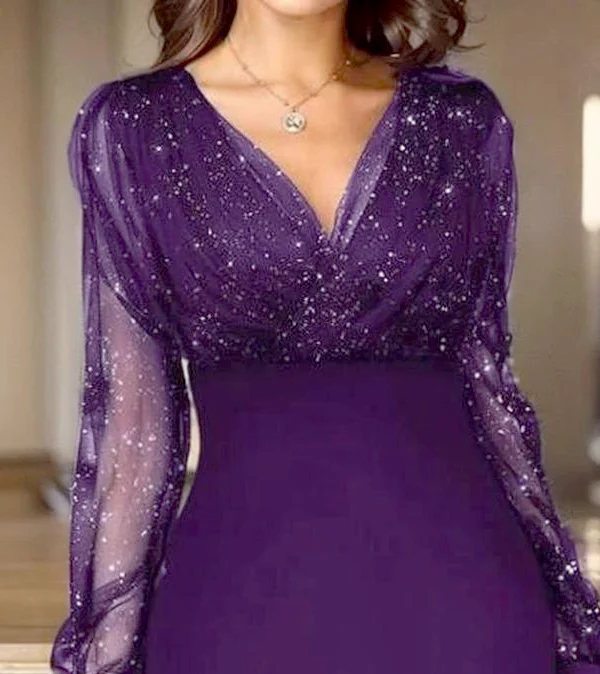
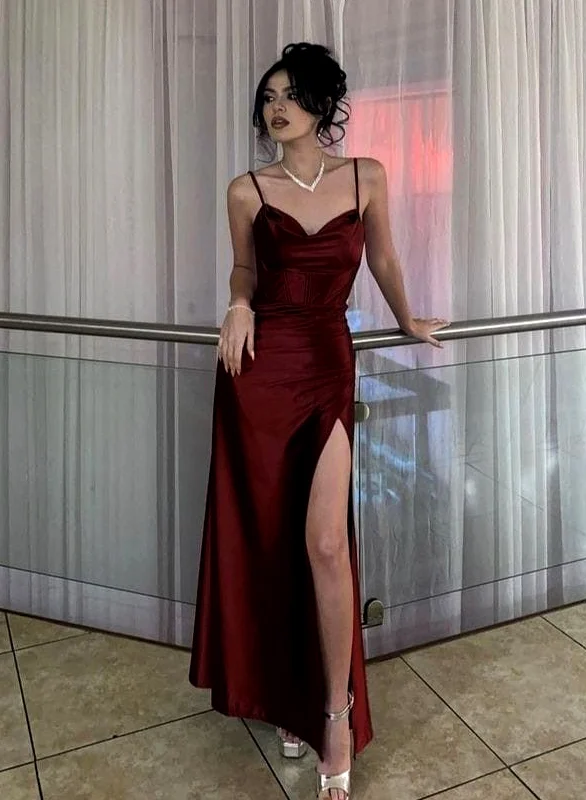
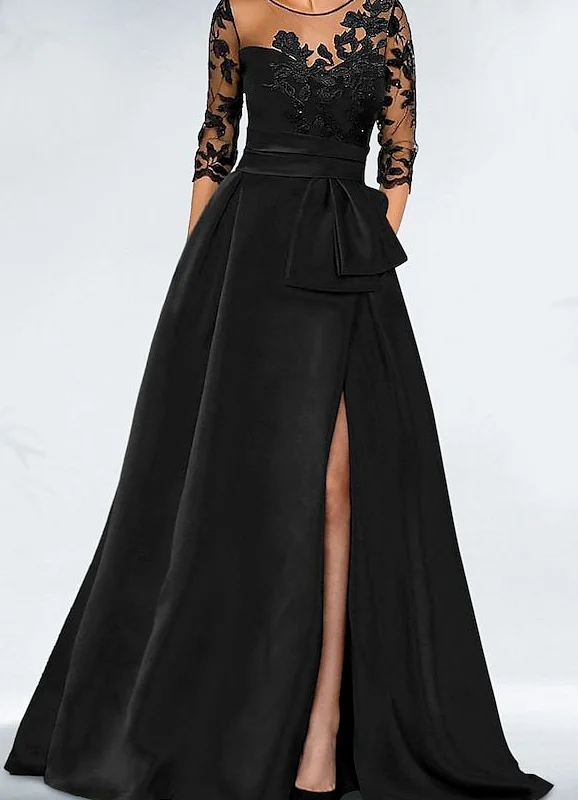
An opera evening dress can be a personal way to mark a special night, but you should first check the actual house and event. A regular performance and a separately specified gala need not have the same expectations. The Vienna State Opera says an evening dress is not generally required, while its practical guidance asks guests to consider close seating. That example cannot define every venue’s policy. Start with your ticket information, then choose the level of formality you enjoy. The four references offer long skirts, shoulder details and different distributions of volume. They help with comparison, rather than proving that a particular gown is required for admission.
Plan an opera evening dress around the real event
Read the venue’s current visitor information and any conditions attached to your invitation. Check the performance time, your seating arrangement and the route you expect to take. If an event is advertised with a particular dress code, clarify unfamiliar wording with the organiser. Avoid turning a photograph of a grand building into a rule about clothing. Decide whether you want a deliberately dressed-up evening or a simpler outfit that still feels appropriate to you. Having that decision clear makes the next comparison useful: you can evaluate a dress for this performance rather than for an imagined universal opera standard.
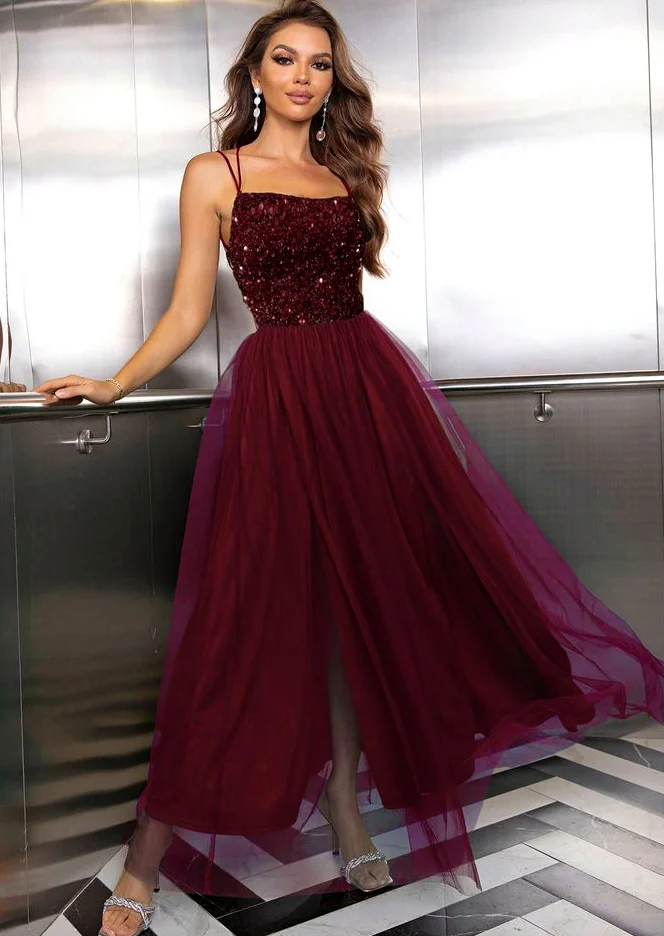
Opera evening dress: compare skirt volume while seated
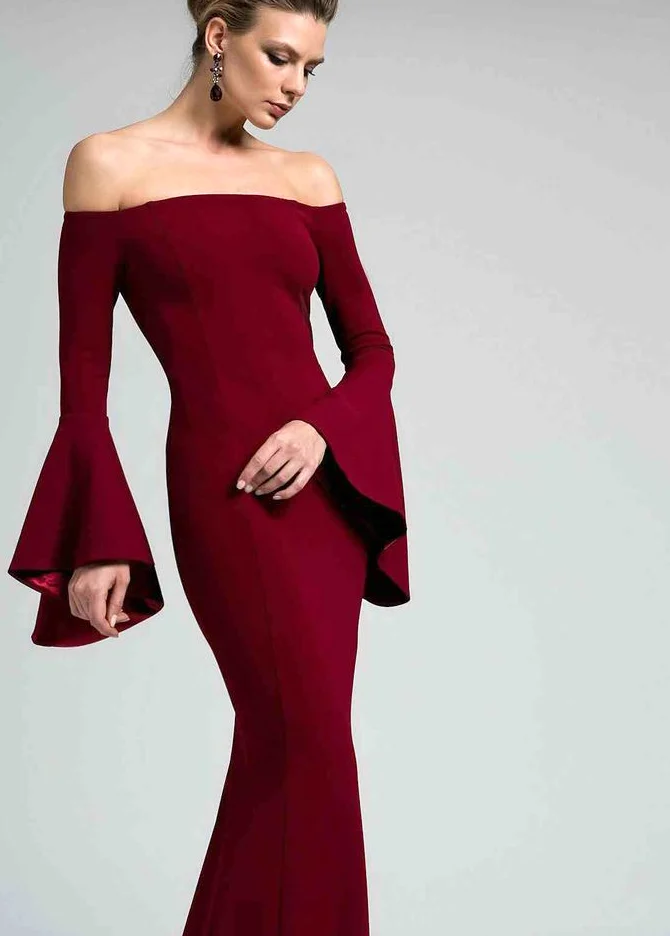
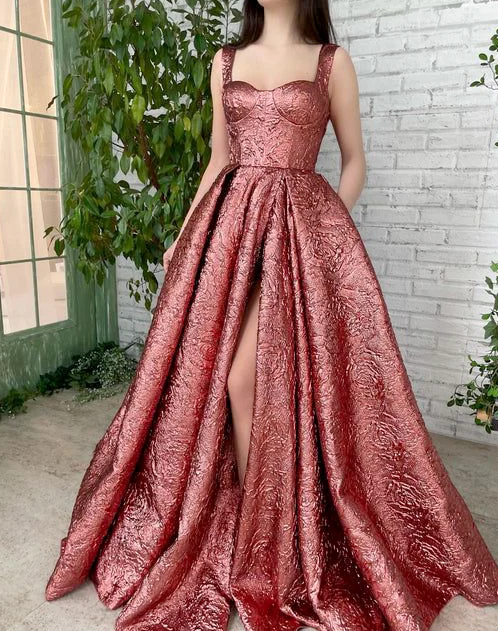
The burgundy dress with fine straps and the pink-toned wider skirt occupy space differently from the narrower gold reference. Look at how a similar skirt falls beside a normal chair before carefully arranging it for a photograph. Sit, stand and turn as you would when reaching your place in a row. The relevant question is whether you can handle the fabric while keeping it within your own space. For an opera evening dress with a broad hem, practise gathering only what you need for a step. More volume may be the appearance you prefer, but it should be part of the handling plan rather than a surprise at the venue.
Treat slit and hem as separate decisions
The pink reference shows a leg opening within a broad long skirt. The burgundy narrow design relies more on its continuous line, while other examples show different lower arrangements. A slit does not automatically solve walking or seating. Test the actual opening with your normal stride and check the hem in the shoes you intend to wear. Try a stair if your route includes one. If shortening is needed, have the work assessed on the real garment. A posed leg and a skirt spread on a floor are useful design references, but cannot provide a measurement or show how the same shape behaves on another wearer.
Test sleeves and shoulder lines with an outer layer
One burgundy example has long sleeves widening near the wrists, while other dresses expose more of the shoulder and arm. At the fitting, reach for a bag and bend your elbows as you would when holding a programme. Check where wider cuffs fall. Then put on the coat or wrap you intend to use for travel. The combination should be possible to manage without repeatedly repositioning the neckline. If you plan to leave outerwear at a cloakroom, practise removing it comfortably. Keep the dress visible beneath it rather than deciding the whole outfit from a coat held loosely against one shoulder.
Keep jewellery and bags practical beside the seat
Choose jewellery after the neckline is settled. Compare what happens when you turn your head and when an earring meets the shoulder detail. A bag should hold the essentials you plan to bring and be manageable without spreading into the neighbouring space. Check the specific house’s rules for larger items rather than assuming every bag will be allowed into the auditorium. The Vienna State Opera’s practical information, for example, directs bulky items and outerwear to its cloakrooms. Use that as a prompt to check your own venue. Your opera evening dress should work with the actual bag arrangement, not only with a small decorative prop in a reference image.
Rehearse arrival, interval and the return journey
Try the complete outfit through several transitions. Walk in your shoes, remove the outer layer, sit, stand and put the layer on again. If you expect to use public transport, include the distance and any steps between transport and venue. If you plan different shoes for travel, test both with the dress because heel height can change hem clearance. Decide where the unused pair will go. This is also the moment to check what you will carry during the interval. A comfortable plan for moving between places matters as much as the still appearance you enjoy in the mirror.
Use colour and surface as deliberate choices
The references include deep red, pink and gold-toned surfaces. Compare the complete colour area before adding contrasting accessories. A reflective or patterned surface may already provide the main feature you want. Examine the real garment in ordinary indoor light and from a normal distance, without assuming a fibre or quality grade from shine. For an opera evening dress with pronounced surface detail, first try quieter additions, then compare a stronger accessory if you prefer it. Neither choice is compulsory. Keep one version unchanged while adjusting the other so that you can tell which difference makes the outfit more convincing to you.
Finish with garment care and a complete decision
Read the actual care information before planning cleaning or pressing. GINETEX distinguishes washing, bleaching, drying, ironing and professional textile care; a formal appearance does not supply a universal treatment. Our corset-look evening dress guide adds upper-shape comparisons, while evening dresses with ruffles offer further volume ideas. Check the Vienna State Opera’s practical information for that venue and the GINETEX symbol guide for care categories. Then choose a complete outfit whose appearance, seating and journey you have considered together. The performance remains the occasion; the clothing should let you take part without unresolved practical questions.
Choose an opera evening dress for the actual performance and journey. Compare skirt handling, sitting, sleeves and shoes in the complete outfit.
Frequently asked questions
Is an evening dress required at every opera house?
No. Vienna State Opera does not make it a general requirement. Still check current guidance for your own venue and event.
What should I test in a wide skirt?
Sit on an ordinary chair, stand and move through a narrow gap. Assess handling within your own space.
Why include a coat at the fitting?
Test putting it on and removing it over the actual sleeves and shoulder line without repeatedly resetting the neckline.