A reflective-pattern evening dress can show large flowers, dense small points or rows with a clear direction. When searching for a sequined evening dress, distinguish confirmed product details from this visible drawing. These six references show patterns without establishing a shared type of decoration. Start with how the forms travel from the front through the waist and down the skirt. You can describe a precise visual preference without deriving the same manufacture or fibre from every bright point. Large motifs, small repeats and changes in direction can remain separate choices.
Choose the scale of the visible motif
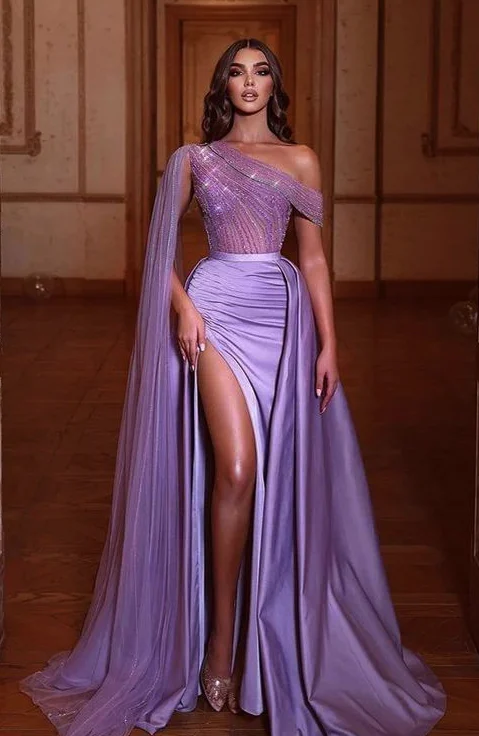
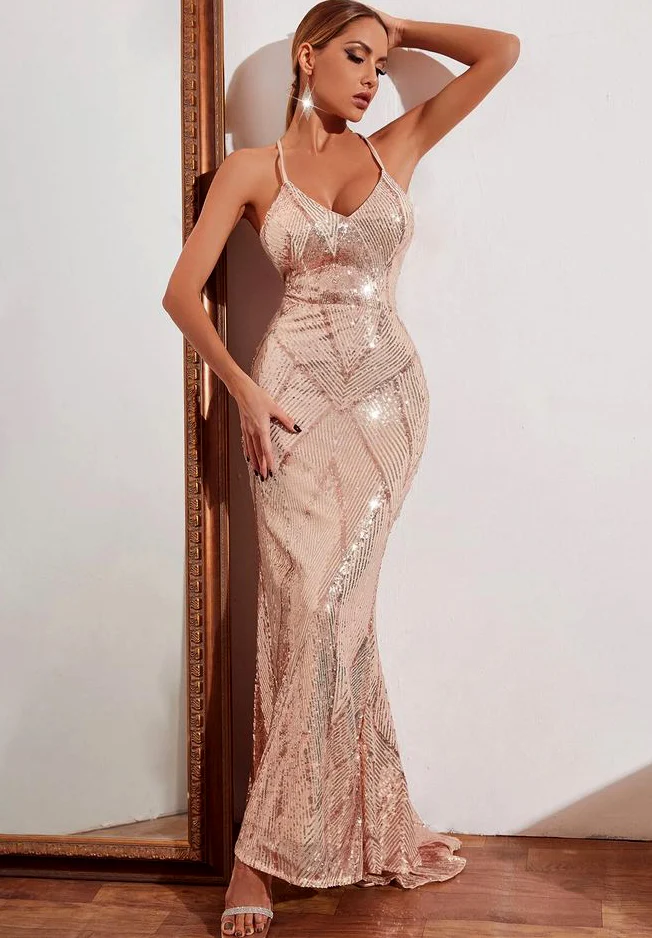
Place the pinkish floral front beside the finer pale silver-looking surface with a high leg opening. Individual flowers and curling forms are readable in the first. The second skirt area looks denser and smaller in scale. Do you want to read separate motifs or a more continuous drawing? That decision differs from choosing pink or silver. To isolate pattern size, look for a similar colour in the actual candidates you try. Keeping one feature comparable can make a change in another easier to judge.
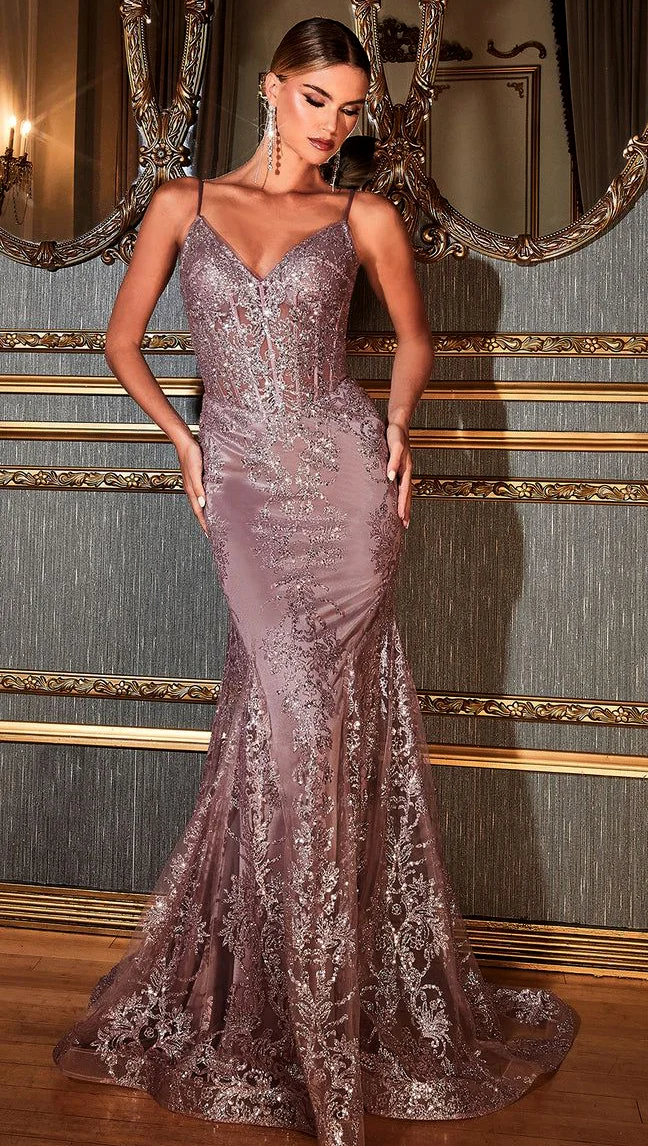
Look at the same area close up and from conversation distance. A motif may merge with neighbouring shapes from farther away. Keep the whole skirt in view too. Large flowers at the lower edge can sit beside a quieter hip area; a dense upper section creates another distribution. Write down the exact region you mean. Asking for a highly decorated dress does not yet explain whether you want large readable shapes or small repeated elements. Comparing the same region in the next candidate keeps that choice useful.
Follow the direction through the centre
In the original pinkish reference, diagonal lines reach a downward-pointing centre below the waist. Other long directions continue farther down. Lines also gather towards the middle in the close mirror picture, then open into longer wavering paths. Use these as distinct comparison tasks. Do you want a clear turn at the waist or a more regular continuation? Similar colour does not make the arrangements identical or establish a shared product range. Keep your preferred drawing separate from the identity of the actual dress.
Follow a visible line to its end without completing the missing part yourself. Ask for an appropriate side view of the real garment. A point may be clear at the front and become a different arrangement at the side. If direction matters to you, note it in the whole view. Describe the diagonal or vertical path you prefer without promising a particular change to body shape. A visual preference does not need that guarantee. Look for this exact boundary in two actual candidates rather than choosing by a general effect.
Treat the waist as a connection
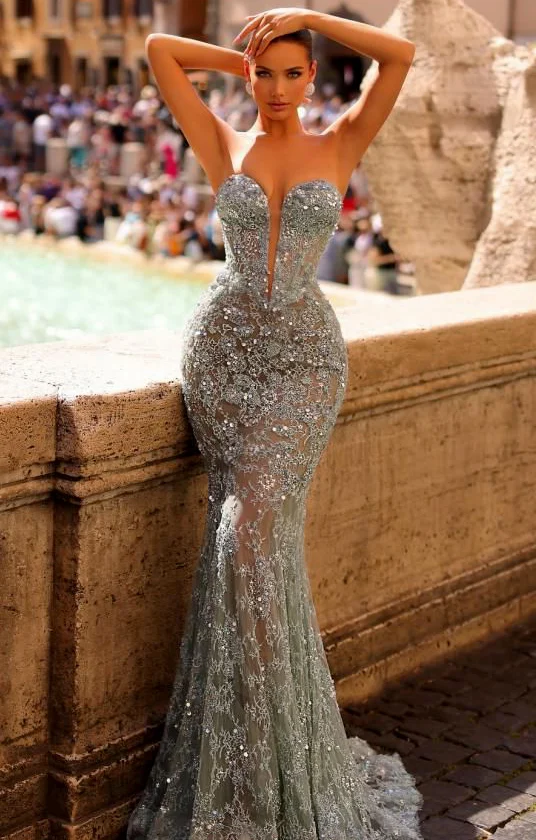
Small bright details are concentrated in the upper part of the pinkish floral front, with larger motifs continuing below. Additional diagonal gathers begin at the hip of the pale fine-strap dress with vertical upper lines. Pattern and folds provide different visible information here. Should the drawing restart at the waist or travel through it? A distinct boundary does not prove that the upper and lower parts are separate garments. Ask about the real construction of the offered model instead of treating the visible transition as a construction answer.
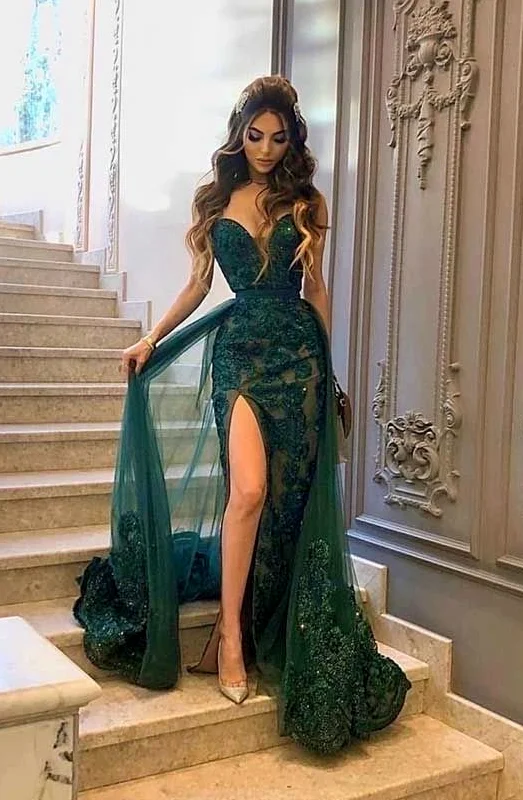
Compare that connection with your hands relaxed. Both hands meet at the front waist in the more ornate directional reference and cover part of the centre. In the original pinkish reference, one hand is lower beside the hip and the other is behind the head. These poses affect which parts remain visible. Add a clear front view of your actual candidate as a starting point. Then try your bag so you can see what it covers without confusing that obstruction with a missing motif. Do not borrow an uncovered area from another dress.
Choose the upper edge alongside the drawing
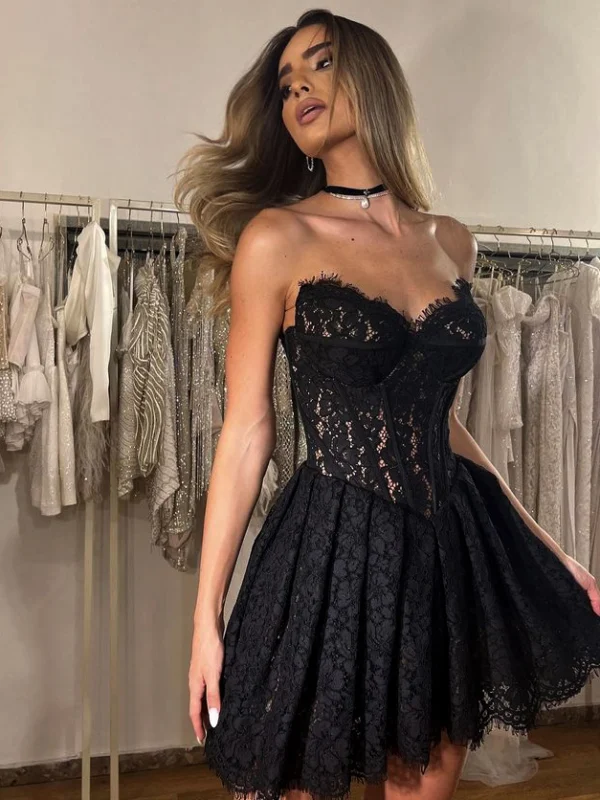
The silver-grey bare-shouldered front has two rounded upper areas and a deep narrow central opening. The pinkish fine-strap shape follows a V. Another close front shows a flatter rounded edge. An interest in reflective pattern does not determine one neckline. Choose the outline first, then examine where its motifs end. A large leaf at the edge has a different visual role from small points across the upper surface. Describe these as two details instead of grouping them under a single request for more decoration.
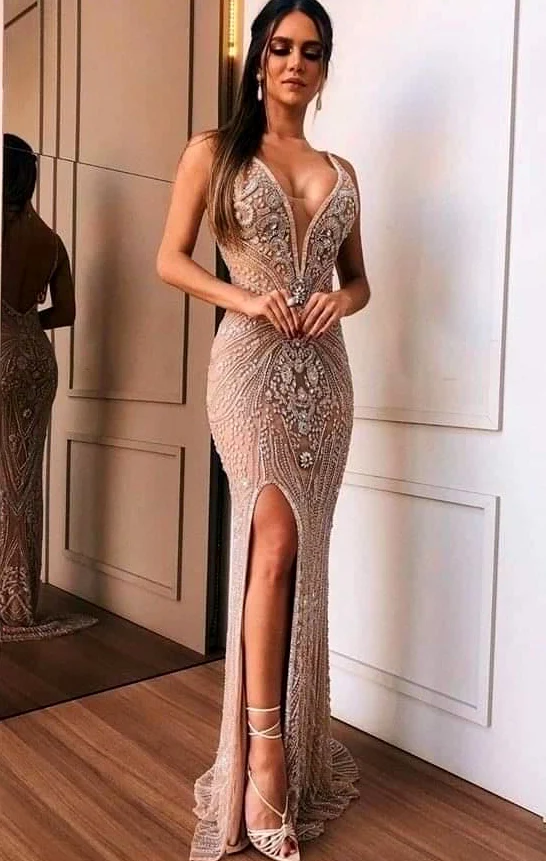
Try your hairstyle with one piece of jewellery. The phone in the mirror picture covers part of the face; your own phone-free view completes the relationship between neck and earrings. The ornate deep-V reference has another strong central line. Decide whether a pendant should add a further line there. The statement evening dress jewellery guide develops that practical question without requiring a fixed number of accessories. Seeing the same candidate with and without the piece can provide clearer information than a separate jewellery photograph.
Complete the opening and the lower edge
Two front views show a high leg opening with visible footwear. One opening sits beside a dense small-scale pattern, the other beside long ornate directions. Compare the area along the leg first. Do you like the drawing continuing to that edge? Independently, do you want an opening of a similar height? A photograph does not establish alteration options. Show the intended result to the specialist and ask how the motifs and side folds would change. Liking the opening does not automatically mean choosing a change to the rest of the drawing.
Let both sides fall in the actual dress and walk in your planned shoes. Look at the lower edge before spreading it again. The long mirror view shows many lines but leaves some floor contact unclear. The original pinkish shape includes footwear and additional rear fabric on the floor. Use the same shoes and skirt angle when comparing your two actual candidates. The evening dress shoe comparison helps separate open straps from a closed toe as a decision beside the pattern.
Confirm the actual decoration before changing it
The Metropolitan Museum record for a Traina-Norell evening dress explicitly lists silk and sequins. That information describes the museum object; it does not identify these patterned references. Turn this clarity into a question for your own offer: which actual decoration is used in each area? A visible line does not explain attachment or repair. Have the intended change explained on the real garment. Once that information is available, assess the same candidate against your visual preference.
Finish with three features: readable motif size, preferred direction and the transition at the waist. Add the real lower edge in your shoes. The long evening dress guide completes the whole-length decision. For cleaning and ironing, follow the chosen garment’s label; GINETEX explains care symbols. A reflective drawing does not reveal a suitable treatment. Combine a specific visible preference with confirmed product information instead of ordering only a similar bright surface. Assess the next suggestion using the same three features.
Choose motif size, preferred direction and the connection at the waist. Add missing angles and confirm the decoration on the real offered dress.
Frequently asked questions
Does reflective drawing establish sequins?
Reflective evening dress drawing shows a visible pattern without confirming one shared sequin type. Confirm the actual decoration in the product details.
Must large flowers be chosen in the same colour?
Large evening dress motifs can be chosen separately from colour. Compare similar tones in real candidates when you want to isolate motif scale.
Do vertical upper lines establish internal support?
Vertical evening dress lines do not establish particular internal support. Ask about real construction without treating the drawing as functional evidence.
Can a small mirror area replace a full rear view?
A limited evening dress mirror view cannot replace a complete matching rear photograph. Request that view of the same actual candidate.