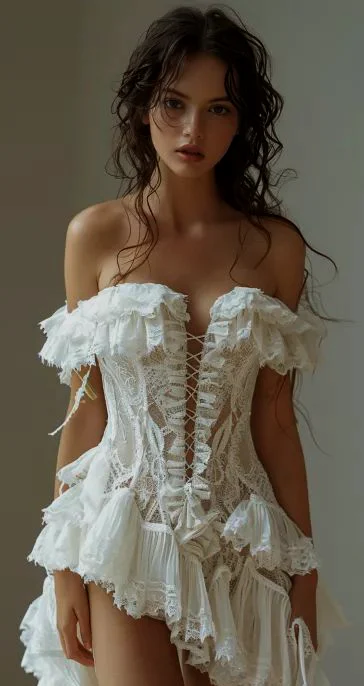
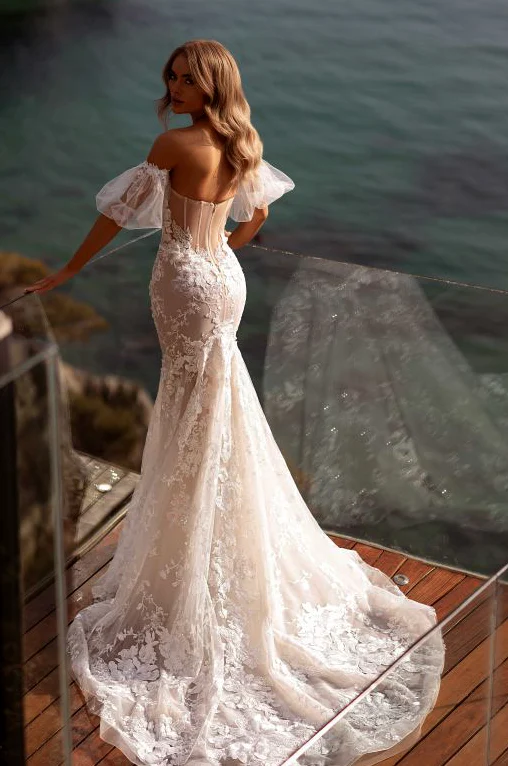
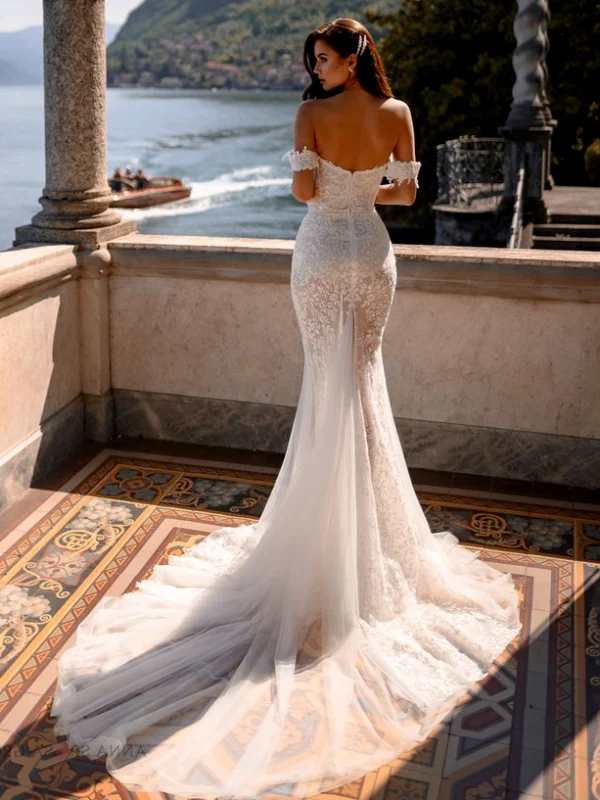
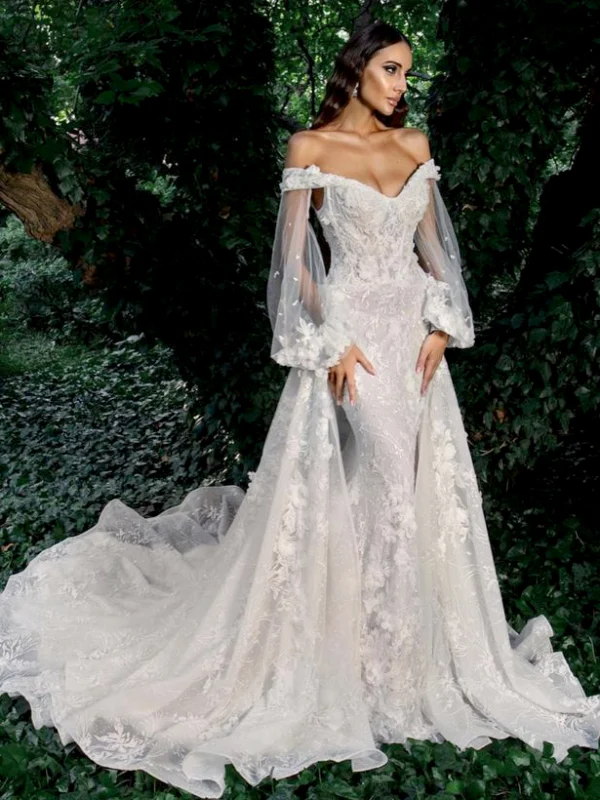
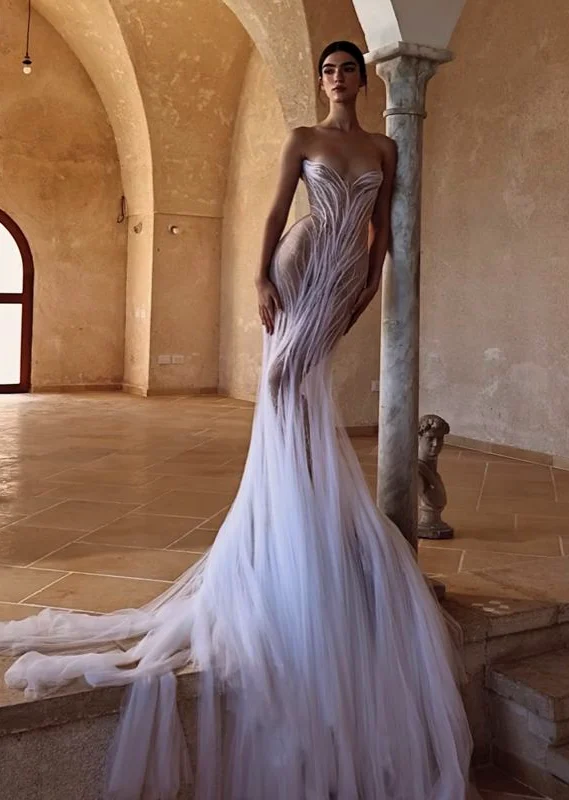
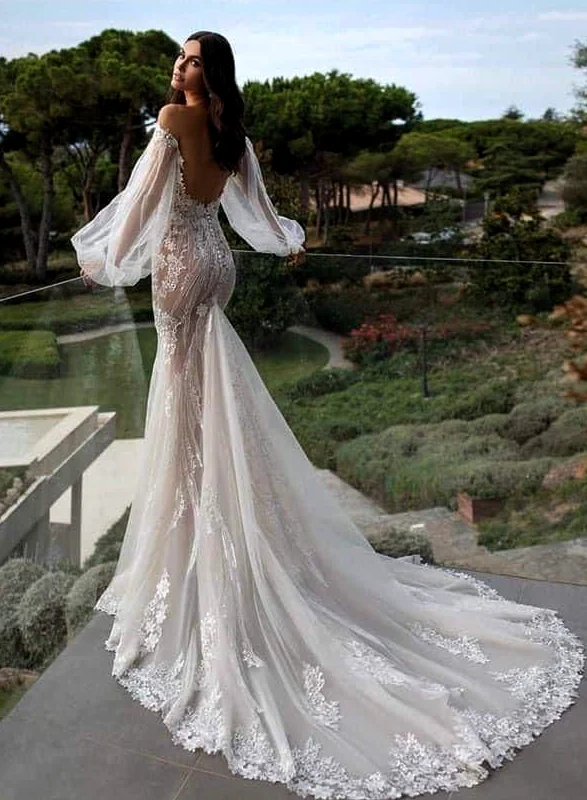
These style references for a vintage purchase show different preferences that can become a precise enquiry. The closer front with ruffles and ribbons emphasises their placement. Two long rear views introduce different upper openings and patterned lower areas. Another front combines loose long sleeves with a closer body line. The sleeveless option supplies a direct contrast, while the last back introduces a strongly curved patterned border.
Guide to comparing these images
Connect picture preferences with missing views
Choose one property first. For an actual offer, request the corresponding complete view and close pictures of that particular area. Someone seeking loose sleeves needs different additional measurements from someone whose main preference concerns the lower finish. These photographs are not matching front and rear views of one dress, so they cannot jointly describe a complete product.
Keep provenance as another question: what supports the age description attached to the item for sale? Add current dimensions and condition information. The gallery can make your design request more specific without replacing those checks. A newer design remains a possible choice when the visible form matters more to you than owning an older original.
For the upper line, place the two backs with short side arm pieces beside each other first. The rounded short sleeves accompany a relatively straight upper back edge partly covered by hair. The other short shoulder-band arrangement has a shallower curved finish. Both differ from the deeper rounded opening in the final photograph with loose long sleeves. Describe each visible edge height individually instead of collecting all three backs as equally deep.
The closer ruffled front supplies different information from those long views. Crossed cords and side ribbons are visible, but the whole hem is not. Longer curved motifs instead lead into a broader lower shape in the strapless comparison. Choose an upper detail preference and a length question separately. Both need showing on the same actual offered garment before you assume their connection rather than borrowing another photograph’s lower section.
Record one missing view for the picture you prefer. That may be the entire lower finish for the ruffled front or the matching front for a rear view. Add current condition photographs of the particular edge you want. A spread rear patterned area shows distribution without establishing its present condition or date.