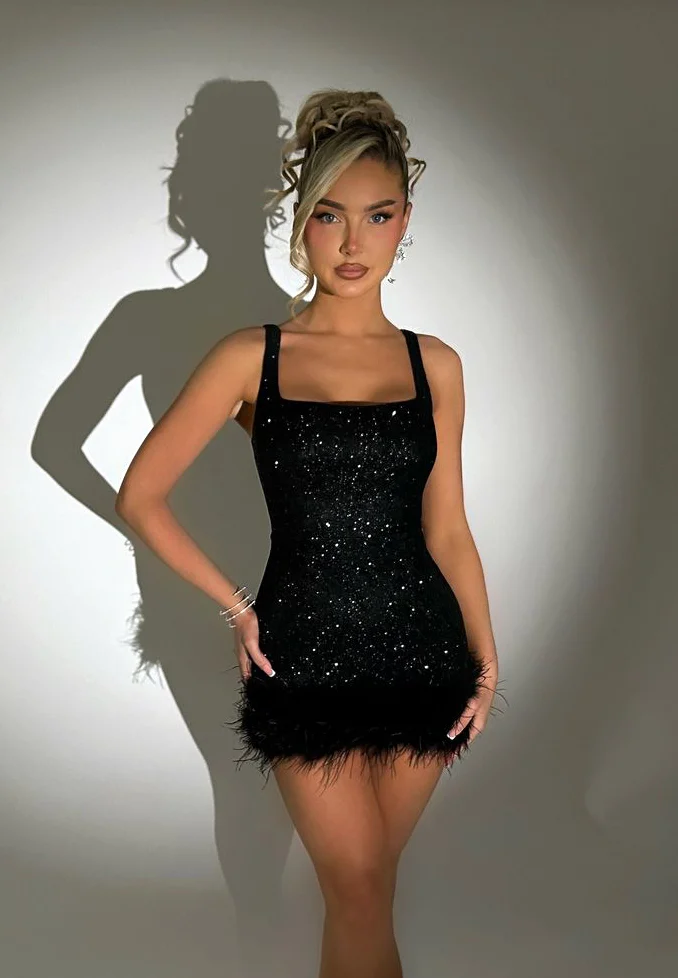
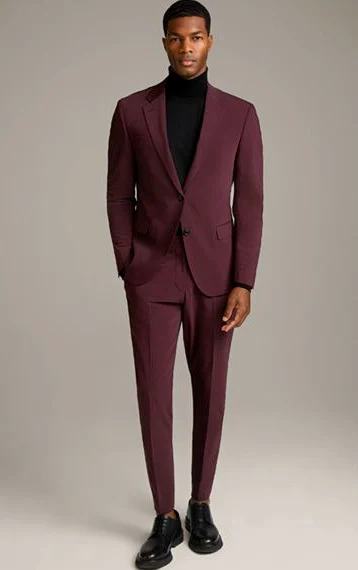
A disco outfit begins with the evening you actually plan, not an assumed decade or a copied photograph. The black mini reference has broader straps, a rounded-square upper line, many fine reflections and a short projecting feather-like lower edge. A separate burgundy jacket-and-trouser combination offers a quieter tailored contrast. Neither image documents a disco visit, identifies a historical collection or guarantees venue admission. Use the visible differences to select a leading shape, then check the real garments and accessories you intend to wear together.
1. Read the invitation before choosing the silhouette
Find the actual organiser’s clothing information for your date. A themed private invitation and a named venue may ask different things, even when both use party language. Record the exact requirement and ask the responsible organiser about anything unclear before making a purchase for that night. A garment’s pictured background does not confirm that it meets your destination’s conditions. Treat the quieter tailored image as a comparison of visible form, not automatic evidence that a suit is suitable everywhere.
A named example makes the boundary concrete: fabric London’s own FAQ excludes business suits, flags and glowwear. That statement belongs to that venue and does not set a universal rule for discos or other parties. It identifies neither of these outfits. Check the current information for your own event instead of treating a familiar style label as an admission guarantee. Keep an organiser’s reply alongside the specific combination you have discussed if a detail needs clarification.
2. Choose the main surface and colour relationship
The mini concentrates small bright points across a close-fitting black body and adds a projecting short lower border. The separate tailored reference uses larger quieter burgundy areas around a black high-neck inner top. You can choose a small repeated reflective-looking detail or a broad colour area as your leading feature. Neither preference supplies a fibre declaration, proves sequins or establishes stretch. A photograph shows a surface in one lighting arrangement rather than its appearance under every other light.
The statement party dress guide helps keep one selected focal area clear. Try the actual candidate in ordinary light before adding a bag, jewellery or an outer layer. Compare the whole upper and lower shape, then look closely at the decoration you want. If a seller names a material or applied trim, ask for information about that exact version. Do not turn the black hem’s feather-like appearance into an established feather type or a shared construction with another dress.
3. Compare upper borders with the planned hairstyle
The black mini has broader shoulder straps beside a rounded-square upper edge, leaving the upper chest exposed. Its pictured curly updo has longer loose side strands beside pale ear accents. The burgundy comparison instead frames a black high neck with the jacket’s front edges. These are separate relationships between garment and face. They do not establish warmth, inner support or whether a different upper piece would fit under the jacket. Identify the border you want before copying its accessories.
Try your intended hair arrangement with the actual upper line, then add ear jewellery. Turn your head and move your arms as you plan to during the evening. Observe where hair and jewellery meet the garment rather than assuming the pictured styling is required. Request that same garment’s own rear and sides if they are absent. A front with broad straps cannot describe its hidden rear fastening, just as a jacket’s front opening cannot show the construction of its inner top.
4. Establish the complete lower length and footwear
The mini ends higher on the legs, with a darker projecting feather-like trim at its short lower edge. Its frame omits the lower legs and footwear. The burgundy reference continues into separate trouser legs and includes black lace-up ankle boots. Those different crops cannot tell you which shoes accompany a purchase or what length another person should wear. The short or long party dress comparison helps keep the actual endpoint separate from a striking upper view.
Request a complete view of your selected combination in the intended shoes. Stand normally, walk, turn and sit before checking the lower edge again. In the mini photograph one hand touches the short hem while the other is at a hip; that arrangement is not a guarantee of coverage during your own movement. If altering a decorated border is proposed, have the real piece assessed with its attached trim. See the whole finished result again rather than judging only the newly worked edge.
5. Treat an extra jacket and accessories as real pieces
The burgundy jacket and trousers make a useful reference for a quieter colour block, but they do not prove that this jacket belongs over the mini. If you want an outer layer, try that actual layer with your own dress. The party outfit with a blazer guide adds questions about the front border, arm area and whole length. Move your arms with both pieces on and inspect the rear, rather than judging each garment in isolation.
Add a bag in the position in which you plan to carry it. Then compare one jewellery choice at a time with the real upper edge. Wrist bands, ear accents and shoes in the images are neither mandatory nor confirmed as supplied. Ask which pieces the offer actually includes and keep separate products identified. A close-fitting silhouette does not promise comfortable movement, and a quieter colour cannot establish that a different combination satisfies an event’s requirements. Confirm those questions through the actual offer and complete trial.
6. Confirm care and retain the final combination
Use the finished garment’s own instructions for treatment. GINETEX explains textile care information; the relevant directions include finishes and attached details. A reflective-looking surface does not specify a cleaning process. Keep the instructions for any separate jacket or trousers as well. After the complete trial, record the actual pieces, intended shoes and any unresolved question. Your disco outfit can then express a chosen visual preference while remaining grounded in a real invitation, explained construction and a combination you have tried yourself.
A black reflective-looking mini supplies a short decorated reference beside a quieter burgundy jacket-and-trouser comparison. Neither picture proves an event, a historical era or admission to a venue.
Frequently asked questions
Do these photographs document a disco outfit at a particular event?
These disco outfit references compare visible styling; neither documents attendance at a particular event. Check your actual invitation and venue rather than using the pictured setting as permission.
Does a disco outfit have to include the black mini dress?
A disco outfit does not have to copy this black mini. Choose an actually permitted combination you want to wear, then test its real pieces together; the tailored comparison is not a universal alternative accepted everywhere.
Does the archive year date the pictured disco clothing?
The archive year does not establish a production date, historical era or confirmed collection for the pictured disco clothing. Here the references support current selection questions without dating the garments.
Can shiny disco clothing share one care method?
Shiny disco clothing needs the finished pieces’ own care directions. Black colour, reflective-looking points or a feather-like edge cannot establish fibre or a common cleaning method.