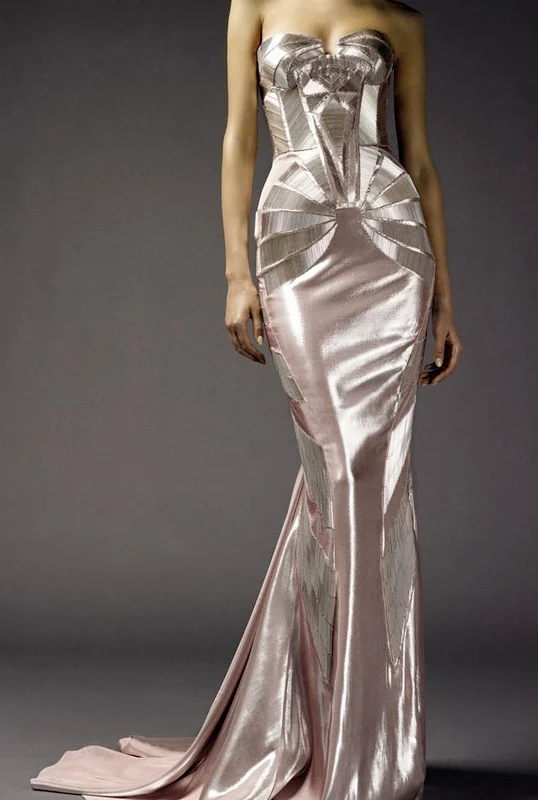
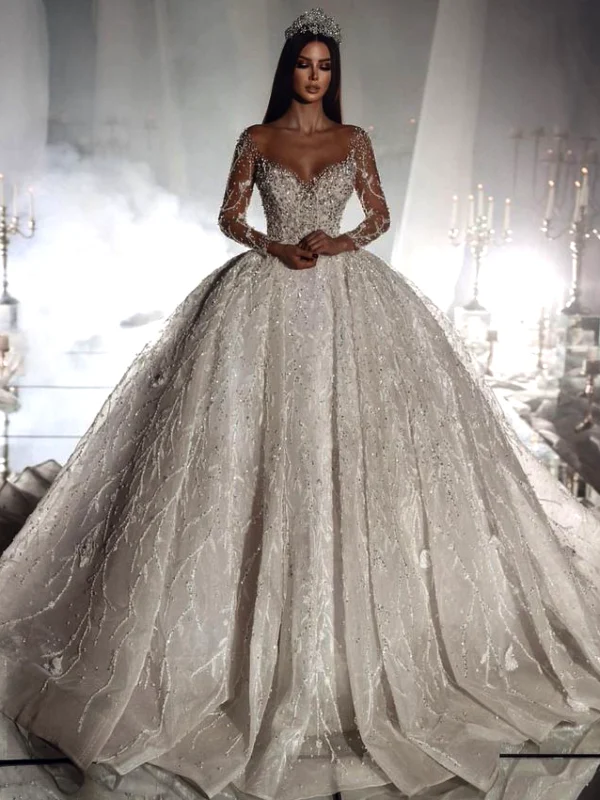
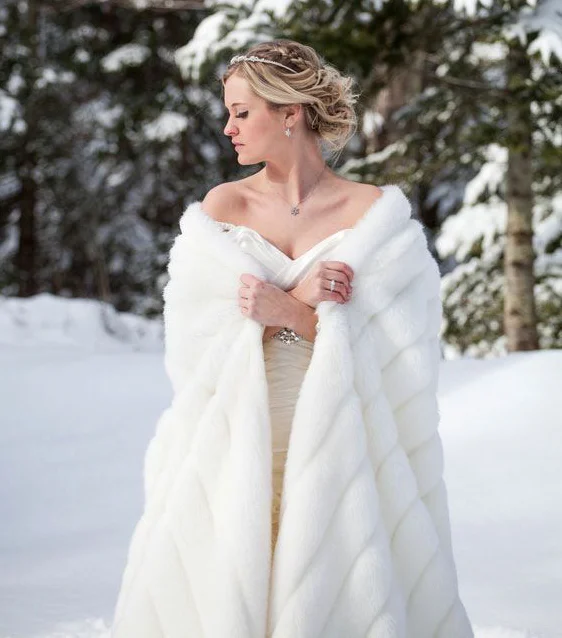
Assess a wedding dress with a detachable overskirt in both states actually offered. These six references show longer outside areas beside inner garments of different lengths, but none records removal or an opened fastening. Use the views to choose an effect, then have the function demonstrated on the particular product. The remaining garment, both lengths with your shoes and the components genuinely supplied belong to the same decision. An attractive transition at the waist cannot answer all those questions by itself.
1. What actually detaches on the wedding dress with a detachable overskirt?
Establish the exact component being offered first. Does the long outer layer actually detach, is it included with the dress or is a separate accessory being sold? An open front does not prove a removable connection. A visible waistline cannot explain how a layer attaches either. Have the construction explained on that actual product and request its intended states. Record the particular model and offered version rather than treating a general description as a complete component list.
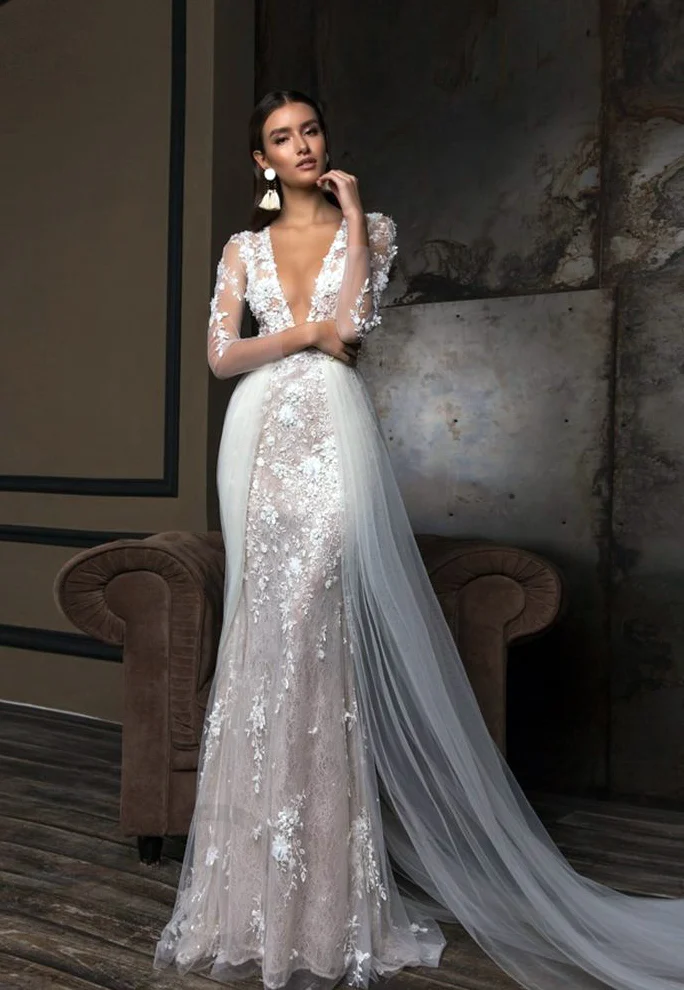
One explicitly identified manufacturer example is Lillian West 66223SK, which its maker calls a detachable overskirt. That information belongs to this accessory. It identifies none of the archive photographs and confirms no hidden fastening in them. The wedding dress with an overskirt comparison can develop the outside effect. Function remains a question for the item actually offered, even when a pictured layer closely resembles your preferred shape.
2. Which garment remains beneath the outer layer?
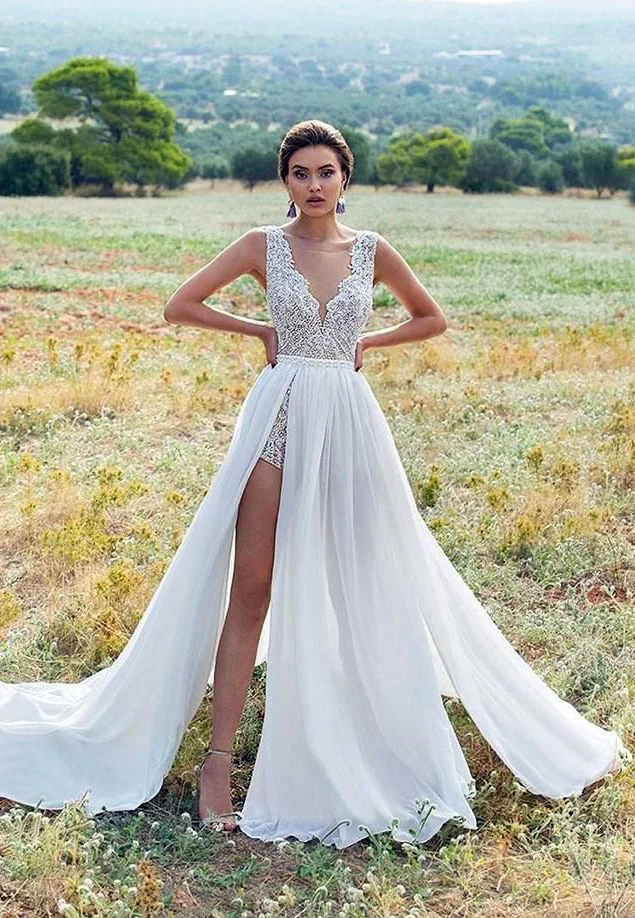
The more densely floral inner dress in the leading image continues down at length. A quieter outer area accompanies it at the side and rear. Other views show shorter decorated inner areas above the legs. They cannot establish the same short transformation for every model. The complete type of shorter inner garment is particularly uncertain in the field photograph. Identify it initially as a visible inner area until its actual form is established on a product. These are separate styling references rather than a documented change on one person wearing one dress.
Ask for complete front, side and matching rear views of your candidate in both intended states. Decide whether the remaining length and desired coverage suit the later part of your plans too. Assess more than one attractive section of exposed leg. An inner dress can remain long; a shorter one needs its own standing and seated assessment. The two-piece bridal outfit guide develops planning of individual components without equating a two-piece outfit automatically with removable skirt layers.
3. How do waist, bodice and outer layer work together?
The pictures offer different visible transitions. The sleeved reference joins a strongly patterned long inner dress with a quieter side surface. Another short sleeveless inner look has large outer ruffles. A higher floral neck area meets a narrow waist strip elsewhere. Choose the balance you want initially: quiet surface beside dense pattern, a distinct edge or a more active outside contour. Visible waist ornament is not automatically a functional fastening.
Have the real connection and its intended handling explained by the supplier. Assess the transition afterwards without hands in front and with fabric falling normally. A sideways-lifted outer area changes its width rather than simply supplying the unchanged state. Compare your own candidate with arms down, then add a deliberately held pose. That keeps one decorative border from deciding whether you like both complete silhouettes. Include intended jewellery after the unobstructed initial comparison.
4. Are both lengths assessed with your shoes?
Try the offered combination with intended shoes and underwear. Assess inner and outer hems separately. The longer layer cannot be the only basis for length if a different edge will remain visible later. References with open sandals and closed toes supply different views, not a particular heel height or suitable length for you. Your footwear remains part of the real fitting. Another model’s attractive hem cannot finish the assessment of your own garment.
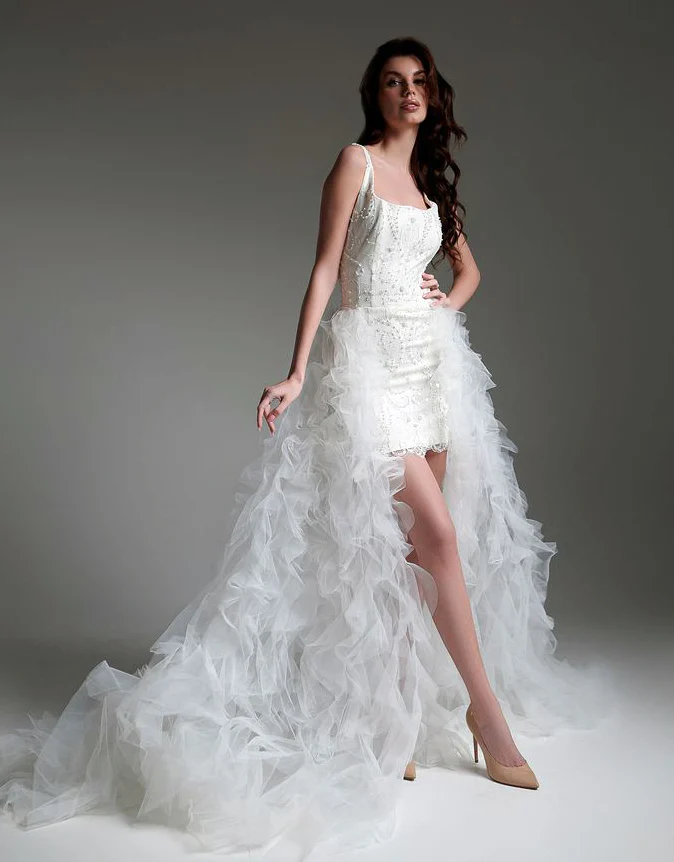
Walk, turn, sit and stand again as appropriate for the intended use. Assess the remaining inner area alongside the long rear fabric. Try a second combination separately if you want different shoes afterwards. Another height may change the visible length. Have specific alterations assessed on precisely the existing layers. Widely spread photographic fabric is neither a measurement nor promised alteration allowance. Even similarly coloured edges may require different work on the actual garment, so discuss both intended finishes together.
5. How does the intended change fit your plans?
Describe when you actually want to remove the outer layer. Have the intended process demonstrated on the real product and establish the help needed. Choose a suitable place and subsequent storage through that actual sequence. A photograph cannot promise a change in seconds. The number of visible pieces does not explain handling on a particular model either. A demonstration helps you ask which actions you would be expected to carry out yourself.
Use the bridal look change guide to plan the second state with shoes, jewellery and layers that remain. An arm partly conceals the front waist in the leading image, while hands hold outer borders apart in other photographs. Add an unobstructed view before deciding what remains visible after a change. Try the complete later outfit rather than only examining the place where one layer ends. Each state then receives its own deliberate styling decision.
6. Which components and work are actually agreed?
Record the selected dress, separate outer layer, confirmed function and corresponding versions. Establish explicitly which pieces are included and which work is intended for both states. The wedding dress buying guide connects fitting decisions with a specific offer. An accessory name cannot stand for a complete dress. Ask about the chosen order instead of importing another manufacturer’s component list. If you plan to use the combination again, establish which matching pieces should be kept together.
Have transport and storage explained for the real components. Textile care follows their own labels; GINETEX explains care symbols. That supplies no universal instruction for every fastening or decoration. Once outer layer, remaining garment and handling in both states are established, a photographic idea becomes a checkable offer. Choose through the actual interaction of your pieces instead of a supposed transformation in the picture. Return to the complete views of both states for the final comparison with your original intention.
Assess a wedding dress with a detachable overskirt in both confirmed states. Establish the remaining garment, both lengths and included pieces through the actual offer.
Frequently asked questions
Does an open long outer layer prove a detachable overskirt?
An open long outer layer does not prove removability. A wedding dress with a detachable overskirt needs its function explained and both states demonstrated on that exact product.
Does an overskirt offer automatically include the inner dress?
An overskirt offer may concern a separate accessory. Establish the particular included pieces and versions in writing for the wedding dress with a detachable overskirt.
Is assessing only the long outer layer with shoes sufficient?
A wedding dress with a detachable overskirt also needs its remaining inner hem assessed with intended shoes. Compare both actual states while standing and through planned movement.